India Sets Its Sights on Russian Coking Coal: A Strategic Move for Steel Supremacy
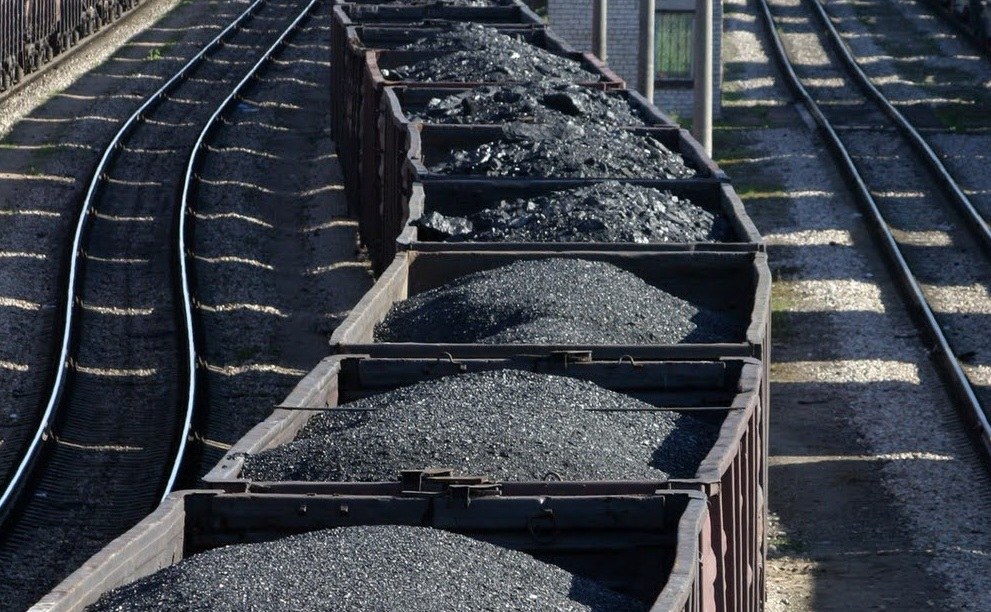
In the sprawling industrial heartlands of India, where the clang of steel echoes from dawn to dusk, a quiet but seismic shift is underway. For decades, the country’s steelmakers have looked outward for their most vital ingredient: coking coal. Now, they are turning their gaze toward the vast, snow covered expanses of Russia, not just as a buyer, but as a potential owner. Indian state controlled steelmakers are considering the acquisition of coking coal assets in Russia, a move that could reshape supply chains and fortify national resource security. This is a story of strategic hunger, economic leverage, and a bold pivot in the geopolitics of steelmaking.
Earlier this year, India designated coking coal as a critical and strategic mineral, a label that signals its indispensable role in the nation’s industrial future. Steel is the backbone of infrastructure, automotive manufacturing, and defense. Without a steady, affordable supply of high quality coking coal, India’s steel ambitions risk grinding to a halt. The country currently imports nearly 85 percent of its coking coal needs, predominantly from Australia, followed by the United States and Canada. Such heavy reliance on a handful of suppliers leaves India exposed to price volatility, logistical disruptions, and geopolitical pressures. The search for alternative sources is not just an economic necessity; it is a matter of national resilience.
The Critical Mineral Status
India’s decision to classify coking coal as a critical mineral was more than a bureaucratic exercise. It signaled a policy shift that prioritizes self sufficiency and diversification. The Ministry of Steel, backed by the Prime Minister’s office, has been actively scouting for overseas assets that can be acquired or partnered on. Russia, with its massive coking coal reserves in the Kuzbass region and beyond, has emerged as a prime candidate. For Moscow, the timing is opportune. Sanctions and trade realignments following the Ukraine conflict have forced Russia to seek new markets for its commodities. India, which has maintained a neutral stance, is a natural partner. The potential deal could involve direct purchase of mines, long term leases, or joint ventures with Russian mining giants like Mechel, EVRAZ, or the Siberian Coal Energy Company.
Russia’s Vast Reserves
Russia holds some of the world’s largest untapped coking coal reserves, estimated at over 40 billion tonnes. The quality of Russian coking coal is generally high, with low ash and sulfur content, making it suitable for India’s blast furnaces. However, logistics have been a stumbling block. The distance from Siberian mines to Indian ports is immense, and existing rail and port infrastructure in Russia’s Far East is underdeveloped. But India’s interest goes beyond mere coal buying. By acquiring assets, Indian companies would gain control over the entire supply chain from mine to ship. This could involve investing in new railways, upgrades to the BAM and Trans Siberian lines, and development of ports like Vanino or Kozmino. The strategic calculus includes not only coal but also a deeper energy partnership. India already imports crude oil and LNG from Russia, and coking coal would add another layer to this symbiotic relationship.
Why Coking Coal Matters
To understand the significance of this move, one must appreciate what coking coal does. Unlike thermal coal used for power generation, coking coal or metallurgical coal is essential for steelmaking. It is heated in coke ovens to produce coke, which then serves as both a fuel and a reducing agent in blast furnaces. There is no scalable substitute for coking coal in the conventional blast furnace route, which still accounts for over 70 percent of global steel production. India, the world’s second largest steel producer, is on a trajectory to nearly double its capacity to 300 million tonnes per annum by 2030. This growth demands an ever increasing supply of coking coal. Domestic reserves are limited and often of lower quality, with high ash content that raises costs. Therefore, securing foreign assets is not optional; it is imperative. The Russian option offers a reliable, long term source that could reduce India’s vulnerability to supply shocks from the Pacific market.
Geopolitical and Economic Implications
This prospective acquisition is not happening in a vacuum. It is part of a broader realignment of global commodity flows. Western sanctions have pushed Russia to deepen ties with Asia, particularly China and India. For India, engaging with Russia on coking coal is a balancing act. On one hand, it strengthens bilateral ties and provides critical resources. On the other, it risks straining relations with the United States and other allies who view Russia as a pariah. Yet, India’s pragmatic foreign policy has long prioritized national interest over ideological alignment. The deal could also create a counterweight to China’s dominance in global commodity markets. China is already the largest consumer of coking coal and has been aggressively acquiring overseas mines. By moving into Russia, India can secure a foothold in a region where China has traditionally held sway. Economically, owning assets could shield Indian steelmakers from the wild price swings seen in recent years. For instance, coking coal prices surged to over $600 per tonne in 2022, before crashing to below $200. Such volatility wreaks havoc on corporate planning. Long term ownership of mines would provide price stability and cost advantages.
Challenges Ahead
While the opportunity is tantalizing, the path is fraught with challenges. The first is financial. Acquiring and developing mines in remote Siberia requires billions of dollars in investment. Indian state owned enterprises like SAIL, NMDC, and Coal India would need to pool resources or form consortia. The second challenge is geopolitical. Any deal with Russia must navigate a maze of sanctions, banking restrictions, and insurance hurdles. Using yuan or rupees for payment might be explored, but the dollar centric global financial system poses obstacles. Third, logistical infrastructure is severely lacking. The Russian Far East is a harsh environment with extreme cold, short shipping seasons, and limited port capacity. Indian companies would need to invest in rail rolling stock, port terminals, and even ice breaking vessels. Fourth, there is the environmental angle. India is under pressure to decarbonize its steel industry, and investing in coal assets may seem counterproductive. However, the transition to green steel using hydrogen based direct reduction is still decades away at scale. In the interim, coking coal remains essential, and Indian policymakers argue that securing cleaner, high quality Russian coal is actually better for emissions than using lower grade domestic or Indonesian coal.

Despite these hurdles, the momentum is building. High level delegations have visited Moscow and Siberia in recent months. The Indian embassy in Russia has been facilitating business meetings. Industry sources suggest that initial memoranda of understanding could be signed within the next year. If successful, this would mark a historic shift: India evolving from a passive buyer to an active participant in global mining. It would mirror similar strategies by Chinese and Japanese steelmakers who have long owned stakes in Australian and Brazilian mines. For Russia, the deal would bring much needed foreign investment and a loyal customer. For India, it would mean energy security, industrial growth, and a stronger voice in global commodity markets.
Conclusion: A New Chapter in Resource Security
The story of India’s steelmaking prowess is being written in the frozen landscapes of Siberia. What began as a simple designation of a critical mineral is now blossoming into a full fledged quest for ownership and control. The implications extend far beyond steel. They touch upon diplomacy, energy, infrastructure, and the very architecture of global trade. In a world of uncertainty, the nation that controls its own raw materials holds the keys to its future. India’s move to acquire Russian coking coal assets is not just a business deal; it is a declaration of strategic independence. As the coking coal flows from the east, so too will India’s confidence in its industrial destiny. The journey is long and the costs high, but for a nation determined to become a steel superpower, there is no turning back.