The Fading Fortresses: How Global Upheavals Are Rendering US Military Bases Obsolete
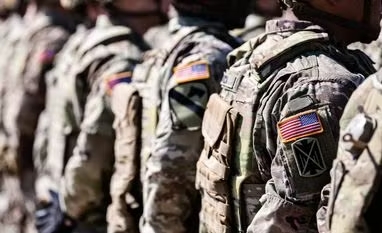
The sun sets over a dusty airstrip in the Middle East, casting long shadows over rows of fighter jets and armored vehicles. For decades, this US military base has been a symbol of unwavering power, a steadfast beacon of American influence in a turbulent region. But today, the air is thick with uncertainty. The recent war in Iran and rising tensions in Greenland have sparked a seismic shift in global politics, exposing a harsh truth: the vast network of US international military bases, once the backbone of global security, is becoming an anachronism. In this new era, where alliances are fluid and threats are multifaceted, these fortified outposts may no longer guarantee safety or supremacy. They stand as relics of a bygone order, struggling to find relevance in a world that has moved on. This is the story of how the very foundations of American military strategy are being challenged, and what it means for the future of international relations.

The Legacy of Empire: A Network of Bases
To understand the current predicament, we must journey back to the aftermath of World War II. As Europe lay in ruins, the United States emerged as a superpower, embarking on a mission to contain communism and project its influence worldwide. This led to the establishment of hundreds of military bases across the globe, from Germany and Japan to the Philippines and Diego Garcia. These bases were not merely garrisons; they were strategic chess pieces, enabling rapid deployment, intelligence gathering, and economic leverage. For over half a century, this network served as the linchpin of Pax Americana, ensuring that American interests were protected and its enemies deterred. The Cold War justified their existence, and the post-9/11 wars reinforced their necessity. But the world has evolved, and the assumptions that underpinned this expansive footprint have begun to crumble. The unipolar moment has faded, giving way to a multipolar landscape where new powers rise and old grievances resurface.
A World in Flux: The New International Reality
The 21st century has ushered in an era of profound transformation. Globalization, digital connectivity, and climate change have redrawn the lines of power and vulnerability. Nations are no longer passive hosts to foreign troops; they are assertive actors demanding sovereignty and respect. The rise of China, the resurgence of Russia, and the growing influence of regional blocs like BRICS have created a competitive arena where military might alone cannot secure dominance. Economic interdependence means that conflicts have complex consequences, and soft power often outweighs hard power. In this context, large, permanent military bases can be seen as provocative rather than protective. They symbolize imposition, sparking local resentment and becoming targets for hybrid warfare, including cyberattacks and disinformation campaigns. The new international reality is one of fluidity, where alliances shift like sand and non-state actors wield significant influence. US bases, designed for conventional wars, are ill-equipped to handle these nebulous challenges.

Iran Aftermath: Redrawing the Strategic Map
The recent war in Iran has been a catalyst for change, exposing the vulnerabilities of US military presence in the Middle East. Although details of the conflict remain closely guarded, its aftermath has seen a dramatic realignment of regional politics. Iran, despite suffering significant damage, has emerged with strengthened ties to neighboring countries and global powers wary of American intervention. The presence of US bases in countries like Iraq, Qatar, and Bahrain has become a flashpoint, with host governments facing domestic pressure to reconsider their agreements. Attacks on these facilities have increased, employing drones and missiles that bypass traditional defenses. Moreover, the war has accelerated a pivot away from US dependence, as nations seek to diversify their security partnerships. The strategic map of the Middle East is being redrawn, with US bases appearing as stagnant monuments to a conflict-ridden past rather than assets for a peaceful future. This shift forces a reckoning: if bases in one of the most militarized regions can become liabilities, what does that say about their global viability?
Greenland’s Cold Front: Sovereignty and Security
Far from the deserts of the Middle East, another crisis is unfolding in the icy expanses of Greenland. Long considered a strategic asset due to its location between North America and Europe, Greenland has become a focal point of geopolitical tension. As climate change opens up new shipping routes and access to rare minerals, global powers are vying for influence. The United States maintains a base at Thule, but recent diplomatic spats with Denmark, which oversees Greenland, have highlighted the fragility of such arrangements. Greenlanders are increasingly asserting their right to self-determination, questioning the presence of foreign troops on their soil. This sentiment is echoed worldwide, from Okinawa to Germany, where communities protest against the environmental and social impacts of bases. The tensions in Greenland underscore a broader trend: the erosion of the permissive environment that allowed US bases to thrive. In an age where sovereignty is paramount, hosting a foreign military is a contentious political decision, not a default position.
Anachronism in Action: Why Bases No Longer Fit
The term “anachronism” perfectly captures the dilemma of US bases. They are vestiges of a time when power was projected through physical presence and territorial control. Today, however, warfare and influence operate in different dimensions. Cyber domains, space, and economic networks are the new battlegrounds, where fixed bases offer little advantage. The cost of maintaining these facilities is staggering, running into tens of billions annually, funds that could be redirected toward emerging technologies like artificial intelligence and hypersonic weapons. Furthermore, the military footprint often undermines diplomatic goals, fueling anti-American sentiment and complicating partnerships. The new international reality demands agility, stealth, and cooperation qualities that large, permanent bases inherently lack. Instead of being force multipliers, they can become anchors, dragging down strategic flexibility and inviting escalation. This mismatch between old infrastructure and new challenges is at the heart of the threat these bases now face.
The Domino Effect: Regional Responses and Alliances
As the vulnerability of US bases becomes apparent, regional actors are adjusting their strategies. Countries like China and Russia are offering alternative security models, emphasizing economic cooperation and non-interference. The Shanghai Cooperation Organization and BRICS are gaining traction as forums for military and political dialogue outside Western frameworks. Nations hosting US bases are exploring these options, negotiating reduced presence or increased rents. In Southeast Asia, for example, the Philippines has oscillated between embracing and distancing itself from US forces, reflecting a broader hedging strategy. This domino effect could accelerate, leading to a cascade of base closures or downgrades. Such a scenario would not only diminish US operational reach but also signal a decline in its global leadership. The alliances that underpinned the post-war order are being tested, and military bases are the most visible symbols of that order. Their fate will influence how other powers perceive American commitment and capability.
Future Forward: Alternatives and Adaptations
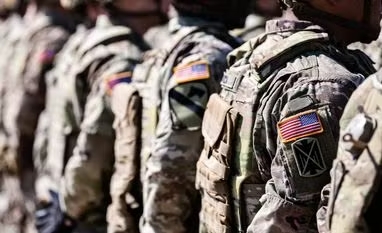
What comes next? The threat to US bases is not necessarily a prophecy of doom but a call for innovation. The Pentagon is already exploring concepts like expeditionary bases, rotational deployments, and smaller, dispersed facilities that are less conspicuous and more resilient. Investing in partnerships with local forces can enhance security without the baggage of permanent occupation. Additionally, leveraging technology for remote surveillance and strike capabilities can reduce the need for physical presence in hostile regions. Diplomacy must take center stage, with a focus on building coalitions based on shared interests rather than coerced hosting agreements. The goal should be to create a flexible, adaptive defense posture that aligns with the multipolar world. This transition will be fraught with challenges, but it is essential for maintaining relevance. The anachronism of today can become the catalyst for tomorrow’s strategy, if met with foresight and courage.
Conclusion: Embracing the Inevitable Shift
The twilight is gathering around US international military bases. From the sands of Iran to the glaciers of Greenland, the forces of change are relentless, exposing the incongruity of a Cold War-era infrastructure in a 21st-century world. These bases, once symbols of stability, now represent a precarious dependence on an outdated model of power. The new international reality is one of complexity and interconnectivity, where military might must be nuanced and sustainable. As host nations reassess their priorities and adversaries exploit vulnerabilities, the United States stands at a crossroads. It can cling to the past, pouring resources into fortifying anachronisms, or it can pioneer a new approach one that prioritizes agility, partnership, and innovation. The threat to these bases is not merely a military challenge; it is a strategic opportunity to redefine global engagement. In letting go of what no longer serves, America might just find a path to enduring influence in an ever-changing world.