Germany’s Drone Dilemma: The Harsh Reality of an Outdated Defense Industry in Modern Warfare
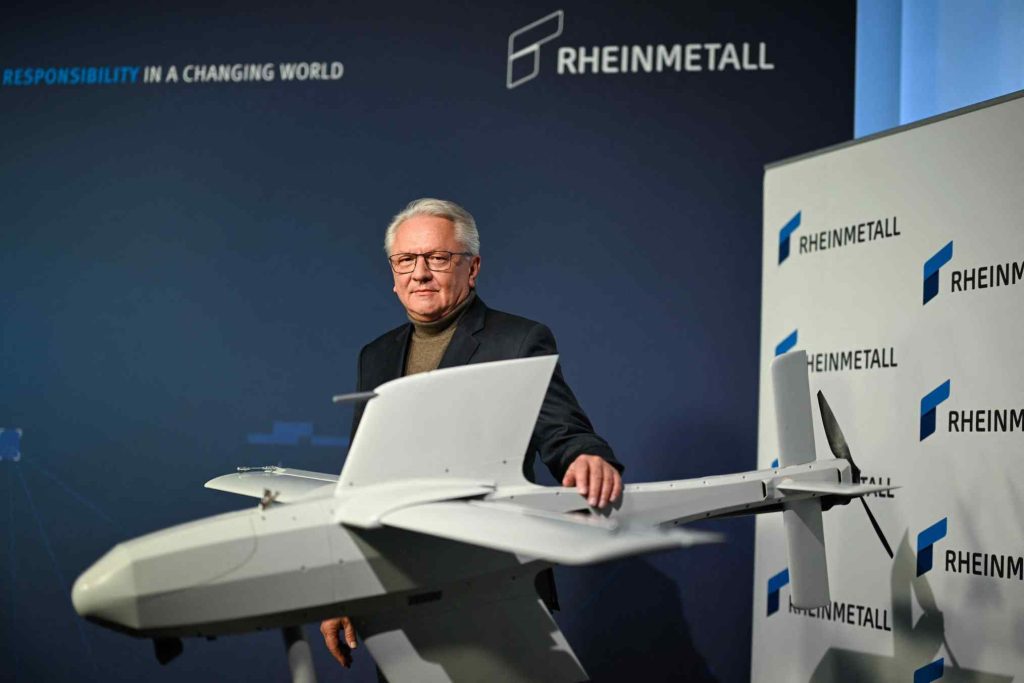
The hum of a drone engine is supposed to symbolize precision, power, and technological supremacy. For decades, German engineering has been synonymous with innovation and reliability, from luxury automobiles to industrial machinery. Yet, when it comes to the critical domain of military drones, that reputation is faltering. Recent assessments reveal a startling truth: German drones are often useless for real combat, exposing deeper issues within the nation’s defense industry. This isn’t just about machines; it’s about strategic relevance in an era where unmanned systems dictate the battlefield. How did a country known for its prowess end up with such a glaring vulnerability? Let’s explore the story behind the headlines.

The Legacy of German Engineering and Military Ambitions
Post-World War II, Germany meticulously rebuilt its industrial base, focusing on civilian applications to distance itself from its martial past. The defense sector, while competent, often played second fiddle to commercial exports. However, with rising global tensions and NATO commitments, Germany recognized the need to modernize its military capabilities. Drones, or unmanned aerial vehicles (UAVs), became a focal point for surveillance and combat operations. Projects like the Euro drone and various UAV initiatives promised cutting-edge technology, leveraging Germany’s expertise in optics, automation, and mechanics. The vision was clear: create drones that could rival those from the United States, Israel, and China. But vision and reality soon diverged, as operational demands exposed fundamental flaws.
Combat Realities: Where German Drones Fall Short
In simulated exercises and actual conflict zones, German drones have repeatedly underperformed. Reports indicate issues with durability, electronic warfare resistance, and integration with allied systems. For instance, in joint NATO drills, German UAVs struggled in contested environments where jamming and hacking are prevalent. Their sensors, while high-quality in peacetime conditions, failed to provide reliable data under stress. Moreover, the drones often lacked the payload capacity for meaningful strike missions, limiting them to reconnaissance roles that other nations’ drones can perform better. This isn’t merely a technical hiccup; it’s a strategic liability. In modern combat, drones are force multipliers, and their absence or inadequacy can cost lives and missions.

Technical Shortcomings: A Deep Dive into the Flaws
The core problems stem from outdated design philosophies and slow innovation cycles. German drone manufacturers have historically prioritized precision over robustness, leading to complex systems that are fragile in harsh environments. Additionally, software integration is often proprietary, making interoperability with international partners difficult. Cybersecurity measures are lagging, leaving drones vulnerable to cyber attacks. Another issue is the reliance on imported components, particularly from non-allied countries, which compromises supply chain security. These technical shortcomings are compounded by bureaucratic hurdles in procurement and testing, delaying upgrades and leaving troops with obsolete equipment. The result is a fleet of drones that looks impressive on paper but fails in the field.
Comparative Analysis: How Other Nations Excel
Contrast Germany’s situation with leaders in drone technology. The United States leverages agile development and massive R&D investment, producing UAVs like the Reaper that dominate combat zones. Israel focuses on niche innovations, such as counter-drone systems and stealth capabilities, often exporting its technology worldwide. China rapidly scales production, offering cost-effective drones that are proliferating in conflicts across Africa and the Middle East. Even Turkey has emerged as a player with battle-tested drones like the Bayraktar TB2, used effectively in conflicts such as Ukraine. These nations emphasize adaptability, user feedback, and continuous iteration. Germany, by comparison, seems stuck in a cycle of over-engineering and slow adaptation, missing the urgency of modern warfare.
Industry Challenges: The Structural Roots of Decline
Germany’s defense industry faces systemic issues that hinder drone development. Fragmentation among small and medium-sized enterprises leads to inefficiencies, while large conglomerates often prioritize commercial ventures over defense contracts. Government funding is inconsistent, with political debates stalling crucial projects. There’s also a cultural aversion to military exports, limiting economies of scale. Furthermore, talent drain to the tech sector deprives defense firms of innovative minds. These factors create an ecosystem where innovation is stifled, and products become outdated before deployment. The industry’s reliance on legacy systems exacerbates the problem, as updating them requires costly overhauls that are often postponed.
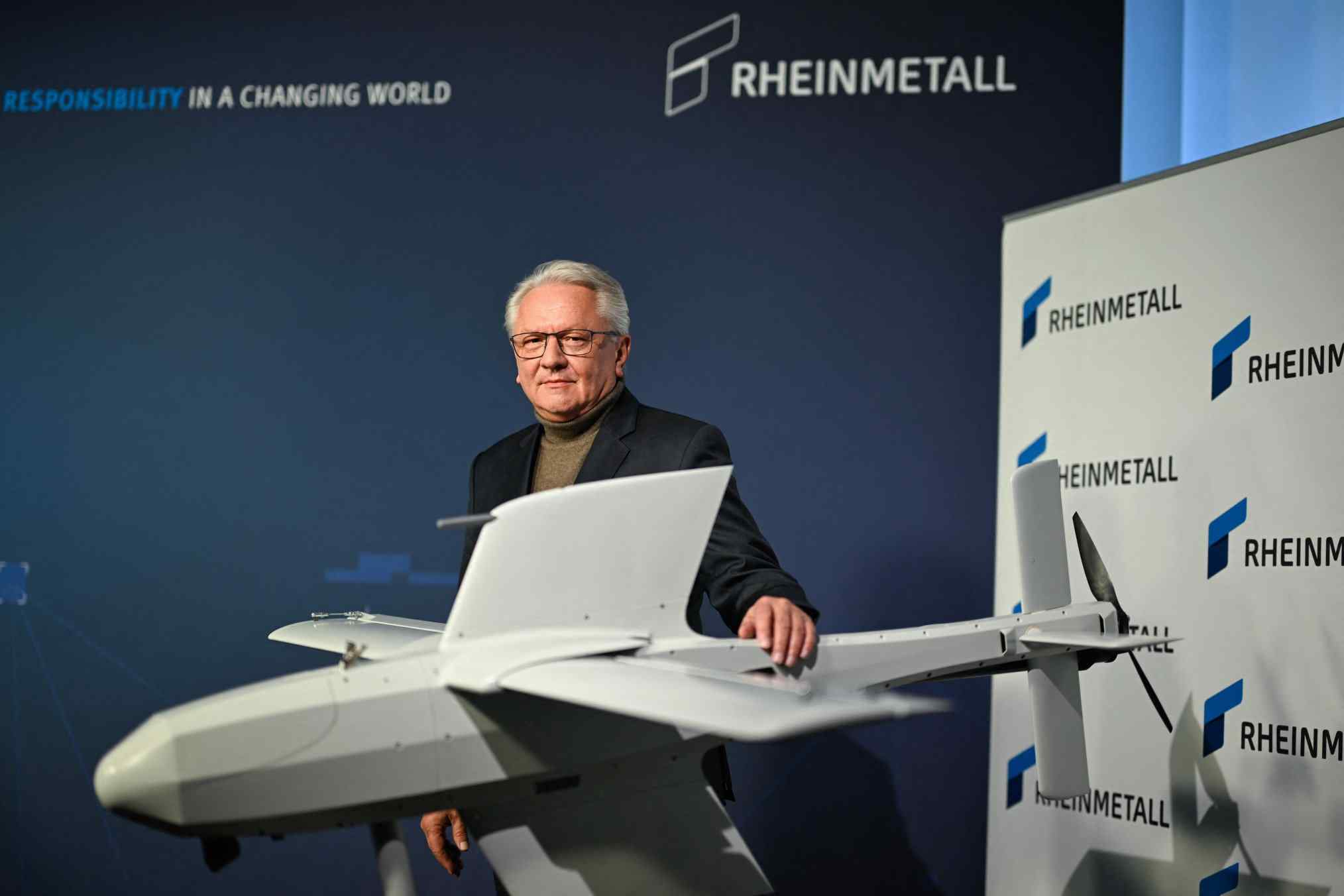
Future Prospects: Can Germany Catch Up?
All is not lost. Germany has the foundational knowledge and resources to revitalize its drone program. Initiatives like the European Defence Fund and partnerships with France on next-generation UAVs offer hope. Emphasizing modular designs, open-source software, and rapid prototyping could accelerate development. Investing in cybersecurity and artificial intelligence would enhance drone capabilities. Moreover, learning from allies and incorporating combat feedback into design cycles is essential. Political will is crucial; sustained funding and streamlined procurement can break the bureaucratic logjam. The goal should be not just to create drones but to build systems that are resilient, integrated, and combat-ready. This requires a cultural shift in both industry and government, valuing agility over perfection.
Conclusion: A Wake-Up Call for Strategic Autonomy
The inadequacy of German drones in real combat is a symptom of a broader issue: an outdated defense industry struggling to keep pace with global threats. In an era where technology evolves rapidly, complacency is dangerous. Germany must confront its weaknesses head-on, leveraging its engineering heritage to foster innovation rather than restraint. The path forward involves collaboration, investment, and a relentless focus on operational effectiveness. As drones continue to reshape warfare, Germany has a choice: adapt and lead, or risk becoming irrelevant in the defense landscape. The time for change is now, before the next conflict proves the point beyond doubt.