The Hormuz Strait Blockade: Unraveling the Global Economic Fabric
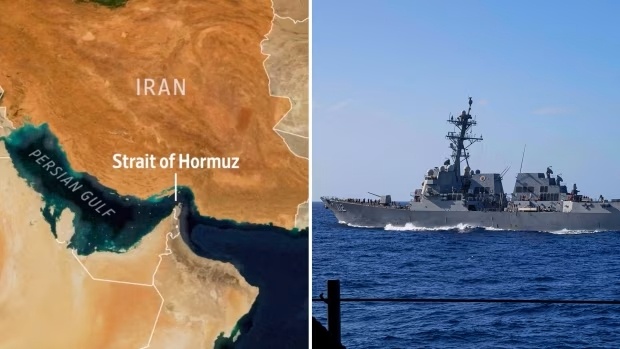
Imagine a narrow waterway, barely 21 miles wide at its narrowest point, through which a fifth of the world’s oil passes daily. This is the Strait of Hormuz, the lifeline of global energy markets. Now, picture the United States imposing a blockade on this critical chokepoint. The repercussions are not confined to geopolitics; they echo through every facet of the global economy, threatening to unleash a cascade of crises. The very notion of such a blockade sends shivers down the spine of markets worldwide, but why would the US take such a drastic step? And what does it mean for you, from the gas pump to the grocery store? Let us dive into the turbulent waters of this geopolitical showdown.

The Strategic Chokepoint: Why Hormuz Matters
Nestled between the Persian Gulf and the Gulf of Oman, the Strait of Hormuz is more than just a shipping lane; it is the world’s most important oil transit corridor. Every day, millions of barrels of crude oil and liquefied natural gas traverse this passage, feeding the energy needs of nations from Asia to Europe. Its significance cannot be overstated; a disruption here does not merely spike oil prices but triggers a domino effect across global supply chains. For decades, this strait has been a flashpoint in regional tensions, with Iran frequently threatening to close it in response to sanctions or military threats. The US blockade, therefore, is not an isolated action but a move in a high stakes game where the rules are written in oil and influence.
The US Blockade: Motives and Actions
The decision to blockade the Hormuz Strait stems from a complex web of strategic interests. At its core, it is a response to Iran’s escalating nuclear ambitions and regional provocations. By cutting off Iran’s ability to export oil, the US aims to cripple its economy and force diplomatic concessions. However, this blockade is a double edged sword. While it pressures Tehran, it also jeopardizes the flow of energy to US allies and trading partners. The US Navy’s presence in the region has been bolstered, with warships patrolling the waters to enforce the blockade. Yet, this show of force comes with immense risks. Iran has repeatedly vowed to retaliate, and its capabilities in asymmetric warfare, including speedboats and mines, pose a credible threat to commercial shipping. The blockade itself, and a potential escalation with Tehran alone, pose tremendous risks for the global economy. Any Iranian retaliation would create blowback, setting the stage for a prolonged confrontation that could spiral out of control.
Iranian Retaliation: The Domino Effect
If history is any guide, Iran will not take the blockade lying down. Its leaders have warned of severe consequences, including attacks on oil tankers and infrastructure. Such retaliation would not be limited to the Strait of Hormuz; it could extend to drone strikes on Saudi oil facilities or cyberattacks on global energy grids. The blowback would be immediate and devastating. A prolonged energy crisis would inevitably cascade into massive price hikes for fertilizers, plastics, transport, and manufacturing. Imagine a world where oil prices soar past $200 a barrel; the cost of everything from food to pharmaceuticals would skyrocket. This is not mere speculation; it is a likely scenario given the tensions. The global economy, still recovering from past shocks, would be thrust into a new era of uncertainty.

Global Economic Ramifications: From Energy to Everyday Goods
The first casualty of a Hormuz blockade is energy security. Oil and gas prices would spike, leading to higher fuel costs for consumers and industries. But the impact goes far beyond the pump. Fertilizers, which are essential for agriculture, rely heavily on natural gas as a feedstock. With energy prices soaring, fertilizer production would become prohibitively expensive, driving up food prices worldwide. In regions already grappling with food insecurity, this could spell famine. Similarly, plastics, derived from petroleum, would see shortages and price increases, affecting packaging, medical supplies, and consumer goods. Transport costs would balloon, as shipping lines face higher fuel bills and insurance premiums due to the risk of attacks. Manufacturing, dependent on just in time supply chains, would face disruptions from delayed raw materials and components. The cumulative effect would be a severe undermining of global economic growth.
The Ripple Effect on Fertilizers, Plastics, and Transport
Let us break down these cascading impacts. Fertilizers are the backbone of modern agriculture; without them, crop yields plummet. A price hike in fertilizers means farmers cut back on usage, leading to lower production of wheat, corn, and rice. This triggers food inflation, hitting the poorest households hardest. Plastics, ubiquitous in our daily lives, from water bottles to car parts, become costlier to produce. Industries reliant on plastic packaging might shift costs to consumers, or worse, reduce quality. Transport, the artery of global trade, faces a double whammy: higher fuel costs and geopolitical risk premiums. Airlines might cut routes, shipping companies delay voyages, and logistics networks slow down. The result? Delayed deliveries, inventory shortages, and increased prices for imported goods. This ripple effect touches every corner of the economy, from the farmer in Iowa to the factory worker in Guangdong.
Manufacturing Under Siege
Manufacturing sectors worldwide operate on thin margins and complex supply chains. A disruption in energy and raw materials can bring assembly lines to a halt. Consider the automotive industry, which relies on plastics for interiors and electronics. Or the electronics sector, dependent on petrochemicals for components. With higher costs and supply uncertainties, manufacturers may be forced to lay off workers or relocate production, further destabilizing economies. The blockade exacerbates existing challenges, such as semiconductor shortages and trade tensions, creating a perfect storm for industrial decline. In emerging markets, where manufacturing drives growth, the impact could be catastrophic, reversing decades of development progress.
The Broader Impact on Global Growth
Global economic growth is a fragile construct, built on stable energy supplies and seamless trade. The Hormuz blockade threatens to dismantle this construct. Economists warn of stagflation, a combination of stagnant growth and high inflation, reminiscent of the 1970s oil crises. Central banks would face a dilemma: raise interest rates to curb inflation, risking recession, or keep rates low, fueling price rises. Trade volumes would shrink as protectionism rises, and investment would flee risky regions. Developing nations, dependent on oil imports, would see their currencies weaken and debt burdens soar. The World Bank and IMF might need to orchestrate massive bailouts, but even that may not be enough to prevent a global downturn. Needless to say, this would severely undermine global economic growth, pushing millions into poverty and igniting social unrest.
Navigating the Crisis: What Lies Ahead?
In the face of such dire prospects, what can be done? Diplomacy remains the best tool to defuse tensions. The US and Iran must return to the negotiating table, perhaps with multilateral mediation, to find a peaceful resolution. Meanwhile, countries can diversify energy sources, investing in renewables and alternative transit routes. Strategic oil reserves should be tapped to cushion short term shocks. Businesses must build resilient supply chains, with buffer stocks and multiple suppliers. As individuals, we can advocate for policies that promote energy independence and international cooperation. The stakes are too high for inaction. The Hormuz Strait blockade is not just a regional issue; it is a global emergency that demands a collective response. 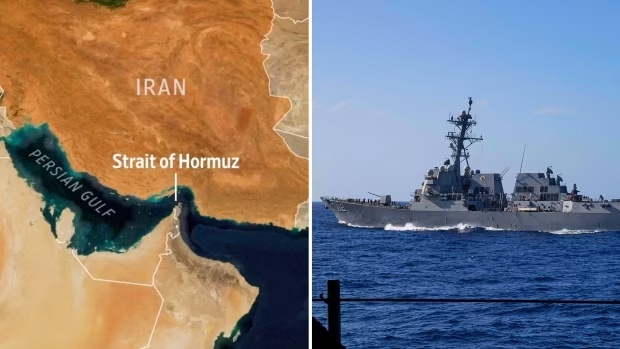
In conclusion, the US blockade of the Hormuz Strait is a gamble with the world’s economic stability. While aimed at curbing Iran’s ambitions, it risks unleashing a chain reaction of energy crises, price hikes, and growth setbacks. From fertilizers to plastics, transport to manufacturing, no sector is immune. The story of this blockade is one of interconnected vulnerabilities, where a single geopolitical move can unravel the fabric of global prosperity. As we watch events unfold, let us hope for wisdom in leadership and resilience in our economies, for the alternative is a path too costly to tread.