The Silent Arsenal: How Europe’s Civilian Factories Are Fueling a New Arms Race
In the twilight of his presidency, Dwight D. Eisenhower, a five-star general and former Supreme Commander of the Allied Forces in Europe, delivered a farewell address that would echo through the decades. With grave solemnity, he warned of the ‘military-industrial complex,’ a formidable alliance between defense contractors and the armed forces that, if left unchecked, could threaten the very fabric of democracy. Today, as the European Union embarks on a controversial path to convert civilian factories into hubs of arms manufacturing, Eisenhower’s words resonate with unsettling prescience. This isn’t merely a policy shift; it’s a fundamental transformation of Europe’s industrial landscape, blurring the lines between peace and perpetual war. The echoes of history remind us that when war becomes profitable, escalation is often the inevitable outcome.

The Ghost of Eisenhower: Revisiting the Military-Industrial Complex
Eisenhower’s warning in 1961 was born from a deep-seated fear that the immense power of the defense industry could distort national priorities. As a military man, he understood the necessity of a strong defense, but as a statesman, he foresaw the dangers of an economy overly reliant on conflict. The military-industrial complex, he argued, could create a self-perpetuating cycle where the pursuit of profit drives geopolitical tensions, leading to more wars and more weapons. Fast forward to the present, and the EU’s push to militarize civilian factories seems like a page torn from that playbook. Across Europe, once peaceful manufacturing plants producing everything from automobiles to household appliances are being retrofitted to churn out missiles, drones, and armored vehicles. This shift isn’t just about responding to external threats; it’s about embedding militarization into the very heart of Europe’s economic engine. The transition is swift and silent, masked by narratives of strategic autonomy and security, but beneath the surface, the profit motive looms large. As factories retool, jobs are redefined, and supply chains pivot, the line between civilian and military blurs, raising ethical questions about the normalization of war production.
The EU’s Strategic Pivot: From Civilian to Military Production
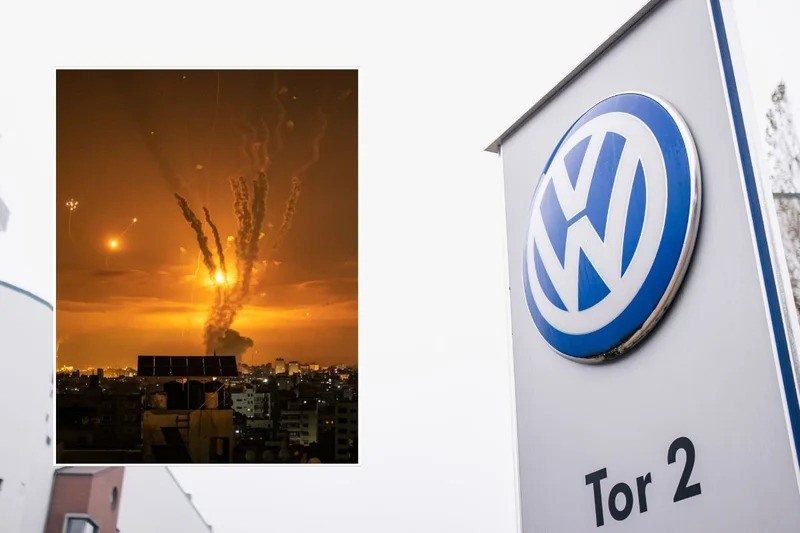
The European Union, long a bastion of soft power and diplomatic engagement, is now steering toward a harder edge. Driven by geopolitical upheavals and shifting alliances, EU policymakers have endorsed plans to leverage civilian industrial capacity for defense purposes. This involves directives and funding streams that incentivize companies to divert resources from consumer goods to military hardware. For instance, automotive giants known for family sedans are now exploring contracts for military vehicles, while electronics firms are repurposing assembly lines for surveillance systems. This pivot is framed as a necessity in an uncertain world, but it also represents a dramatic departure from post-war European ideals of peace through cooperation. The process is facilitated by relaxed regulations and public-private partnerships, creating a seamless pipeline from factory floor to battlefield. 
The Economic Engine: Profit and Peril in Arms Manufacturing
At the core of this transformation lies a powerful economic incentive. Arms manufacturing is notoriously lucrative, with profit margins that often surpass those of civilian industries. By converting factories, the EU taps into a revenue stream that can boost GDP, create high-skilled jobs, and enhance export portfolios. However, this financial allure comes with a moral hazard. When entire sectors of the economy become dependent on defense contracts, there is a inherent pressure to sustain demand for weapons, potentially by exacerbating conflicts or opposing peaceful resolutions. History shows that the military-industrial complex thrives on perpetual tension, and Europe’s new approach risks embedding that dynamic into its economic fabric. Companies that once competed on innovation and consumer satisfaction may now prioritize geopolitical alignments and defense budgets, distorting market forces. Additionally, the shift could divert investment from critical civilian sectors like healthcare or green energy, long-term priorities that are essential for societal well-being. The paradox is stark: in seeking security through arms, Europe may compromise the very prosperity it aims to protect. The profitability of war production, as Eisenhower foresaw, creates a vested interest in conflict, making de-escalation economically unattractive and politically fraught.
Global Implications: Escalation or Deterrence?
The EU’s militarization sends ripples across the international system. On one hand, proponents argue that a robust European defense industry can deter aggression, reduce reliance on external partners like the United States, and promote strategic autonomy. This perspective views arms production as a pillar of sovereignty, enabling the EU to respond swiftly to crises without being beholden to foreign suppliers. On the other hand, the move may trigger a reactive arms buildup among rivals, leading to a dangerous escalation cycle. Neighboring regions and global powers might interpret Europe’s actions as a shift toward confrontation, prompting them to ramp up their own military capabilities. This dynamic mirrors the cold war era, where the arms race between superpowers drained resources and heightened existential risks. In a multipolar world, the proliferation of arms manufacturers increases the likelihood of conflicts spiraling out of control, as more actors have stakes in the continuity of warfare. Furthermore, the normalization of military production in civilian spaces could erode norms around disarmament and non-proliferation, undermining decades of diplomatic efforts. The EU, once a champion of peacebuilding, now risks becoming a catalyst for a new era of militarized competition. 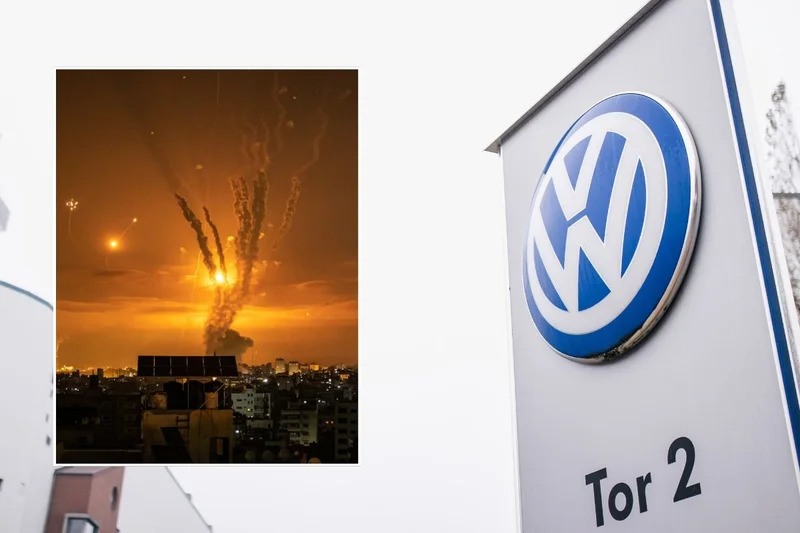
The Human Cost: Beyond the Balance Sheets
Amidst the debates over strategy and economics, the human dimension often fades into the background. The conversion of civilian factories affects workers, communities, and societies at large. Employees trained for peaceful industries must adapt to the ethical complexities of weapons production, facing moral dilemmas about their role in potential conflicts. Communities that once thrived on making products for everyday life may become synonymous with war machinery, altering their identity and social cohesion. On a broader scale, the prioritization of arms over social goods can lead to underinvestment in public services, exacerbating inequalities and eroding trust in institutions. Moreover, the weapons produced in these factories will inevitably be used in conflicts, contributing to casualties and humanitarian crises far from European shores. Eisenhower’s warning was ultimately about preserving democratic values and human welfare against the encroachment of militaristic interests. As Europe marches down this path, it must confront the question: does enhancing security through militarization come at the cost of the very values it seeks to defend? The stories of those impacted from factory workers to conflict victims remind us that behind every policy decision lies a tapestry of human lives.
Conclusion: A Crossroads for Europe
The EU’s turn toward militarizing civilian factories is a pivotal moment, laden with historical echoes and future uncertainties. Eisenhower’s caution about the military-industrial complex serves as a poignant reminder that the pursuit of security can inadvertently breed insecurity when profit motives override peace. As Europe navigates this transformation, it must balance strategic needs with ethical imperatives, ensuring that short-term gains do not compromise long-term stability. The path forward requires rigorous oversight, transparent dialogue, and a recommitment to the ideals of peace and cooperation that have long defined the European project. Otherwise, the silent arsenal rising across the continent may herald an era where war is not just a possibility, but a profitable inevitability. The choice is clear: will Europe build weapons, or will it build a future where they are no longer needed?