Trump Implements Putin’s Plan and Withdraws Troops from Russian Borders: A New Chapter in Transatlantic Relations?
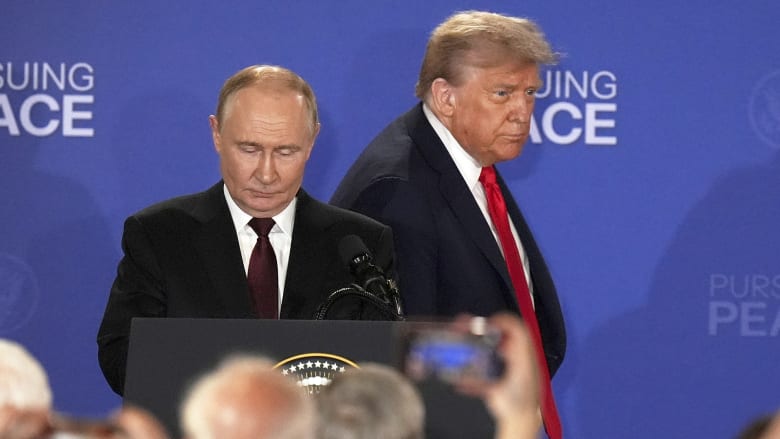
The wind howled across the frozen plains of Eastern Europe, carrying with it not just the chill of winter, but the chill of a geopolitical shift that few saw coming. In a move that left NATO allies scrambling and European capitals buzzing with confusion, former President Donald Trump reportedly followed a blueprint long associated with Kremlin think tanks: the withdrawal of U.S. troops from Russia’s borders. 
This blog post dives deep into the story behind the headlines, exploring how Trump’s decision to pull troops from Poland, the Baltics, and Romania aligns with Russian strategic goals, why U.S. and European interests are diverging on key issues, and what this means for the future of global security. Buckle up this is a tale of power, betrayal, and the crumbling of an old world order.
The Blueprint: Putin’s Playbook Comes to Life
For years, Russian strategists at institutions like the Moscow State Institute of International Relations have whispered a simple goal: weaken NATO by sowing discord between Washington and Brussels. They wrote papers on how encouraging American isolationism could create a buffer zone that Moscow could exploit. And now, it seems, those blueprints have been dusted off and put into action. 
The decision was framed by the Trump administration as a cost saving measure and a step toward burden sharing, with Europe picking up more of the tab for its own defense. But critics on both sides of the Atlantic see it as a gift to Moscow. “This is exactly what the Kremlin wanted,” said Dr. Anna Falk, a security expert at the European Council on Foreign Relations. “They wanted to create a crack in the Atlantic alliance, and now that crack is a chasm.” The narrative of a strong, united West now feels like a distant memory, replaced by whispers of betrayal and backroom deals.
A Tale of Two Continents: Diverging Interests
The rift between Washington and European capitals did not emerge overnight. It has been brewing for years, fueled by trade wars, disagreements over climate policy, and a fundamental clash of worldviews. While Europe clings to multilateralism and international law, the United States under Trump embraced a more transactional, go it alone approach. The troop withdrawal is the most tangible example yet of this divergence. 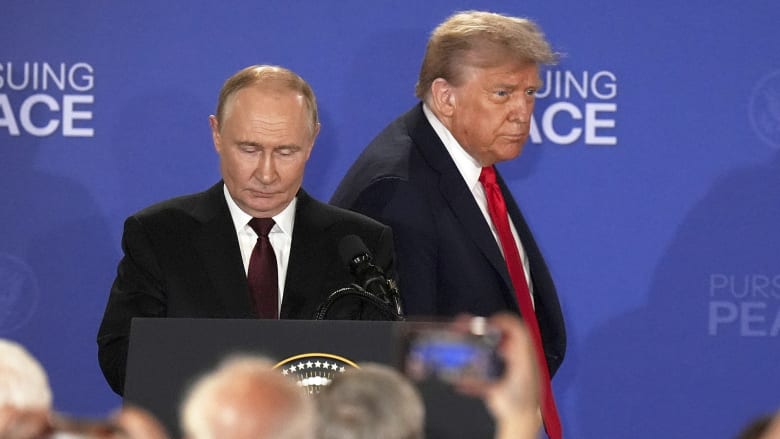 European leaders, from Berlin to Paris, reacted with a mixture of alarm and resignation. Polish President Andrzej Duda called the move “a profound mistake” that would embolden Russia, while Germany’s Chancellor Olaf Scholz warned of a “security vacuum” that could trigger an arms race.
But the divergence runs deeper than just defense. On energy, Europe has been diversifying away from Russian gas, while Trump’s administration pressured allies to buy more American LNG. On trade, the U.S. slapped tariffs on European steel and aluminum, and the EU retaliated. On digital regulation, Europe is pushing for strict data privacy laws while Washington favors a freer market. These are not just policy differences; they are fundamental clashes of ideology. And now, on the most critical issue of all military security the two pillars of the West are pulling apart.
The Human Element: Soldiers and Families Caught in the Crossfire
Behind every geopolitical maneuver, there are human stories. For U.S. soldiers stationed in Poland’s Orzysz base, the withdrawal order came as a shock. Sergeant First Class Mark Jensen, who had been deployed for nine months, told reporters: “We were told we were here to deter aggression. Now we are told to pack up and leave. It feels like we are abandoning our friends.” The families of American troops have had to cancel leases, pull children out of local schools, and face an uncertain future. In the small Polish town of Redzikowo, where a U.S. missile defense base was just completed, locals watched in disbelief as convoys of humvees rolled away.
Meanwhile, in Russia, the news was met with barely concealed glee. State television anchors described the withdrawal as a victory for Putin’s diplomacy. “The Americans are finally realizing that they cannot dictate terms to Moscow,” one commentator declared. But the real winners, analysts say, are not just the Kremlin but also China, which watches with interest as the West tears itself apart. The U.S. pivot away from Europe leaves Asia more vulnerable, and Beijing is already moving to fill the vacuum in trade and influence.
What Happens Next? A World Without a Safety Net
The immediate aftermath of the troop withdrawal is a strategic vacuum. NATO’s eastern flank, once a red line for the alliance, now looks porous. The Baltic states Estonia, Latvia, and Lithuania have already begun increasing their own defense spending, but they lack the resources to match a Russian military that is modernizing rapidly. The European Union’s rapid response force, a pet project of French President Emmanuel Macron, is still years away from being operational. In the meantime, hybrid threats cyberattacks, disinformation campaigns, and energy blackmail are likely to escalate.
But there is also a silver lining: the crisis has forced Europe to finally take its security into its own hands. Defense budgets are being slashed? No, they are being ramped up. Germany announced a historic 100 billion euro fund to modernize its military. France is pushing for a European Defense Union. The Nordics are closer than ever to joining NATO. The old, comfortable dependence on the United States is giving way to a new, uncertain independence. Whether that will be enough to deter a revanchist Russia remains to be seen.
The Bigger Picture: A Reordering of Global Alliances
This is not just a story about troops and tanks. It is about the collapse of a post World War II order that kept the peace for generations. For decades, the Atlantic alliance was the cornerstone of Western power. Now, with Trump implementing a plan straight out of Putin’s playbook, that cornerstone is crumbling. Some historians draw parallels to the dissolution of the Soviet bloc, when the Warsaw Pact fell apart and left a power vacuum. Today, it is the West that is unraveling.
The divergence of U.S. and European interests is not a temporary spat; it is a fundamental realignment. The United States is turning inward, while Europe is turning toward itself and, paradoxically, toward the East. Trade with China is booming, and diplomatic ties with Russia are being reexamined. The old adage “the enemy of my enemy is my friend” no longer applies. In this new world, alliances are fluid, and loyalty is a luxury.
Conclusion: A Warning from History
As the last U.S. soldiers board their transport planes and the Polish border fences grow quiet, we are left with a haunting question: What have we learned from history? Many times before, great powers have withdrawn from their allies, only to later regret it. The British abandoned the Greek resistance in World War II? No, that’s a different story. The Americans left Afghanistan in 2021, and the Taliban took over within weeks. Now, they are leaving Europe and the risks are even greater.
The story of Trump implementing Putin’s plan is a cautionary tale about the dangers of transactional diplomacy and the fragility of trust. For Europe, it is a wake up call. For the United States, it is a gamble. For the world, it is a new chapter in the long, bloody story of geopolitics. The wind still howls across the plains, but now it sounds different less like resistance, and more like surrender.