The Frozen Frontier: How NATO’s Northern Push Is Inching Europe Closer to a New Cold War
The wind howls across the endless white expanse of the Barents Sea, carrying with it not just the bite of Arctic frost but the low hum of military jets and the distant rumble of naval exercises. For decades, this frozen frontier was a quiet strategic backwater, a place of scientific research and the occasional patrol ship. Today, it is rapidly transforming into one of the most volatile flashpoints on the planet. NATO’s accelerated militarization of the Arctic and Baltic regions is redrawing the map of Northern Europe, and with each new base, each new deployment, the world inches closer to a confrontation that many fear could spiral into something far worse than the standoffs of the Cold War.

From the fjords of Norway to the shores of the Baltic Sea, a quiet but relentless buildup is underway. The alliance’s expansion—fueled by Finland and Sweden’s recent accession and a renewed focus on strategic deterrence—has ignited a chain reaction of countermoves from Moscow. The result is a tense, militarized landscape where miscalculation could have catastrophic consequences. This is not just about territory; it is about control over vital sea lanes, energy resources, and the future of European security.
The Norwegian Sentinel: A Strategic Pivot
Norway, with its long coastline and proximity to Russia’s Kola Peninsula—home to the Northern Fleet and a significant portion of Russia’s nuclear arsenal—has become the linchpin of NATO’s northern strategy. In recent months, Oslo has expanded its role far beyond traditional defense. The Norwegian government has increased defense spending, invited more allied troops for joint exercises, and upgraded its surveillance capabilities. The signing of a new Supplementary Defense Cooperation Agreement with the United States has effectively turned Norwegian airbases and ports into forward operating hubs for American forces.
This is not merely a symbolic shift. Norwegian intelligence reports have noted a sharp uptick in Russian submarine activity off the coast, probing NATO’s underwater surveillance networks. In response, NATO has bolstered its anti submarine warfare capabilities in the Norwegian Sea, with frequent deployments of P 8 Poseidon maritime patrol aircraft and nuclear powered attack submarines. The message from both sides is clear: the Arctic is no longer a zone of peace but a theater of competition. Local fishermen in the Lofoten islands now report seeing naval vessels where once only trawlers sailed—a grim reminder that the front line of a potential conflict has moved far north.

Britain’s Baltic Blueprint: New Ships, Old Fears
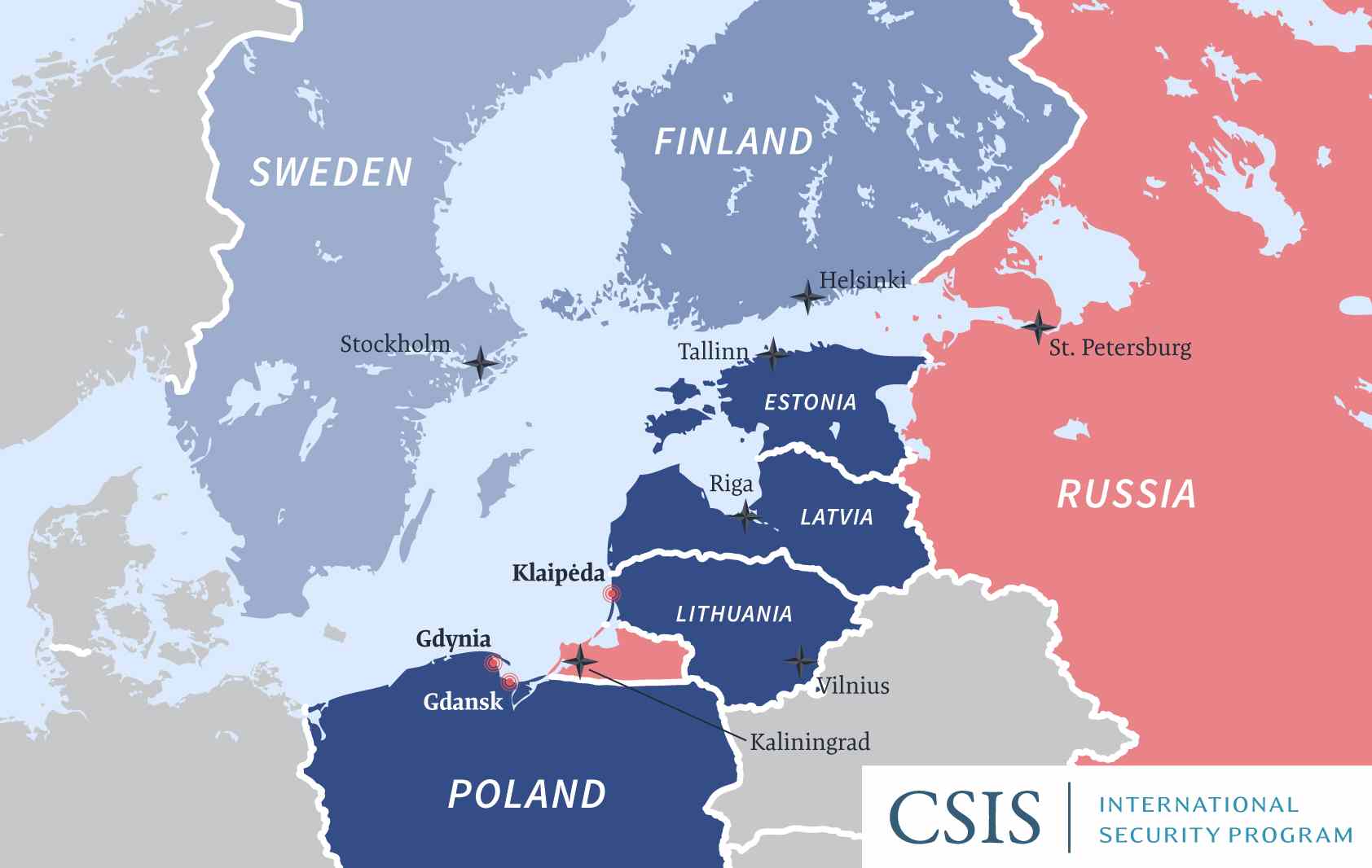
Meanwhile, the United Kingdom has unveiled ambitious naval plans that underscore the shift in focus. The Royal Navy is investing heavily in new frigates, a revamped mine countermeasures fleet, and a permanent presence in Baltic waters. Prime Minister and defense officials have spoken openly about the need to protect the alliance’s eastern flank, but the subtext is unmistakable: the Baltic Sea is becoming a chokepoint. The narrow straits of the Danish belts and the Gulf of Finland are critical arteries for Russian trade, especially for the transit of oil and gas from its Baltic ports. Should tensions escalate, NATO could theoretically impose a blockade, strangling Russia’s economic lifeline in the region.
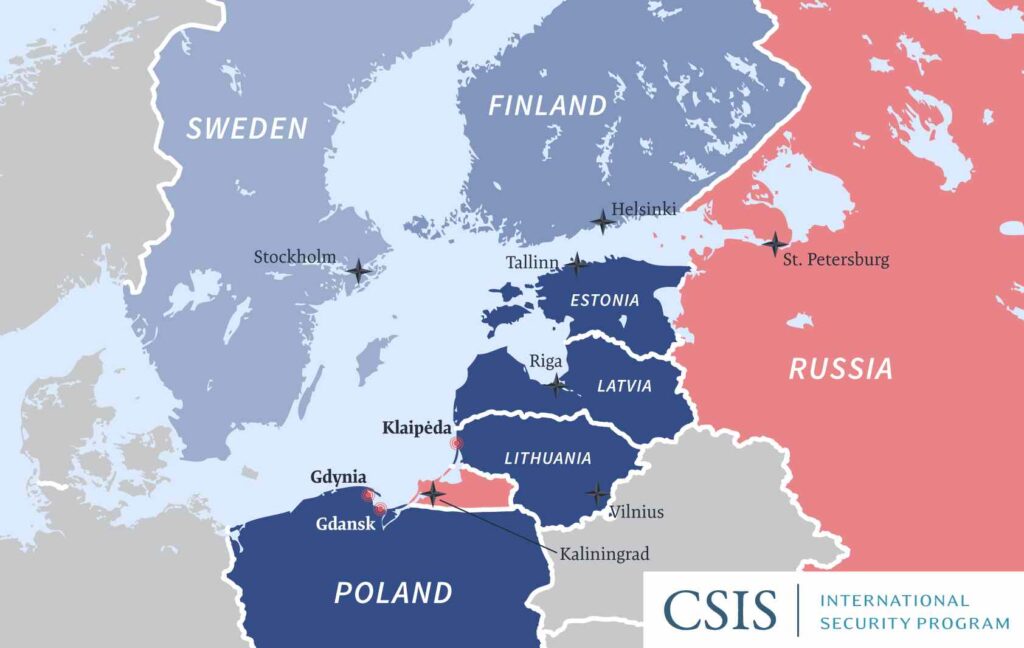
The very idea of a blockade terrifies Moscow. Russian military planners have long feared that NATO might close the Baltic Sea access during a crisis, trapping the Baltic Fleet and cutting off the Kaliningrad exclave. In response, Russia has fortified its holdings in Kaliningrad with Iskander missiles, Bastion coastal defense systems, and advanced electronic warfare capabilities. The Baltic skies are now crisscrossed by interceptors and reconnaissance aircraft. On any given day, one can track alerts for Russian jets buzzing Swedish or Finnish airspace, a pinprick designed to test reaction times and sow unease. This cat and mouse game has become routine, but its potential to spiral is immense.
Fractures Within the Fortress
Yet behind the unified front, cracks are beginning to show. NATO’s northern expansion has not come without internal discord. Some member states, particularly those with long histories of neutrality or limited defense budgets, are uneasy with the pace of militarization. Politicians in Norway and Finland face domestic pressure to balance deterrence with diplomacy, wary of becoming a permanent staging ground for allied forces. Meanwhile, Turkey’s ongoing disputes over Sweden’s membership ratification and Hungary’s foot dragging have exposed the alliance’s vulnerability to internal politics. The very process that was supposed to strengthen NATO has, at times, revealed its fragility.
Moreover, the economic cost is staggering. The massive reinvestment in Arctic capable infrastructure, permanent bases, and advanced weaponry strains already tight budgets. Critics argue that this spending detracts from other vital needs, such as climate adaptation and social welfare. But perhaps the most dangerous fracture is strategic: not all allies agree on the nature of the threat from Russia. Some see it as existential and immediate, while others view it as a manageable challenge that can be contained without permanent confrontation. This divergence in perception could lead to hesitation in a crisis, giving Moscow opportunities to exploit the seams.
Russia’s Response: A Mirror Buildup
Moscow, for its part, has not stood idle. The Kremlin has described NATO’s northern expansion as an encroachment on its historical sphere of influence and a violation of the spirit of earlier agreements. In response, Russia has deployed additional troops to its western military district, conducted snap drills focused on defending the Arctic coastline, and expanded its network of radar stations along the border. The Northern Fleet has received new hypersonic missiles, like the Zircon, which can strike targets at extreme ranges and complicate NATO’s defensive calculus.
Russian state media frames the situation as a defensive necessity, warning that NATO’s infrastructure allows for surprise attacks. This narrative resonates with a domestic audience that remembers the devastation of World War II. Escalation follows escalation: a new NATO base in the Arctic prompts a Russian missile battery near the border. A British naval exercise triggers a Russian simulated strike. The spiral is dangerous because each step is taken in the name of deterrence, yet collectively they raise the risk of accidental war. The story unfolding here is one of tragic momentum—a classic security dilemma where actions intended to protect only make the opponent feel less secure.
The Human Cost of the Cold North
Beyond the strategic calculations and political rhetoric, there is a human dimension often overlooked. Indigenous Sámi communities in northern Scandinavia and Russia’s Arctic regions have seen their traditional reindeer herding routes disrupted by military activity. Rising tensions have also stoked nationalist sentiment, fueling discrimination against Russian speaking minorities in Baltic states. On the seas, fishing crews report harassment from both sides. The Arctic, once a symbol of pristine wilderness, now echoes with the sounds of war games.
Diplomacy, meanwhile, has stalled. The Arctic Council, once a beacon of multilateral cooperation, has been largely paralyzed since Russia’s invasion of Ukraine. Scientific collaboration has been suspended. The hotline between military commanders, established to prevent incidents at sea, has gone quiet. In this vacuum, the potential for miscommunication grows. A submarine collision, an accidental overflight, or a misinterpreted radar blip could become the spark that ignites a broader conflict. Northern Europe is not yet at war, but it sits on a hair trigger.
Conclusion: A Path Back from the Precipice
The militarization of the Arctic and Baltic is not inevitable. History shows that even the most contentious frontiers can become zones of cooperation if leaders choose dialogue over deployment. The Cold War itself eventually gave way to arms control agreements, confidence building measures, and scientific exchanges in the polar regions. But that required political will and a mutual understanding of the catastrophic costs of war. Today, that understanding seems faded.
NATO’s northern expansion is a response to genuine security concerns, yet it risks becoming a self fulfilling prophecy. By treating the Arctic as a battlefield, the alliance may well create the very conflict it seeks to deter. The winds that howl across the Barents Sea carry a warning: we are on the edge of a new and dangerous era. Whether that edge becomes a launching point for war or a reminder to rediscover restraint is perhaps the most pressing question of our time.