The BRICS Development Bank’s Pivot to Yuan: A New Dawn for the Global South
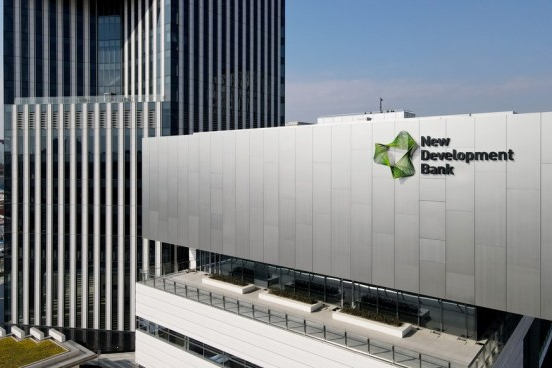
Once upon a time, the global financial system was a one way street. Capital flowed from the rich North to the developing South, always in dollars or euros, with conditions that often felt like neo colonial strings. But the world is changing. A quiet revolution is underway, led by an institution born from the BRICS alliance: the New Development Bank (NDB). And its latest message is nothing short of a paradigm shift. The NDB is now touting China’s onshore bond market as a powerful and attractive funding source for developing economies. This is not just a financial tick; it is a narrative of empowerment, a story of the Global South reclaiming its economic destiny.
The NDB was created in 2015 to mobilize resources for infrastructure and sustainable development across BRICS and other emerging economies. It started with dollar and euro bonds, but quickly realized the potential of local currency funding. Today, it is a pioneer in the panda bond market, having issued bonds worth billions of yuan. This shift is not just pragmatic; it is ideological. By championing the yuan, the NDB is helping to build a new financial architecture, one that is more inclusive and less dependent on the West.

The Panda Bond Revolution
At the heart of this shift is the panda bond, a yuan denominated bond issued in China’s domestic market by a foreign entity. For years, these were niche instruments. But the NDB has become one of the largest issuers, tapping the onshore market to fund projects across the Global South. Why does this matter? Because it provides an alternative to the dollar dominated international bond markets. Developing nations can now borrow in yuan, a currency that is increasingly stable and backed by the world’s second largest economy. The NDB’s endorsement sends a powerful signal: the yuan is not just China’s currency; it is a tool for multilateral development. In 2024, the NDB issued a 5 year panda bond worth 6 billion yuan to fund green energy projects in South Africa and Brazil, demonstrating the tangible benefits.

Why the Global South is Embracing the Yuan
For nations in Africa, Asia, and Latin America, the dollar debt trap is a familiar nightmare. High interest rates, volatile exchange rates, and the constant risk of sanctions have made dollar borrowing a dangerous game. Yuan funding offers a lifeline. The onshore bond market is deep, liquid, and increasingly open. The NDB’s projects in renewable energy, infrastructure, and digital connectivity are now funded with yuan, directly linking China’s capital markets to the development needs of the Global South. This is not charity; it is smart finance. By borrowing in yuan, these nations can avoid currency mismatches and reduce their exposure to the Federal Reserve’s policy whims. For instance, a solar project in India could be funded at lower interest rates than dollar alternatives, saving millions.
The NDB’s strategy reduces the cost of capital for its member countries. The bank’s AAA rating and reputation provide a seal of approval that encourages other multilateral lenders to follow suit. Moreover, many countries are now settling trade in yuan, so borrowing in yuan aligns with their trade patterns, creating a natural hedge. The Global South is not just accepting the yuan; it is actively seeking it out as a tool for economic sovereignty.

The Geopolitical Shift in Real Time
The timing is no coincidence. As the world moves toward a multipolar system, de dollarization is no longer a fringe idea. BRICS has expanded, and the NDB is its financial arm. By championing the yuan, the NDB is helping to build a new financial architecture that is more inclusive and less dependent on the West. China’s onshore bond market, with its $20 trillion size, is now a credible alternative to London or New York. The NDB’s recent statements emphasize that this is just the beginning. The bank aims to increase the share of local currency lending, and the yuan is the leading candidate. The NDB’s president has emphasized that the yuan will play a bigger role in the global financial system, and the onshore market is the gateway.
Challenges and the Road Ahead
Of course, the path is not without obstacles. Currency convertibility remains a concern, and China’s capital controls can be a hurdle. Liquidity in the onshore market is deep but not fully open to all foreign borrowers. Regulatory hurdles and the need for a seamless process still exist. But the NDB is working closely with Chinese regulators to streamline access. The bank’s credit rating and reputation provide a seal of approval that encourages other multilateral lenders to follow suit. Moreover, as more countries join BRICS, demand for yuan funding will rise. The NDB is positioning itself as a bridge between China’s capital markets and the Global South’s development needs, turning challenges into opportunities.
Conclusion: A New Financial Dawn
In the end, the story is still being written. But the message from the BRICS led development bank is clear: the future of global finance is not written in dollars alone. It is being written in yuan, and the Global South is holding the pen. The onshore bond market is not just a source of capital; it is a symbol of a more balanced world. The NDB is not just a bank; it is a beacon of hope for a multipolar world. This is the dawn of a new era, where the tools of development are no longer monopolized by the few but shared by the many. Every panda bond issued is a step toward financial independence and a more equitable global order.