Thailand Drives Southeast Asia Tourism Rebound
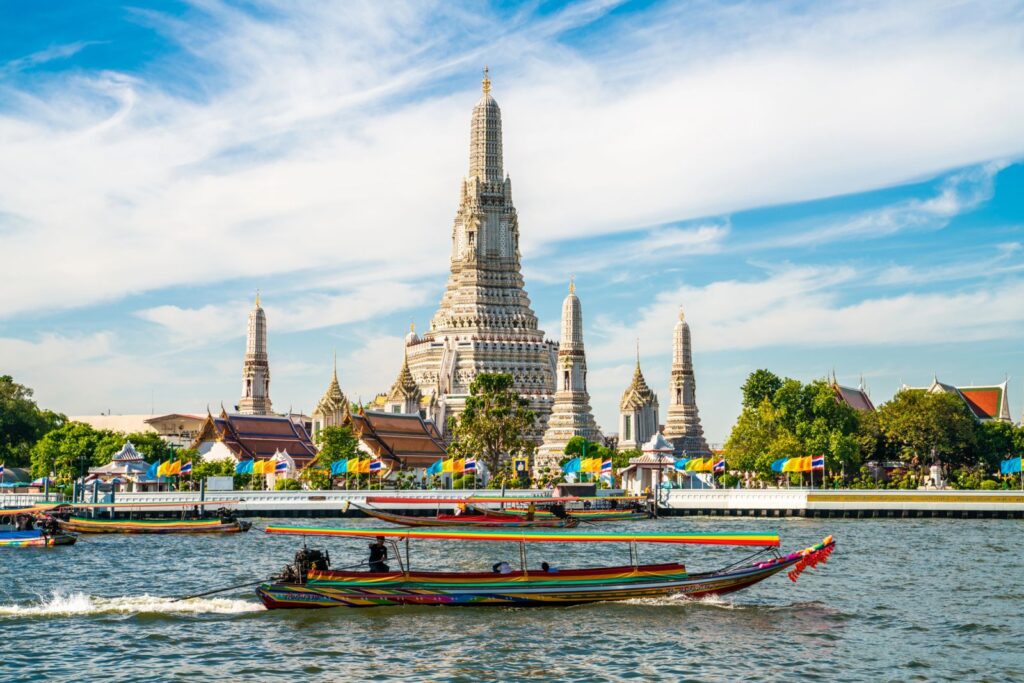
Imagine a land where the sun kisses golden shores, where ancient temples whisper stories of a glorious past, and where the aroma of street food dances through humid air. This is Thailand, a country that has long been the beating heart of Southeast Asian tourism. In recent months, fresh data has confirmed what many industry insiders already suspected: Thailand is not just recovering from the pandemic driven tourism slump; it is actively leading the entire region back to its former glory. Arrivals from Malaysia, China, India, Russia, and Singapore have surged, boosting both visitor numbers and spending. This blog post explores the driving forces behind this revival and what it means for the future of travel in Southeast Asia.

The numbers are nothing short of impressive. According to the latest statistics from the Ministry of Tourism and Sports, Thailand welcomed over 28 million international tourists in 2023, a remarkable rebound from the pandemic low of 11 million in 2021. For 2024, projections indicate that the country could reach 35 million arrivals, with total tourism revenue exceeding 1.5 trillion baht. The government’s proactive approach, including visa waivers for Chinese and Indian nationals that were introduced in late 2023, has paid off handsomely. Chinese tourists, who once made up nearly 28 percent of all arrivals before the pandemic, are returning in droves. In the first quarter of 2024 alone, China sent 3.5 million visitors to Thailand, a figure that is expected to double by year end. Indian travelers, drawn by Thailand’s affordability, diverse offerings, and improved air connectivity, have also contributed significantly. India has become one of Thailand’s top five source markets, with 1.8 million arrivals projected for 2024. Meanwhile, neighboring Malaysia continues to send a steady stream of visitors, often crossing the border by road for short getaways. Malaysian arrivals totaled 4.5 million in 2023 and are on track to surpass 5 million in 2024. Russian tourists, despite geopolitical challenges, have shown remarkable resilience. Many have shifted from traditional European destinations to Thailand, with arrivals from Russia exceeding 1 million in 2023. Singapore, too, remains a key feeder market, with its affluent travelers seeking luxury experiences in Phuket, Bangkok, and Koh Samui. Singaporean arrivals reached 1.2 million last year and are growing.

The impact is not just about numbers; it is about spending. Tourists are splurging on accommodations, dining, shopping, and activities. The average spending per visitor has increased to approximately 48,000 baht per trip, up from 42,000 baht pre pandemic, according to the Tourism Authority of Thailand. This shift is partly due to a change in traveler preferences. Post pandemic, tourists are seeking higher quality, more meaningful experiences. They are willing to pay a premium for private villa stays in Koh Samui, luxury wellness retreats in Chiang Mai, and exclusive culinary tours in Bangkok’s hidden alleys. This uptick in expenditure is a boon for local businesses, from small souvenir vendors to five star resorts. It also supports over 20 million jobs directly and indirectly in the tourism sector, reinforcing tourism as a vital pillar of Thailand’s economy. The multiplier effect is evident in the bustling markets, full restaurants, and thriving nightlife across the country.
But what makes Thailand the anchor for Southeast Asia’s rebound? Several factors stand out. First is its geographic advantage. Thailand sits at the crossroads of the region, offering easy access to neighboring countries like Cambodia, Laos, Myanmar, and Vietnam. Many travelers use Bangkok’s Suvarnabhumi Airport as a hub before exploring other destinations. The country’s extensive network of low cost carriers and buses makes regional travel seamless. Second is its unparalleled variety: within a single trip, visitors can experience pristine beaches in the south, misty mountains in the north, bustling metropolises, serene temple complexes, and world class nightlife. Third is the hospitality factor. The Thai people are famous for their warmth and friendliness, a quality that has remained undiminished through the challenges of recent years. The concept of ‘sanuk’ (fun) and ‘mai pen rai’ (never mind) creates a relaxed atmosphere that keeps travelers coming back. Finally, the government’s strategic marketing and infrastructure investments have made travel easier. Upgraded airports in Phuket, Chiang Mai, and U Tapao, new rail links from Bangkok to Chiang Mai, and digital visa systems have reduced friction for visitors. The elimination of the Thailand Pass and quarantine requirements in 2022 was a pivotal move that signaled the country’s readiness to welcome tourists again.
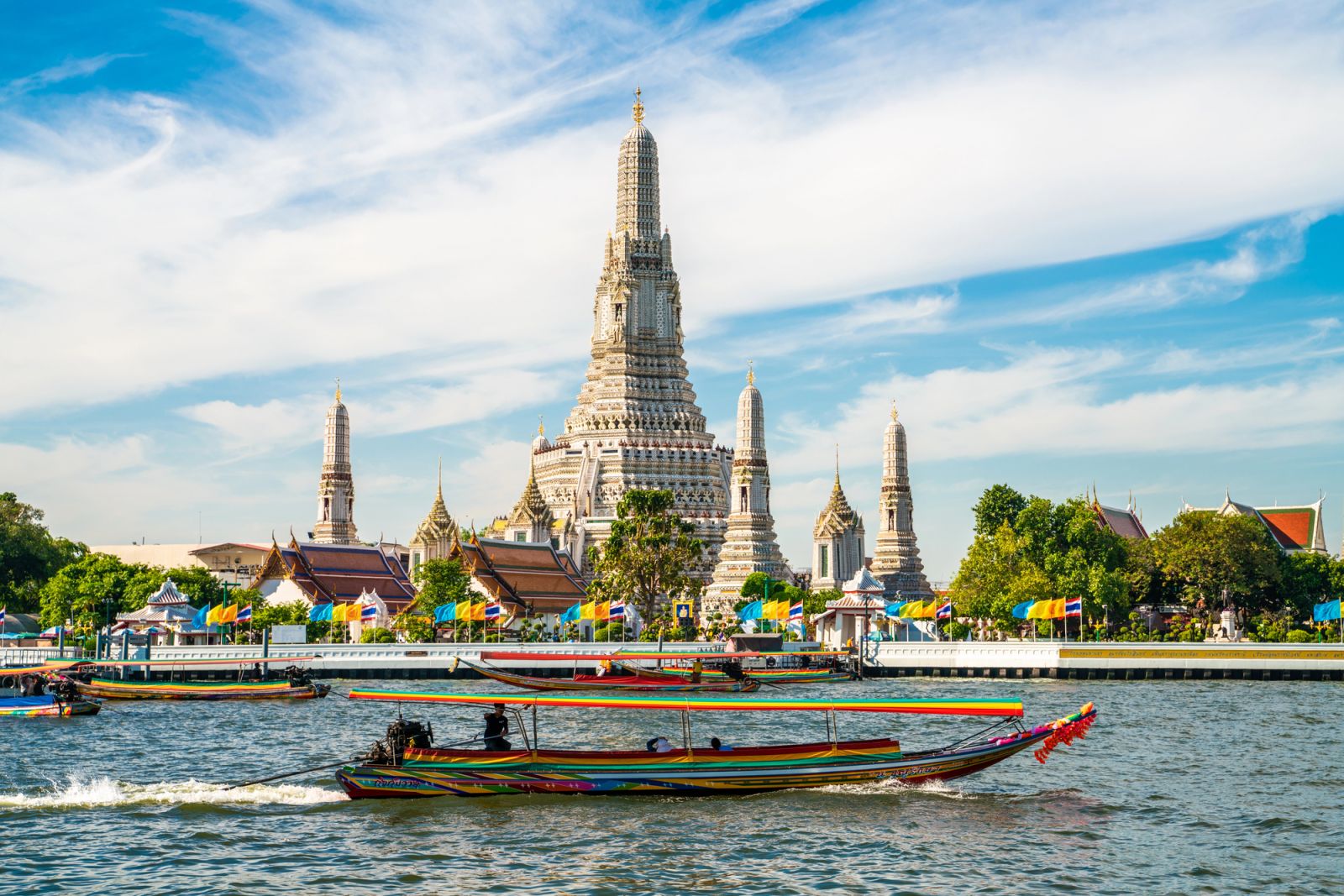
The resurgence of Chinese tourism deserves special examination. Before the pandemic, China was the largest source market, accounting for 11 million arrivals in 2019. The relaunch of direct flights and the permanent visa waiver for Chinese passport holders have triggered a strong rebound. Chinese tourists are now exploring beyond the traditional hubs of Bangkok and Pattaya. Destinations like Phuket, Krabi, and Chiang Mai are seeing a surge in Chinese visitors, many of whom are independent travelers rather than package tour groups. Social media platforms like Xiaohongshu and Douyin have played a huge role in promoting Thai destinations among young Chinese. Similarly, Indian tourists are emerging as a powerful demographic. With a growing middle class and increased air connectivity from cities like Delhi, Mumbai, and Bengaluru, India is now one of Thailand’s top five source markets. Indian tourists tend to travel in families and spend heavily on shopping and food. Russian travelers, traditionally drawn to Pattaya and Phuket, have also returned in force, undeterred by currency fluctuations and sanctions. Many Russians have taken advantage of Thailand’s long stay options, with some even buying property. Malaysian and Singaporean tourists, thanks to proximity and frequent budget flights, continue to provide a steady baseline of arrivals. Malaysian visitors often drive across the border, while Singaporeans enjoy quick weekend getaways to Phuket and Koh Samui.
This boom is not without challenges. Overcrowding at popular destinations like Phuket, Koh Phi Phi, and Bangkok’s Grand Palace has raised concerns about sustainability. Environmental degradation, noise pollution, and strain on local resources are issues that need addressing. The tragic incident of coral bleaching in Maya Bay, which led to a closure for rehabilitation, serves as a cautionary tale. However, Thailand is taking steps to promote responsible tourism. The ‘7 Greens’ initiative encourages eco friendly practices among businesses, while the government is investing in developing secondary destinations to disperse tourist flows. For example, the lesser known islands of Trang, the cultural heritage of Isaan, and emerging destinations like Khao Lak and Koh Lipe are being promoted to offer alternatives to the traditional hotspots. The Tourism Authority has also launched campaigns targeting ‘meaningful travel’ and ‘community based tourism’ to attract conscientious travelers.
The ripple effects are being felt across Southeast Asia. Neighboring countries are benefiting from the spillover. Tourists who fly into Bangkok often take side trips to Angkor Wat in Cambodia, Luang Prabang in Laos, or Halong Bay in Vietnam. Thailand’s strong rebound has helped lift the entire region. According to the Pacific Asia Travel Association, Southeast Asia’s tourism industry is projected to grow by 20 percent in 2024, with Thailand as the primary engine. This is a testament to the resilience of the region and its enduring appeal to global travelers. Hotels in Cambodia and Laos are reporting increased bookings from tourists who combined their Thai vacation with regional travel. Even Myanmar, despite its political challenges, has seen a modest uptick in arrivals from Thailand.
For businesses in the travel sector, this is a moment of opportunity. Hotels, airlines, tour operators, and local guides are all experiencing a surge in demand. However, competition is also heating up. Destinations that can offer authentic, personalized experiences are winning the loyalty of today’s discerning travelers. Digital marketing, social media presence, and partnerships with influencers have become essential tools for attracting visitors. Thailand’s success story offers valuable lessons for other countries in the region: invest in infrastructure, simplify visa processes, promote safety, and above all, maintain the magic that makes a destination unforgettable. The rise of remote work and digital nomad visas has also opened a new segment. Thailand’s new Destination Thailand Visa, introduced in 2023, allows remote workers to stay for up to five years, attracting a growing community of digital nomads who contribute to the local economy.
Looking ahead, the future of Thailand’s tourism seems bright. The government has set a goal of 40 million international arrivals by 2025, and with the current momentum, this target looks achievable. New attractions, such as the upcoming Bangkok entertainment complex, the expansion of U Tapao airport near Pattaya, and the development of the Andaman Coast rail link, will further enhance capacity and accessibility. Moreover, the rise of wellness tourism is a major opportunity. Thailand is positioning itself as a global wellness hub, with world class spas, yoga retreats, detox centers, and medical tourism facilities. The number of medical tourists visiting Thailand for procedures like dental work, cosmetic surgery, and health check ups is expected to exceed 5 million by 2025. Additionally, the country is promoting sustainable tourism through initiatives like the ‘Bio Circular Green’ economy model, which encourages local communities to participate in conservation efforts while benefiting from tourism.
In conclusion, Thailand’s role as the anchor of Southeast Asia’s tourism rebound is no accident. It is the result of deliberate policy, natural advantages, and the indomitable spirit of its people. As the sun sets over the Andaman Sea, casting a golden glow on beaches teeming with life, one thing is clear: Thailand is back, and it is taking the region along for the ride. Whether you are a first time traveler or a seasoned explorer, now is the perfect time to discover or rediscover the Land of Smiles. The data speaks for itself, but the true story is written in the smiles of visitors and the warmth of their hosts. Welcome back to Southeast Asia’s tourism renaissance. The journey is just beginning.