Russia’s Missile Diplomacy: The High Stakes of Europe’s Drone Alliance with Ukraine
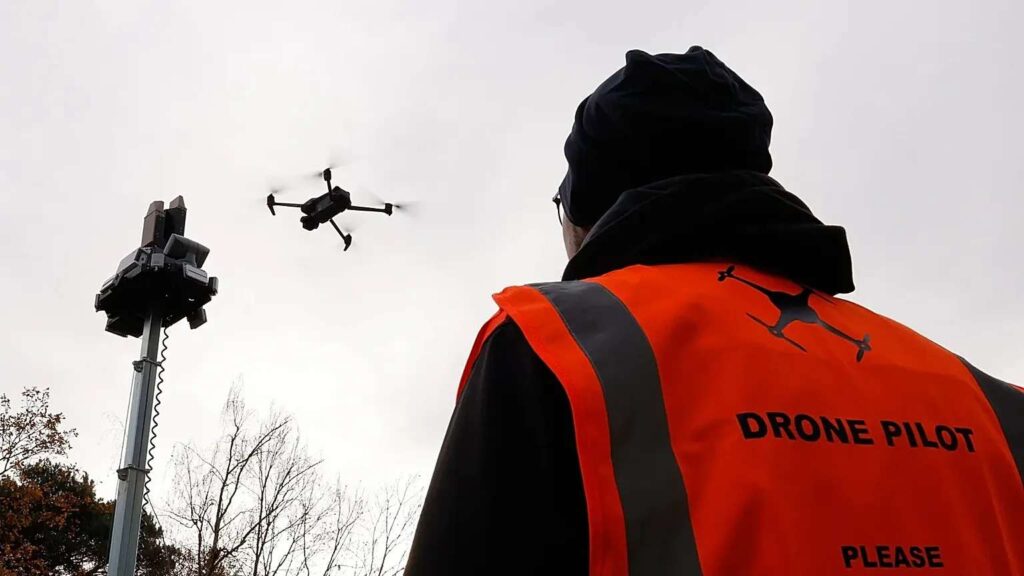
The geopolitical chessboard of Europe is trembling once again, as a new move from Moscow sends ripples across the continent. In a stark declaration that blends threat with strategic posturing, Russia has issued a severe warning against European nations deepening their drone cooperation with Ukraine. The Russian Ministry of Defense has not only vocalized this caution but has accompanied it with a chilling release of data pinpointing firms involved, alongside a reminder that the listed European countries are firmly within the crosshairs of Russian missiles. This isn’t merely a diplomatic spat; it’s a calculated escalation that brings the shadow of conflict closer to home for many in the West. The air is thick with tension, as every drone shipped to Kyiv seems to draw an invisible targeting line back to European capitals. How did we get here, and what does this mean for the future of European security? Let’s delve into the unfolding drama.

The Ultimatum from Moscow: A Clear and Present Danger
Russia’s warning is not couched in ambiguous language. It is a direct, unequivocal statement aimed at deterring Western support for Ukraine’s defense efforts, particularly in the realm of unmanned aerial vehicles. Drones have become the eyes, ears, and sometimes the fists of the Ukrainian military, offering a critical edge against a larger, conventional force. By targeting this cooperation, Russia aims to sever a vital lifeline. The release of data on firms involved in drone technology transfer or manufacturing is a tactic straight from the hybrid warfare playbook it names and shames, but also intimidates, suggesting that these entities and their host nations are now on a strategic list. The message is clear: continue this path, and face tangible consequences. This move transforms economic and military aid into a potential casus belli, raising the stakes for every NATO member and EU state involved.
European Nations in the Crosshairs: Geography as Destiny
The most alarming part of the Russian Ministry of Defense’s communiqué is the explicit mention that the European countries listed are within range of Russian missiles. This is not an abstract threat. With Russia’s arsenal including advanced systems like Iskander ballistic missiles, Kalibr cruise missiles, and the ominous Kinzhal hypersonic missiles, cities from Warsaw to Berlin, from Prague to Helsinki, could theoretically be reached. 
The Drone Nexus: Why This Cooperation Triggers Moscow
Why focus on drones? In modern warfare, especially in the contested skies over Ukraine, drones have proven to be force multipliers. They provide surveillance, artillery correction, and even kinetic strike capabilities at a fraction of the cost of traditional aircraft. European cooperation in this domain whether through direct donations, joint production ventures, or technology sharing represents a significant enhancement of Ukraine’s defensive and offensive capabilities. For Russia, every Bayraktar or FPV drone that finds its target is a symbol of Western resilience and a dent in its military campaign. By threatening the sources of these drones, Moscow hopes to choke the pipeline, isolating Ukraine and demoralizing its allies. The released data on firms is intended to sow doubt and fear, potentially causing corporate reticence and political hesitation. It’s a strategy of economic and psychological pressure, aiming to freeze cooperation before it deepens further.
Decoding the Data: Firms in the Spotlight
While the exact list of firms has not been detailed in the initial snippet, the very act of releasing such data is significant. It likely includes defense contractors, aerospace companies, and even tech startups across Europe that contribute to drone technology. 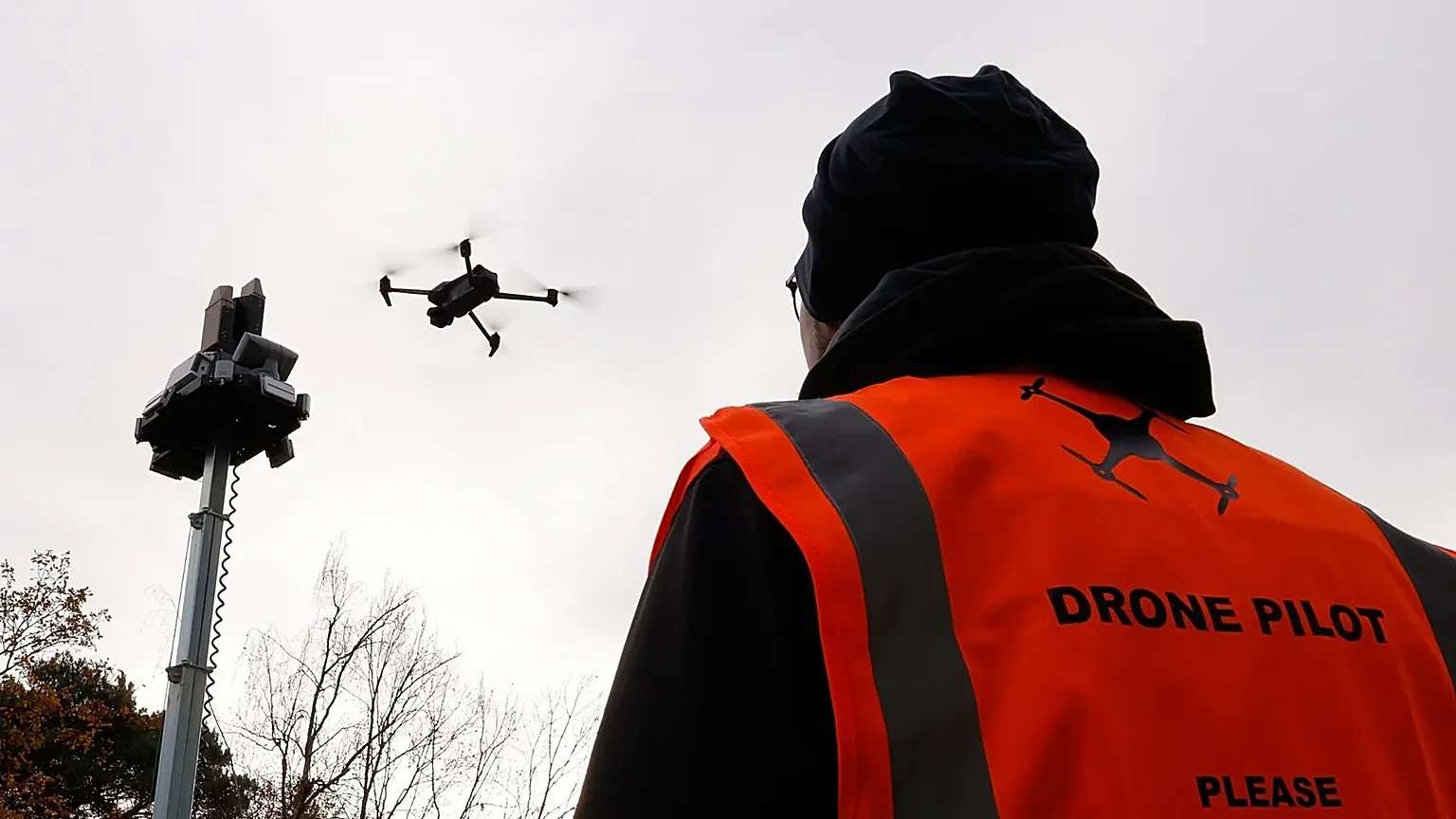 This public naming serves multiple purposes: it signals to domestic Russian audiences that the state is actively countering Western interference, it warns third-party nations against engaging with these entities, and it attempts to create a chilling effect on innovation and collaboration within the European defense industry. For the firms themselves, being highlighted by the Russian MOD could mean heightened cybersecurity threats, reputational risks, or even threats to personnel. This tactic blurs the line between war and peace, bringing economic actors directly into the geopolitical fray.
The Broader Canvas: Escalation and the Fragility of Deterrence
This incident is not an isolated event but a thread in the larger tapestry of escalating tensions between Russia and the West. Each aid package to Ukraine, each new sanction, has been met with rhetorical and sometimes operational responses from Moscow. The missile range warning is a step up the escalation ladder, invoking the specter of direct conflict with NATO. It tests the alliance’s unity and resolve. Will European nations double down on their support, invoking Article 5 preparedness, or will some waver under the implied threat? The storytelling here is of a continent at a crossroads, where principles of sovereignty and democracy clash with realpolitik and fear. The vibe is one of precarious balance, where a single miscalculation could widen the war dramatically. Historical echoes of Cold War brinkmanship are unmistakable, but played out with 21st-century technology and information warfare.
Conclusion: Navigating the New Normal of Coercive Diplomacy
Russia’s warning on drone cooperation is a masterclass in coercive diplomacy. It uses military facts missile ranges to enforce political and economic red lines. For Europe, the path forward is fraught with risk but also imperative. Succumbing to threats would undermine Ukrainian resistance and embolden further aggression. Yet, ignoring the warning entirely invites potential escalation. The conclusion must be that European security is now indivisible from Ukraine’s. Investing in integrated air defense, reinforcing NATO’s eastern flank, and continuing support for Ukraine while managing escalation channels are the orders of the day. The released data on firms is a reminder that in today’s conflicts, everyone is a stakeholder. As the sun sets on this latest crisis, the enduring lesson is that the defense of values often requires standing firm in the face of shadowy threats and loud warnings, all while preparing for the storms that may come. The story continues, and its next chapter will be written by the choices made in European capitals and the corridors of power in Moscow.