Going Nuclear: Russia, China, and Southeast Asia’s Nuclear Power Ambitions
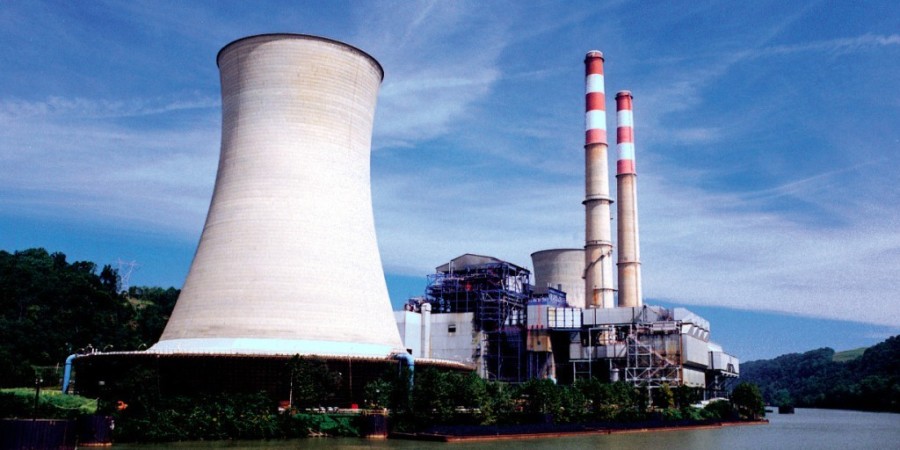
Picture this: a humid evening in Jakarta, the city lights flickering as demand strains the grid. Or the bustling streets of Ho Chi Minh City, where factories hum day and night. Southeast Asia is growing fast, and its appetite for electricity is insatiable. For decades, coal and gas have been the fuels of choice, but the climate crisis and air pollution are forcing a rethink. Since the advent of commercial nuclear power in the mid 1950s, the region has flirted with the atom, but fear and cost have kept it at bay. Now, a new generation of reactors and a global push for net zero emissions is reigniting the dream. The key players? Russia and China, two nuclear titans eager to export their technology. This is the story of a region standing on the precipice of an atomic transformation.

The Dream That Wouldn’t Die
For decades, the promise of cheap, clean nuclear energy has teased Southeast Asian leaders. The first serious proposals emerged in the 1970s, when countries like the Philippines and Thailand contemplated small reactors. But the Chernobyl disaster in 1986 and later Fukushima in 2011 shattered public confidence. Projects were shelved, and the region returned to fossil fuels. Yet the underlying need never disappeared. Today, with energy demand projected to triple by 2050, and with renewable sources like solar and wind still intermittent, nuclear offers a steady baseload power. Newer designs, like small modular reactors, promise safety and flexibility. The dream is not dead; it is evolving.
Vietnam, for instance, had plans to build two nuclear plants with Russian help, but after Fukushima, the government postponed them. Now, with coal shortages and climate goals, Hanoi is revisiting the option. Indonesia, with its thousands of islands, sees small modular reactors as a way to provide power to remote communities without building massive grids. The Philippines, which once built a nuclear plant during the Marcos era that never operated, is now looking at it again. The dream is reawakening, driven by necessity. The International Atomic Energy Agency has been providing technical assistance to help build regulatory capacity in the region.
Russia’s Nuclear Diplomacy
Russia has been a nuclear pioneer since the Soviet era. Its state owned company Rosatom has built reactors across the globe, from Iran to India. In Southeast Asia, Russia has signed agreements with Vietnam, Indonesia, Myanmar, and Cambodia. The appeal is not just the reactor technology but the entire package: fuel supply, waste management, training, and financing. Russia offers what many Western vendors cannot a willingness to take on the full lifecycle responsibility. Moreover, Rosatom’s floating nuclear power plants, like the Akademik Lomonosov, are particularly suited for island nations like Indonesia. However, geopolitical tensions and sanctions over Ukraine have complicated these deals. Some countries fear becoming too dependent on Moscow. Yet for nations seeking a fast track to nuclear power, Russia remains an attractive partner.

China’s Nuclear Expansion
China, meanwhile, is not far behind. Having mastered its own reactor designs, like the Hualong One, Beijing is aggressively promoting its nuclear exports through the Belt and Road Initiative. In Southeast Asia, China has held talks with Thailand, Malaysia, and the Philippines. Chinese reactors promise lower costs and faster construction times, a major selling point for cash strapped governments. But there are concerns about equipment quality, safety oversight, and debt sustainability. Critics warn that Chinese nuclear deals could lead to a new form of dependency, similar to the “debt trap” diplomacy seen in Sri Lanka or Pakistan. Nonetheless, for countries seeking to diversify away from Western suppliers, China offers a viable alternative.
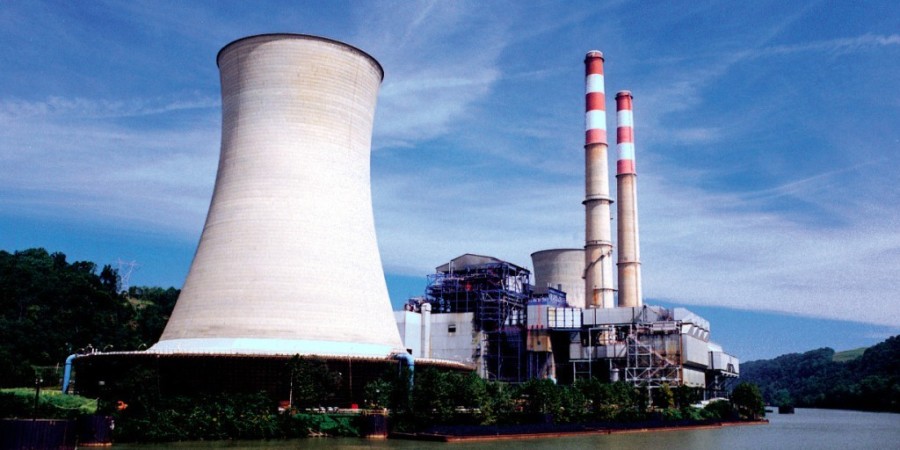
The race to supply Southeast Asia’s nuclear reactors is intensifying. Russia and China are not only competing on price and technology but also on diplomatic influence. Each offers financing packages, training, and long term maintenance. For the recipient countries, this competition can be beneficial, driving down costs and improving terms. However, it also risks turning energy decisions into political alignments. Some countries are trying to diversify by engaging with both, while others are waiting to see which technology proves safer and more reliable.
The Southeast Asian Dilemma
Each nation faces its own set of challenges. Public acceptance remains a huge hurdle. After Fukushima, anti nuclear sentiment runs deep. Governments need to convince citizens that new reactors are safe, with passive cooling systems and containment structures. Regulatory frameworks are often weak, requiring international assistance. There is also the issue of nuclear waste, with no permanent disposal sites in the region. Moreover, the high upfront cost of nuclear plants requires significant investment, often leading to public private partnerships or sovereign guarantees. And then there is the geopolitical tightrope. Choosing between Russian and Chinese technology could align a country with one bloc or the other. The United States and its allies are also offering nuclear cooperation, adding another layer of complexity. Southeast Asia must navigate these currents carefully, prioritizing energy security without compromising sovereignty.
The nuclear renaissance in Southeast Asia is not a matter of if, but when. The region’s energy needs are too great, and its climate commitments too urgent, to ignore atomic power. Russia and China are ready to supply the technology, each with its own vision of partnership. But the ultimate decision lies with the people and governments of Southeast Asia. They must balance ambition with caution, embrace innovation while ensuring safety. The glow of a nuclear reactor may soon join the tropical sun in lighting up this vibrant region. The future is being built, one atom at a time.