India Seeks Rare Earth Samples from Rosneft owned Siberian Deposit, Source Says
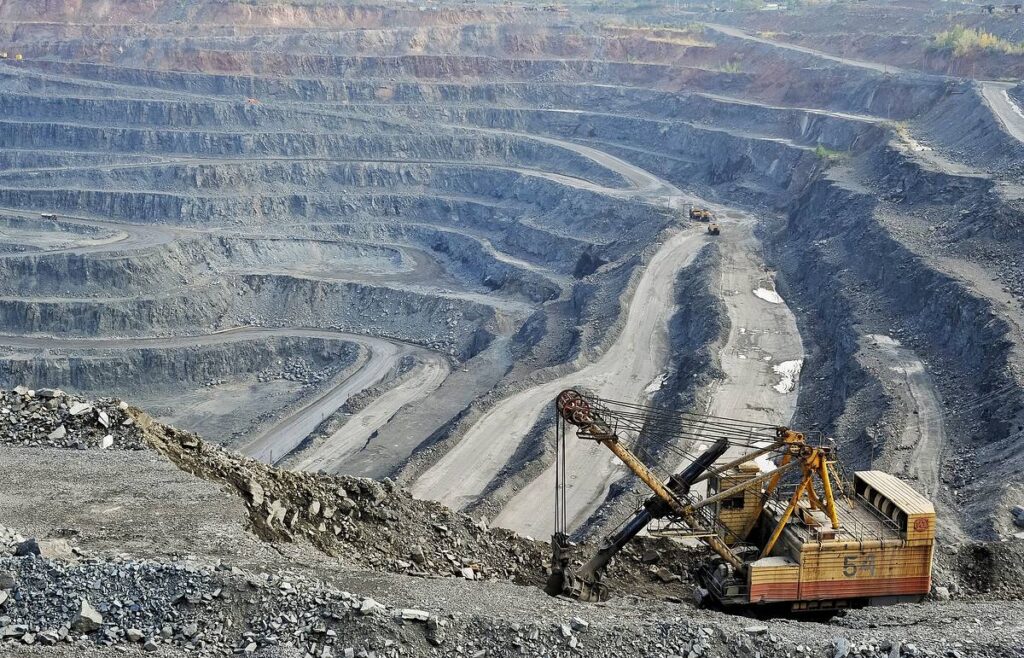
In a quiet but seismic shift beneath the frozen expanse of Siberia, a new chapter in global resource geopolitics is being written. India, a nation with its eyes fixed firmly on the future, has discreetly reached out to tap into a rare earth deposit owned by Rosneft, the Russian energy giant. This move, confirmed by a source familiar with the matter, is more than a simple geological survey; it is a strategic pivot aimed at loosening the tight grip China has long held over the world’s supply of critical minerals.
The story begins not in the bustling corridors of New Delhi or Moscow, but in the remote and icy landscapes of Siberia, where the Tomtor deposit sits like a buried treasure. Known for its extraordinary concentration of rare earth elements, this deposit could reshape the supply chains that power everything from electric vehicles to advanced defense systems. For India, securing samples from this deposit is the first step in a journey that could redefine its technological and economic sovereignty.
A Strategic Thirst for Independence
India’s hunger for rare earth minerals is no secret. These elements, essential for manufacturing high tech products like magnets, lasers, and batteries, are currently dominated by China, which controls over 60% of global production and nearly 90% of processing. For years, New Delhi has watched this dependency with growing unease, especially as tensions with Beijing simmer. The need to diversify supply sources has never been more urgent.
The Siberian deposit presents a tantalizing alternative. Unlike many rare earth deposits that are scattered and low grade, Tomtor is a geological anomaly, boasting some of the highest concentrations of niobium, yttrium, and other sought after elements. By engaging with Rosneft, India is not just buying ore; it is building a partnership that could circumvent the Chinese bottleneck.
The source revealed that the samples will first be processed in Russia before being sent to India for analysis. This two step approach is deliberate. Processing rare earths is a complex, environmentally sensitive process that requires specialized facilities. Russia, with its own industrial base, can provide the initial refinement, ensuring that India receives high quality material for further testing. Once analyzed, Indian scientists and engineers will determine the viability of the deposit for commercial exploitation.
The Geopolitical Chessboard
This move is not happening in a vacuum. It is part of a broader chess game where energy, technology, and national security intersect. India’s relationship with Russia, long anchored by defense deals and energy imports, is now evolving into a critical minerals alliance. The timing is telling: as Western nations impose sanctions on Russia over the Ukraine conflict, Moscow is looking east for economic partners. India, in turn, sees an opportunity to secure resources without the political strings that often come with Western partnerships.
But the road ahead is fraught with challenges. Rare earth mining and processing are capital intensive and often come with environmental costs. Siberia’s harsh climate and remote location add logistical hurdles. Yet, the potential rewards are immense. If India can successfully tap into Tomtor, it could break China’s monopoly and create a new supply chain that stretches from the Arctic tundra to the Indian Ocean.

Moreover, this initiative aligns with India’s broader push under the “Atmanirbhar Bharat” (Self Reliant India) campaign. By securing rare earths, New Delhi can bolster its domestic manufacturing of electric vehicles, wind turbines, and smartphones, reducing import bills and creating jobs. It also strengthens India’s position in global negotiations, giving it leverage in trade and technology talks.
What the Samples Will Tell Us
The samples that India seeks are not just rocks; they are keys to unlocking a new era of industrial capability. Once in Indian laboratories, they will undergo rigorous testing to assess purity, concentration, and ease of extraction. If the results are promising, India and Russia could move to a full scale mining agreement, potentially including joint ventures for processing facilities.
The scientific community is watching closely. Rare earth elements are critical for green technologies, and any new source can accelerate the global transition to clean energy. For India, which has set ambitious renewable energy targets, access to these minerals is non negotiable. The Siberian deposit could provide the raw materials for the magnets used in electric vehicle motors and wind turbine generators, two pillars of India’s green future.
A New Silk Road of Minerals
This collaboration also hints at a new kind of economic corridor. Instead of just oil and gas, the India Russia partnership is diversifying into minerals. It is a modern twist on the ancient Silk Road, where goods and ideas traveled vast distances. Today, the cargo is carried in ships and planes, but the stakes are equally high. By processing the samples in Russia, both countries are signaling a shared interest in building a parallel supply chain that does not depend on China.
Yet, the global community remains skeptical. Sanctions on Russia could complicate logistics and payments. India will need to navigate these legal and financial minefields carefully. However, history shows that necessity often finds a way. India has a track record of maintaining strategic autonomy, balancing relationships with major powers. This rare earth deal is just the latest example.
Conclusion: A Quiet Revolution
In the world of geopolitics, the most consequential moves are often the ones that go unnoticed. India’s quest for rare earth samples from Siberia is one such move. It is a quiet revolution, driven by the need for security, innovation, and independence. If successful, it could alter the balance of power in the high tech supply chain, giving India a seat at a table long dominated by others.
The samples will tell a story of potential and promise. But the real story is about a nation taking bold steps to shape its own destiny. As the ice of Siberia yields its secrets, India may well find the keys to its technological future buried deep within the earth. And that future, free from dependence on any single nation, is worth the journey.