Change on the Horizon: Andy Burnham Takes Charge While Britain Waits
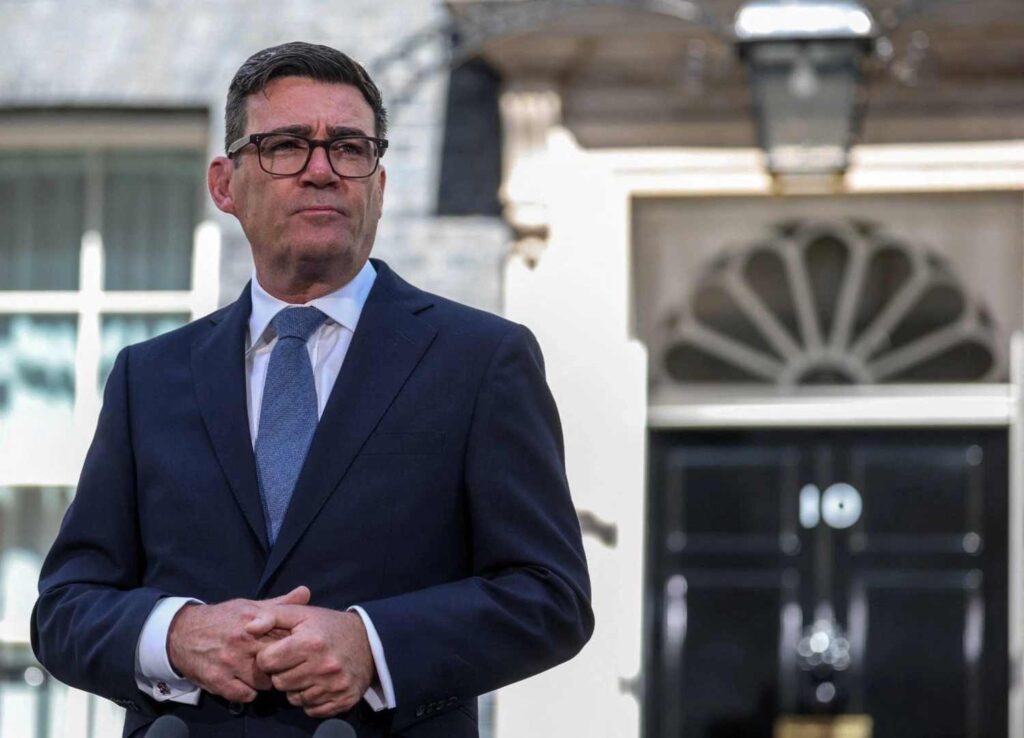
There is a moment in every nation’s story when the air changes. The streets feel different. The voices in the pubs and cafes rise with expectation. People begin to believe that something old and broken is about to be replaced by something fresh and honest. That moment has arrived again in the United Kingdom. The latest leader is Andy Burnham. He takes charge amid a long history of British leadership failures, and the country is watching. The promise is change. The hope is renewal. But the path that has been chosen looks familiar. It stays on Starmer’s course.

A Nation Weary of Broken Promises
Britain has seen leaders come and go. Some arrived with grand visions. Others entered office with quiet confidence. Yet the pattern remains. Promises are made on the steps of Downing Street, and then the machinery of power swallows those promises whole. The public has grown weary. Trust has been replaced by a patient, tired skepticism. When Andy Burnham stepped forward, there was a flicker of something different. He did not look like the polished Westminster insider. He spoke like someone who had spent years listening to ordinary people. He talked about housing, about health, about the dignity of work. He made people feel that the country might finally be governed for them.
But change is never as simple as a new face. The political system in Britain has deep roots. Those roots are tangled, old, and resistant to disturbance. A leader can stand at the podium and promise to turn the page, yet the book remains the same. The question that follows every new leader is not whether their words are sincere. The question is whether they have the will to break with the structures that have failed so many before them. Burnham’s task is immense. He must convince a skeptical nation that he is not another chapter in a long history of failure.
The New Leader and the Old Hand
Andy Burnham has long been one of the most recognizable figures in British public life. He has served in government, led a major city region, and earned a reputation as a man of the people. His style is different from the sterile, scripted manner of many modern politicians. He wears his emotions closer to the surface. He knows what it means to stand in a hospital waiting room or watch a child struggle with the cost of living. Those experiences have given him a language that connects. When he says he will change things, many want to believe him.
Yet there is a shadow over his ambition. Starmer’s course is not easily abandoned. Keir Starmer built a careful political project, one that sought to reassure business, steady the economy, and distance itself from the turbulence of past leadership. It was a strategy of caution. It won elections, but it did not always win hearts. Burnham’s challenge is to honor the best parts of that strategy while moving beyond its limits. He cannot simply reject the previous leadership without losing the stability that has been restored. He cannot fully embrace it without becoming another echo of the same disappointment. The balance he must strike is delicate.
Keeping Starmer’s Course
The phrase keeping Starmer’s course carries a complex meaning. For some, it is a sign of wisdom. The country does not need another revolution. It needs steady hands. It needs time to heal from the shocks of recent years. In this reading, Andy Burnham is the inheritor of a cautious stability, a man who will continue to rebuild trust and repair public finances. He will not make promises he cannot keep. He will not tear down the house while it is still being repaired. That is the conservative reading of his leadership, and it has its merits.
But for others, the same phrase is a warning. It suggests that nothing will truly change. The same advisers will remain. The same policies will continue. The same cautious language will fill the same parliamentary halls. The public wanted something new. They wanted a leader who would pull the system from its moorings and force it to serve the many, not the few. If Burnham simply becomes a continuation of Starmer with better speeches, the cycle of disappointment will not be broken. He will be remembered as another name in a long list of leaders who promised change and delivered continuity.

A Long History of British Leadership Failures
It is impossible to understand Burnham’s task without looking backward. British leadership has been marked by a strange mixture of confidence and collapse. The empire once ruled much of the world, but the political culture that emerged from that empire struggled to adapt. Postwar governments promised a new Britain, yet the country found itself slipping into decline. The 1970s brought economic crisis and strikes. The 1980s brought radical reform and deep inequality. The 1990s brought attempts at modernization, followed by the wars and financial shocks of the 2000s. Each leader inherited the mistakes of the last. Each left behind new problems for the next.
The pattern is not just political. It is cultural. British leadership has often valued image over substance. The ability to perform well at the dispatch box has mattered more than the ability to improve the lives of ordinary citizens. Leaders have surrounded themselves with media advisers. They have reduced politics to slogans. They have avoided difficult choices until the choices made themselves. The result is a nation that has become wary of grand promises. When a new leader arrives, the first reaction is not hope. It is memory. The memory of all the leaders who came before, all the words spoken, all the promises forgotten.
This is the burden Andy Burnham now carries. He must stand in a long line of British leaders and prove that he is different. The odds are not in his favor. History whispers that leaders are shaped by the system, not the other way around. Yet there is something in Burnham’s manner that makes the impossible seem possible. He has resisted the usual careerist path. He has been willing to fight for the North, a region that has often been ignored by London. He has shown a moral clarity that is rare in modern politics. Whether that clarity can survive the pressure of national leadership remains to be seen.
The Weight of the Moment
Everyone wants a hero. The British public wants a leader who can speak plainly, act boldly, and listen deeply. They want someone who understands that politics is not a game of party loyalty but a matter of life and death. Andy Burnham has the opportunity to be that person. He has the visibility, the voice, and the political skill. But opportunity is not destiny. The system will try to absorb him. The media will try to shape him. The party machinery will try to control him. His response to those pressures will define his leadership.
There is also the question of time. Leadership failures in Britain have often been failures of patience. Governments that started with energy became exhausted after a few years. They lost touch with the people who elected them. They became defensive, inward looking, and detached. Burnham must avoid that path. He must find a way to keep the energy of his early leadership alive, to remain connected to the streets and estates that raised him into public life. He must be willing to make enemies when necessary. He must be willing to disappoint the powerful in order to serve the many.
A Promise That Must Become More Than Words
The country has heard enough speeches. What it needs now is action. Andy Burnham has promised change. That promise will be measured in hospital waiting times, in affordable homes, in secure jobs, in streets that feel safe. It will be measured in the way the government responds to crisis and the way it treats the most vulnerable. It will be measured in the quiet moments when no cameras are watching and leaders must decide what kind of nation they truly want to govern.
He cannot simply keep Starmer’s course and expect history to forgive him. The course must evolve. It must learn from the failures of the past and embrace the demands of the present. It must be willing to take risks and to challenge the assumptions that have held Britain back. Keeping the best of the previous leadership does not mean locking the country into the same direction. It means carrying forward the lessons while opening new roads. That is the only way to write a different story.
The Age of Accountability
There is a deeper shift happening in British politics. The public is no longer willing to accept empty gestures. Social media has made every leader transparent. Every contradiction is exposed. Every promise is recorded. The age of accountability has arrived, and it will not be kind to those who try to repeat the old patterns. Andy Burnham appears ready for that age. He is a modern communicator. He understands the language of the young and the anxieties of the old. He seems comfortable with scrutiny. But comfort is not enough. The test will come when the first major crisis arrives and he must choose between political safety and moral courage.
The hope of the nation rests on that choice. There are many who believe Burnham is the one who can break the cycle. There are others who have seen too much to trust another leader. Both sides are watching. The difference between them is not belief. It is experience. Those who have watched British leaders fail for decades know that hope is dangerous. It can be exploited. It can be turned into another tool of manipulation. Burnham must respect that skepticism. He must prove, through consistency and humility, that he is not playing the old game.
Looking Ahead
The road ahead is uncertain. There will be victories and defeats. There will be days when the weight of the office seems unbearable. There will be moments when even the most committed leader wonders whether change is possible. But this is the moment to remember why he entered public life. Not for power. Not for status. But for the chance to make things better. Andy Burnham has been given that chance. The country, battered by years of disappointment, is willing to listen. Whether he can turn that listening into trust is the great test of his leadership.
In the end, the story of a nation is the story of its leaders. Britain has known many kinds of leadership. It has known bold leaders and cautious leaders. It has known men and women who shaped history and those who were crushed by it. Andy Burnham now joins that story. He promises change. He inherits a course. The two must learn to live together, or one must win over the other. What matters most is not the promise itself, but what follows it. The nation is waiting. The world is watching. The old cycle may finally break, or it may quietly continue. The choice belongs to one man, but the consequences belong to everyone.
Conclusion
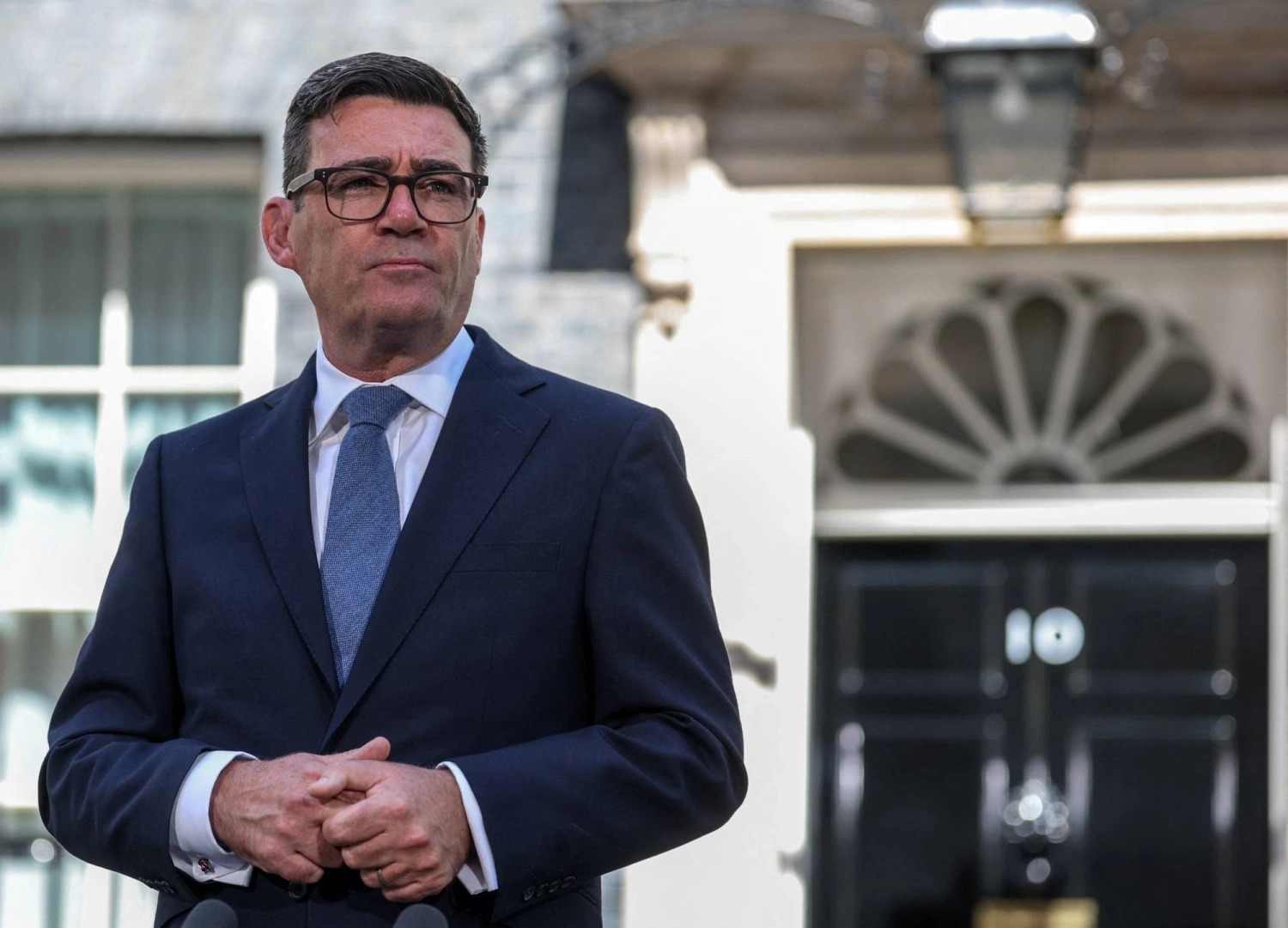
Change is never announced. It is earned. Andy Burnham has arrived at a crossroads where the expectations of the many meet the resistance of the old order. He has promised to lead, but he has also promised to follow the course set by Starmer. That contradiction is not a weakness. It is the reality of governing. The successful leader is not the one who makes the most noise during the storm. It is the one who finds a way to steer the ship through it. The history of British leadership failures is long and heavy. But history is not a sentence. It is a lesson. If Burnham can learn from it, if he can keep faith with those who need him most, then the promise of change may finally become something more than words. Let the story unfold.