Building Aid Bric By Bric
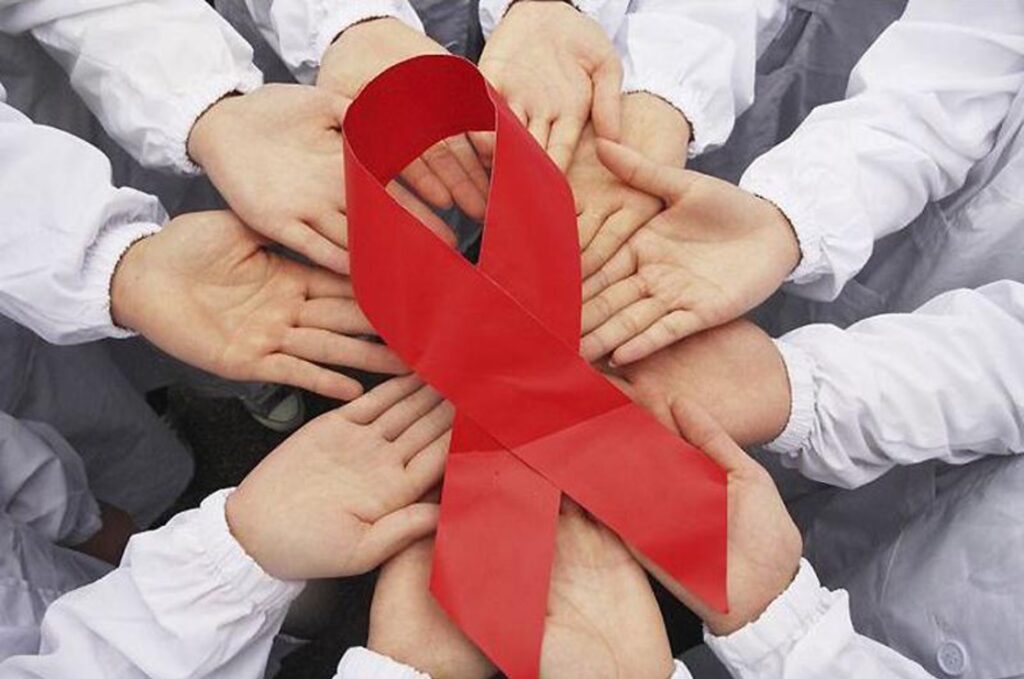
In the heart of Southern Africa, a quiet revolution is unfolding. For decades, South Africa has stood at the epicenter of the global HIV epidemic, home to over 8 million people living with the virus. The numbers are staggering: nearly 20% of the world’s HIV infections, with young women aged 15 to 24 accounting for a disproportionate share of new cases. For years, the fight relied on international donor funding, fragile supply chains, and medicines priced out of reach for many. But amid the struggle, a new hope has emerged not from the corridors of Washington or Geneva, but from the collective strength of nations determined to rewrite the rules of global health. BRICS Brazil, Russia, India, China, and South Africa is fast becoming an indispensable partner in South Africa’s pursuit of sustainable, affordable, and locally driven HIV prevention solutions. This is a story of bricks being laid, one by one, to build a future where prevention is not a privilege but a right.

The Power of Collective Action
BRICS is not just an acronym it is a testament to what can happen when countries with diverse resources and expertise unite for a common cause. For South Africa, the partnership has unlocked opportunities that were previously out of reach. India, the world’s pharmacy, has been instrumental in technology transfer for generic antiretroviral drugs. Companies like Cipla and Hetero have shared manufacturing know how, allowing South African firms like Aspen Pharmacare to produce affordable versions of tenofovir and dolutegravir. The result? The cost of a daily HIV prevention pill has dropped from over $20 per month to less than $5. China has invested heavily in local production facilities, building factories that can now produce condoms, lubricants, and rapid test kits in South Africa itself, eliminating import delays. Brazil has shared its renowned community health worker model, training thousands of South African nurses to deliver prevention services in townships and rural areas. Russian researchers are collaborating on clinical trials for long acting injectable PrEP, a game changer for those who struggle with daily pills. This is more than aid it is a blueprint for self reliance, built brick by brick through shared knowledge and pooled resources.

Local Solutions for Local Challenges
The key to sustainable HIV prevention lies not in handouts but in empowerment. South Africa’s unique challenges young women contracting HIV at alarming rates, deep seated stigma in communities, and a fragmented healthcare system that often fails to reach the most vulnerable demand solutions crafted by those who live them. BRICS partners have prioritized locally driven initiatives that respect culture and context. A South African biotech startup, supported by BRICS innovation funds, developed a rapid HIV test kit that works without refrigeration, perfect for mobile clinics traversing dusty roads. Community health workers, trained through BRICS exchange programs, now deliver prevention education in Zulu and Xhosa, breaking down language barriers and building trust. Affordability is the cornerstone of these efforts. By pooling procurement power across member nations, BRICS has negotiated prices for HIV prevention commodities that are 30% lower than global averages. Local manufacturing of pre exposure prophylaxis, or PrEP, has been scaled up in towns like Port Elizabeth, creating jobs and reducing dependence on imports. Stigma reduction campaigns, co designed with local activists, use radio dramas and community dialogues to tackle misconceptions. This is not charity it is solidarity, and it is working.
A Story of Hope: Real Impact
Let me tell you about Thandi, a 22 year old woman from Soweto. Two years ago, she enrolled in a BRICS supported PrEP program that offered free consultations, monthly deliveries to her door, and a supportive counsellor who spoke her language. Today, she is HIV negative and trains other young women to become peer educators, spreading the message that prevention is possible. Her story is not unique. Since 2020, South Africa has seen a 15% reduction in new HIV infections among young women, a statistic directly linked to BRICS backed prevention campaigns. In the Eastern Cape, a similar program reached over 50,000 adolescents with comprehensive sexual education and free access to condoms and PrEP. The numbers are promising, but the real change is in the eyes of the people communities no longer see HIV as a death sentence but as a manageable condition. BRICS has provided not just medicines but dignity, empowering individuals like Thandi to take control of their health. The human impact is tangible: fewer orphans, more young people staying in school, and a generation that can dream of a future without the shadow of HIV.
Looking Ahead: The Road to 2030
The journey is far from over. South Africa has committed to the UNAIDS 95 95 95 targets by 2030: 95% of people living with HIV knowing their status, 95% on treatment, and 95% virally suppressed. Prevention is the linchpin of this goal. BRICS continues to evolve, with recent expansion to include Iran, Egypt, Ethiopia, and the United Arab Emirates, bringing new perspectives and resources. The focus is now on next generation prevention tools, like vaginal rings, microbicide gels, and implantable devices that provide long term protection. Research partnerships are exploring how to integrate HIV prevention with sexual and reproductive health services, addressing the whole person. The partnership is also championing local production of vaccines, a lesson learned from the COVID 19 pandemic, to ensure that future breakthroughs are accessible. However, challenges remain: funding gaps, political instability in some member states, and the need for continuous political will. Yet, the foundation is strong. BRICS is building a future where every person, regardless of income or location, can access the tools to protect themselves. It is a future built brick by brick, by collective effort, and the mortar is trust.
Conclusion
In the story of South Africa’s fight against HIV, BRICS has emerged not as a distant donor but as a co architect of a new era of health sovereignty. The partnership proves that when nations collaborate on equal footing, sustainable solutions are possible. The bricks being laid today will support generations to come. For South Africa and for the world, the message is clear: together, we can build a future free from HIV. The time to act is now, and the blueprint is already in our hands. Building aid, brick by brick, is not just a metaphor it is a reality in the making.