Are Europe’s Citizens Ready for War? NATO Military Committee Chair Sounds the Alarm
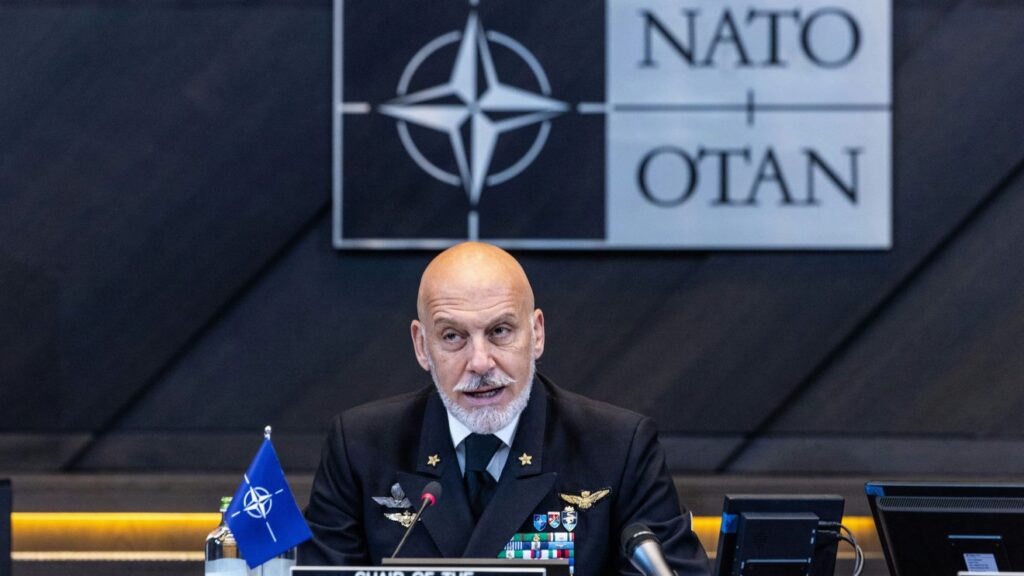
Imagine a quiet Sunday morning in a small European town. Children laugh in the park, coffee shops hum with chatter, and the scent of fresh bread wafts from a bakery. It is a scene of peace, of normalcy. Yet, halfway across the continent, inside the fortified walls of NATO’s headquarters, a stark warning has been issued: Europe’s citizens are not prepared for war, and what is more, they do not want to go to war. This is not the rhetoric of alarmists, but the sober assessment of Admiral Rob Bauer, Chair of the NATO Military Committee. His call for national defense to include civilians marks a pivotal moment in the alliance’s history, one that demands we look beyond the battlefield and into the hearts and homes of everyday people.
The Uncomfortable Truth
The statement from the NATO Military Committee Chair is not a reflection of policy, but of reality. For decades, European nations have enjoyed the longest stretch of peace in modern history. The Cold War ended without a shot being fired in Europe’s heart, and the threats that followed seemed distant, confined to the mountains of Afghanistan or the deserts of the Middle East. But the landscape has shifted. The war in Ukraine, the rise of hybrid warfare, and the resurgence of great power competition have forced a reckoning. The old model of a professional, volunteer military is no longer sufficient. Admiral Bauer’s message is clear: national defense must become a part of every citizen’s life.

This call goes beyond simply expanding the armed forces. It envisions a society where every person, regardless of age or profession, has a role to play in deterring and surviving conflict. Civil defense, once a staple of the Cold War era, has been largely dismantled. Bomb shelters have been converted into parking garages. Emergency drills have been forgotten. The idea of a citizen soldier, or a civilian trained in basic first aid and survival, seems almost quaint. But the modern threat landscape demands a reset. The public must be reeducated about the nature of modern warfare, which includes cyberattacks, disinformation campaigns, and attacks on critical infrastructure. A prepared citizenry is the best defense against these invisible enemies.
A Historical Perspective
To understand the weight of this call, we must look back. During the height of the Cold War, countries like Sweden, Switzerland, and Finland maintained extensive civil defense systems. Sweden, in particular, had a total defense concept that integrated every aspect of society. Citizens were trained, shelters were built, and the entire nation was prepared to resist invasion. In many ways, that culture of preparedness acted as a deterrent in itself. An aggressor knew that occupying Sweden would be a nightmare of resistance, not just a military campaign.

Today, that legacy has faded. A generation has grown up without the threat of imminent war. The memory of conflict has been replaced by the comfort of European integration and the belief that peace is the natural order. This psychological shift is perhaps the greatest challenge. The public does not want to think about war, let alone prepare for it. The reluctance is not born of cowardice, but of a deep rooted belief that such horrors belong to another time. Yet, history does not move in a straight line. The peace we enjoy is a fragile construct, upheld by vigilance and readiness. The lessons of the past, from the fall of the Berlin Wall to the wars in the Balkans, remind us that stability can crumble quickly when nations are caught off guard.
The Reluctance of a Generation
Why are European citizens not prepared? The answer lies in a combination of psychological, political, and social factors. First, there is a profound sense of security that has been provided by NATO and the European Union. The idea of a full scale war in Europe seemed unthinkable until 2022. Even now, despite the war in Ukraine, many Europeans feel that it is a conflict that will remain contained. The distance is both geographic and mental. Second, there is a cultural aversion to militarism. In many European countries, especially those with a history of totalitarianism, the concept of a highly militarized society evokes uncomfortable memories. The fear is that preparing for war might actually lead to war, a dangerous self fulfilling prophecy. 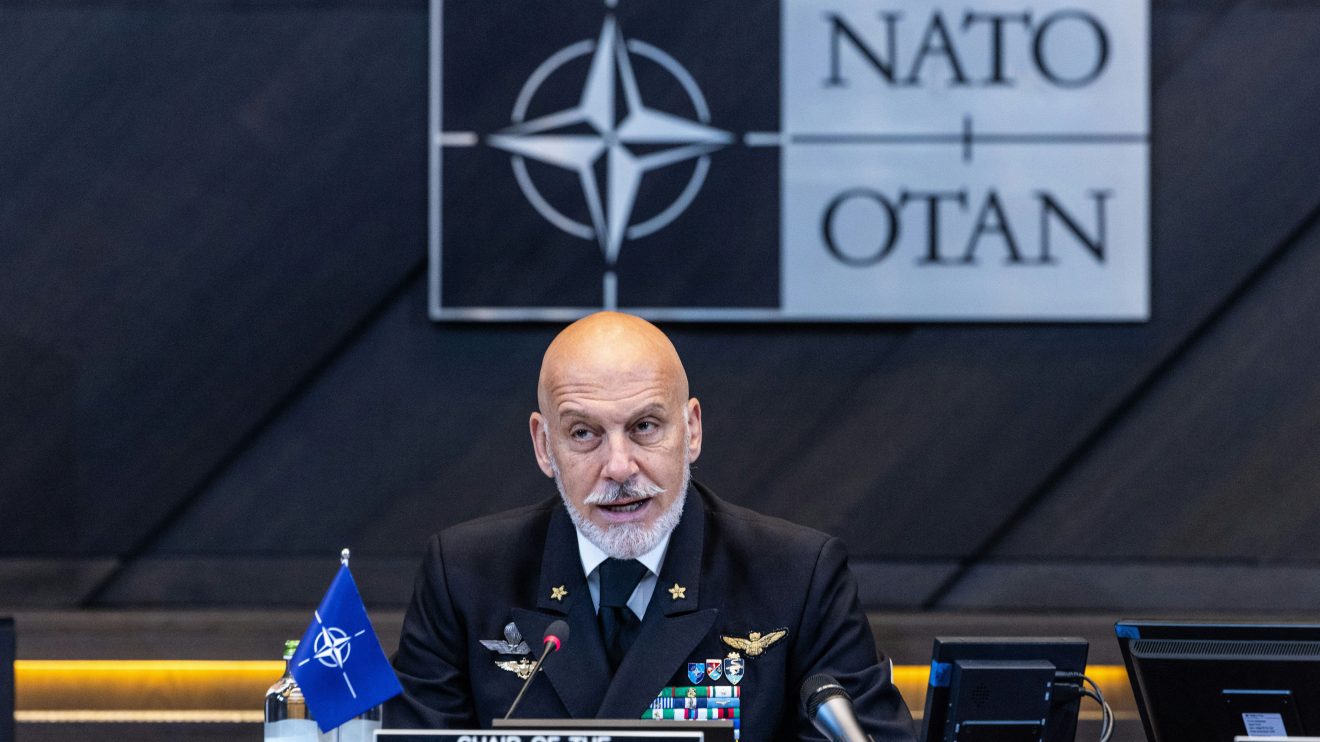
Furthermore, the political will to impose mandatory national service or civilian training is low. Governments are hesitant to ask citizens to sacrifice time and comfort. The economy demands a flexible workforce, and the idea of requiring young people to spend months in training is seen as an impediment to progress. Yet, the Chair of the NATO Military Committee argues that this must change. He warns that the current attitude is a vulnerability that adversaries can exploit. A population that is unwilling to fight or support a war effort is a population that can be intimidated, divided, and ultimately conquered without a single shot. The reluctance is not just a policy problem; it is a strategic vulnerability.
What Needs to Change: Total Defense
The concept of total defense is not new, but it is urgently relevant. It means that every element of national power, from the military to the economy to the civilian population, must be organized to support national security. This includes cyber defense, critical infrastructure protection, medical readiness, and psychological resilience. It means that citizens must be educated about the threats they face, and trained in basic skills such as first aid, emergency communication, and even marksmanship in some cases. It is not about turning society into an army, but about creating a resilient population that can withstand and respond to shocks. The goal is to build a culture of preparedness, where every citizen understands their role in the security of the nation.
Several European countries are already moving in this direction. Sweden has reintroduced mandatory military service and is rebuilding its civil defense. Finland maintains a large reserve force and a culture of voluntary defense. The Baltic states have extensive training programs for civilians. But the challenge is scaling this to the entire continent, especially in nations like Germany, France, and Italy where the concept is less ingrained. The NATO Military Committee Chair is essentially calling for a cultural shift, a change in mindset that will take years to achieve. But it must start now, before the next crisis hits. The investment in civilian defense is not just about war; it also helps communities respond to natural disasters, pandemics, and other emergencies.
The Role of Modern Technology
Modern technology offers new tools for civilian defense. Smartphones can be used for emergency alerts, drones can assist in disaster response, and social media can be a powerful tool for information warfare and resilience. However, technology also introduces new vulnerabilities. Cyberattacks can cripple critical infrastructure, and disinformation can erode public trust. Preparing civilians for this new battlefield is just as important as traditional training. The future of defense is not just in tanks and jets, but in the collective awareness and preparedness of the people. Digital literacy and resilience against fake news must become part of the civilian defense curriculum. The line between civilian and soldier has blurred, and every citizen is now a potential target and a potential defender.
A Call to Action
The message from the NATO Military Committee Chair is a wake up call. It is not meant to scare, but to prepare. The cost of inaction could be catastrophic. In a world where conflicts can escalate quickly and unpredictably, the resilience of a nation depends on its citizens. Europe must begin a conversation about how to integrate civilians into national defense in a way that respects democratic values and individual freedoms. It is a delicate balance, but one that is necessary. Governments must invest in public education, infrastructure, and community training. Citizens must take personal responsibility for their own preparedness. The time to act is now, while we still have the luxury of peace.
As citizens, we must ask ourselves: are we ready? Do we know where the nearest shelter is? Can we provide basic first aid? Can we identify disinformation? These are not questions for the military alone, but for every person who calls Europe home. The NATO Military Committee Chair has issued his call. Now it is up to Europe’s citizens to answer. In the end, the strongest defense is not a wall or a weapon, but a united and prepared population that values its freedom enough to defend it.
In conclusion, the need for a comprehensive civilian defense strategy is not a sign of impending doom, but a prudent measure in an uncertain world. The peace we cherish is not guaranteed. It must be actively defended, not only by soldiers, but by every person who values it. The time to prepare is now, before the quiet Sunday morning is shattered. Let us heed the warning and build a future where resilience is a shared responsibility.