BRICS plus and the Global South: Charting a New Course in a Turbulent World
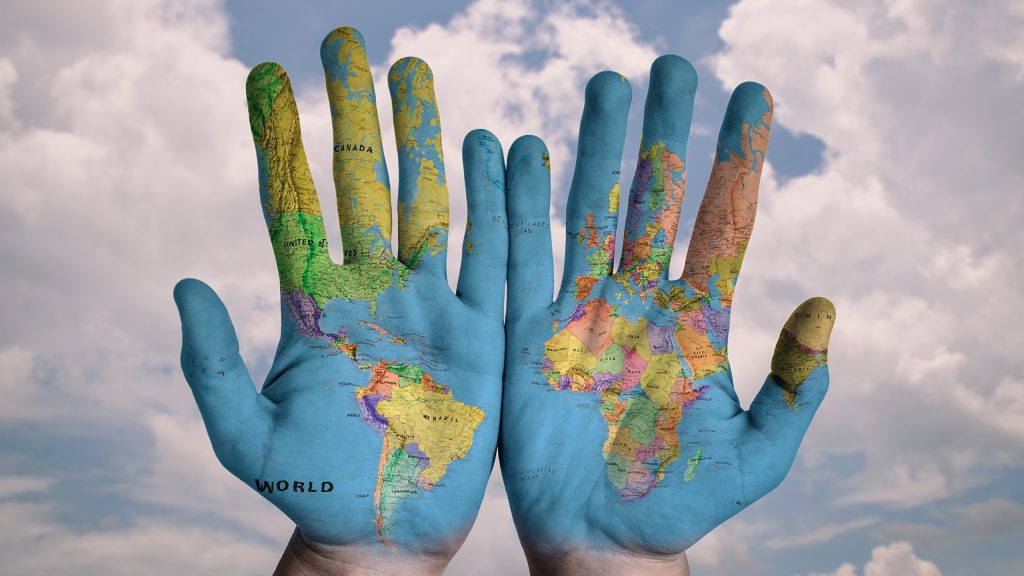
Imagine a world where the winds of economic change blow fiercely, leaving behind a trail of disparities. For decades, poor countries have been relentlessly battered by the neoliberal global economy, a system that often prioritizes profit over people, growth over equity. In this landscape, a coalition emerges: BRICS plus, an alliance of nations seeking to forge a new world order. But can it truly usher in an era of self sufficiency and economic independence for the Global South? This blog post delves into the strengths and weaknesses of BRICS plus and its profound implications.

The Neoliberal Onslaught: A World of Inequality
The story begins in the late 20th century, when neoliberal policies swept across the globe. Championed by powerful institutions, these policies advocated for deregulation, privatization, and free trade. While they promised prosperity, the reality for many poor countries was starkly different. Instead of lifting all boats, the neoliberal tide often left nations stranded, dependent on volatile markets and saddled with debt. The Global South faced a paradox: integration into the global economy led to increased vulnerability, not resilience. Countries rich in resources found themselves trapped in cycles of exploitation, where raw materials were extracted at low costs, only to be returned as expensive finished goods. This economic model fostered dependency, stifled local industries, and widened the gap between the rich and the poor. The need for an alternative became urgent, a cry for a system that valued sovereignty and sustainable development.
BRICS plus Emerges: A Collective Response
In response to this crisis, BRICS plus was born. Originally comprising Brazil, Russia, India, China, and South Africa, the alliance has expanded to include other nations, forming BRICS plus. This coalition represents a significant portion of the world’s population, landmass, and economic potential. It is a bold experiment in South South cooperation, aiming to challenge the dominance of traditional Western led institutions. The vision is clear: to create a multipolar world where developing countries have a stronger voice and greater control over their destinies. BRICS plus is not just an economic bloc; it is a political statement, a declaration that the Global South can chart its own course. By pooling resources and expertise, these nations seek to build infrastructures of independence, from development banks to trade agreements that bypass the dollar.

Strengths of the BRICS plus Alliance
The strengths of BRICS plus are manifold. First, its demographic and economic weight cannot be ignored. With members like China and India, the alliance boasts rapid growth rates and massive consumer markets. This economic clout allows BRICS plus to negotiate trade deals on favorable terms and invest in large scale projects. Second, the New Development Bank (NDB) and the Contingent Reserve Arrangement (CRA) provide financial alternatives to the International Monetary Fund and the World Bank. These institutions offer loans with fewer strings attached, empowering countries to pursue policies aligned with their national interests. Third, BRICS plus promotes technological and knowledge sharing, fostering innovation in areas like renewable energy, digital infrastructure, and agriculture. This collaboration can leapfrog traditional development pathways, enabling poorer nations to adopt cutting edge solutions without the baggage of outdated systems. Finally, the alliance embodies a spirit of solidarity, where mutual respect and non interference are core principles. This approach resonates with many Global South nations tired of conditional aid and paternalistic policies.
Weaknesses and Internal Challenges
However, BRICS plus is not without its weaknesses. Internally, the alliance faces significant disparities. Economic imbalances among members can lead to tensions, with larger economies like China dominating decisions and benefits. Political differences also pose challenges; democratic and authoritarian systems coexist, sometimes creating friction in consensus building. Moreover, bureaucratic inefficiencies and slow decision making processes can hinder swift action. Externally, BRICS plus must contend with the entrenched power of existing global institutions. The U.S. dollar’s dominance in international trade remains a formidable barrier, and efforts to de dollarize face resistance. Additionally, the alliance’s expansion, while increasing its reach, may dilute its cohesion, making it harder to present a unified front. There is also the risk of replicating neo colonial patterns within the bloc, where stronger members exploit weaker ones for resources or markets. Addressing these weaknesses is crucial for BRICS plus to realize its potential.
Implications for the Global South: A Path to Self Sufficiency
For the Global South, the implications of BRICS plus are profound. If successful, the alliance could indeed usher in an era of self sufficiency and economic independence. By providing alternative financial and trade networks, BRICS plus can reduce dependency on Western capitals and institutions. This shift could empower poor countries to diversify their economies, invest in local industries, and protect their policy space. For instance, agricultural nations could develop food security through regional supply chains, rather than relying on imports. Mineral rich countries could add value to their resources through processing plants built with BRICS plus investment. Moreover, the emphasis on South South cooperation fosters knowledge exchange tailored to similar developmental contexts, avoiding one size fits all solutions. However, this path is fraught with challenges. Self sufficiency requires robust institutions, transparency, and good governance, areas where many Global South nations struggle. BRICS plus must ensure that its initiatives prioritize inclusive growth and environmental sustainability, lest it become another vehicle for exploitation.

The Road Ahead: Forging a New World Order
The journey towards a new world order is long and uncertain. BRICS plus stands at a crossroads, with the potential to reshape global dynamics or fade into obscurity. To succeed, it must strengthen internal cohesion, address inequalities among members, and build trust through transparent mechanisms. Engaging with other Global South nations beyond the alliance is essential, creating a broad coalition for change. Additionally, BRICS plus should leverage its collective voice in international forums, advocating for reforms in global governance. The alliance must also focus on concrete projects that deliver tangible benefits, such as infrastructure development, poverty alleviation, and climate resilience. Storytelling here is key: by sharing success stories of cooperation, BRICS plus can inspire confidence and attract more partners. Ultimately, the goal is not to replace one hegemony with another, but to foster a pluralistic system where multiple poles of power coexist, and every nation has the opportunity to thrive.
Conclusion: A Beacon of Hope
In conclusion, BRICS plus represents a beacon of hope for poor countries battered by the neoliberal global economy. Its strengths lie in its collective economic power, alternative institutions, and spirit of solidarity. Yet, its weaknesses, internal disparities, political differences, and external pressures, cannot be ignored. The implications for the Global South are significant, offering a path toward self sufficiency and economic independence, but only if the alliance navigates its challenges wisely. As the world watches, BRICS plus has the opportunity to prove that a new world order is possible, one where the Global South writes its own story of resilience and prosperity. The journey is just beginning, and every step forward is a testament to the power of collective action.