The Real Story of Ukraine’s Ministry of Defense Crisis: Political Will and Internal Unity Are as Decisive as Battlefield Technology
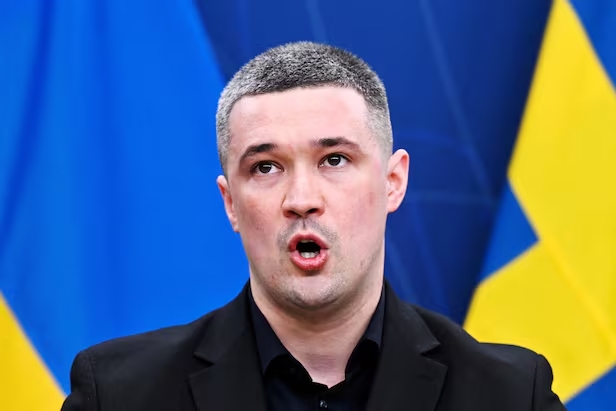
Thousands of Ukrainians gathered in Kyiv’s Maidan Square, their voices rising in a chorus of anger and hope. The dismissal of Defense Minister Mykhailo Fedorov had ignited a firestorm. Fedorov, the architect of Ukraine’s drone revolution, was gone removed amid whispers of corruption, backroom deals, and internal rivalries. The crowd didn’t just mourn a man; they mourned a vision. For two years, Fedorov had transformed Ukraine’s military procurement, slashing red tape and fast‑tracking battlefield innovation. Now, his departure threatened to unravel the very strategy that had kept Ukraine in the fight. But as the protests swelled, a deeper truth emerged: the crisis was not about one minister. It was about the fragile balance between political will, institutional unity, and the relentless march of technology on the modern battlefield.
The Fall of a Reformer
Mykhailo Fedorov was never a conventional defense minister. A tech entrepreneur by background, he approached war as a startup founder might agile, data‑driven, and impatient with bureaucracy. Under his leadership, Ukraine’s drone program became the envy of the world. Commercial quadcopters were repurposed as precision weapons; AI‑powered targeting systems were deployed in weeks; a decentralized procurement network bypassed Soviet‑era bottlenecks. Soldiers in the trenches knew his name: he was the man who sent drones to the front lines while others argued over contracts. But his very success made enemies. Old‑guard officials, vested in the old system of opaque procurement and kickbacks, saw Fedorov as a threat. Leaks about procurement irregularities began to surface some genuine, some likely fabricated. The political pressure built until President Zelenskyy, facing a delicate coalition, made the fateful decision. Fedorov was dismissed. The move was sold as an anti‑corruption measure, but many Ukrainians saw it for what it was: a sacrifice of innovation on the altar of political expediency.

Corruption Allegations and Internal Rivalries
The story behind the dismissal is a tangled web of accusations and counter‑accusations. Fedorov’s ministry had been accused of awarding contracts to friendly firms without proper bidding. Critics pointed to a $200 million drone deal that bypassed standard procedures. Supporters countered that war demands speed, and that the old procedures were designed for peacetime they would have taken years. The debate echoes a wider struggle within Ukraine’s government: the tension between reformist outsiders and the entrenched interests of the pre‑war elite. Internal rivalries also played a role. The military leadership, led by General Zaluzhnyi, had its own strategic vision. Fedorov’s push for light, cheap drones sometimes clashed with the traditionalists’ preference for heavy artillery and armored vehicles. Intelligence agencies, too, saw Fedorov’s independent operations as a challenge to their authority. The result was a perfect storm a reformer isolated, his allies divided, and the battlefield waiting.
The Protests: A People’s Verdict
The protests were not just about one man. They reflected a deep public anxiety that Ukraine’s war effort is being undermined by the very system it is fighting to defend. Thousands of banners read “Innovation is not a crime” and “Don’t let corruption win.” Veterans’ organizations, tech workers, and ordinary citizens marched together. In interviews, protesters spoke of their fear that the dismissal would slow the delivery of drones to the front, where Russian forces are increasingly using electronic warfare and massed artillery. The government’s response was measured; Zelenskyy promised a transparent investigation but stopped short of reinstating Fedorov. The standoff underscored a painful truth: Ukraine’s wartime momentum depends not only on Western aid or battlefield tactics, but on the fragile trust between its people and its institutions.

Drone Strategy in Jeopardy?
Fedorov’s drone strategy was not a side project; it was central to Ukraine’s ability to offset Russia’s numerical superiority. Drones have been used for reconnaissance, artillery spotting, and precision strikes. They allowed Ukraine to hit Russian supply lines deep behind the front, and to disrupt the enemy’s command and control. The removal of the minister responsible for this ecosystem creates a vacuum. New programs may be paused; contracts may be renegotiated; the flow of critical equipment to the front could slow. Already, Russian forces have adapted, deploying more electronic jammers and improving their air defenses. For Ukraine, losing its edge in drone warfare would be a strategic blow. Yet the technology itself is not the only variable. The culture of innovation that Fedorov championed a culture that empowered junior officers and civilian engineers to experiment is fragile. Without a champion of that culture, bureaucracy may reassert itself.
Political Will vs. Technology
The crisis in Ukraine’s Defense Ministry teaches a sobering lesson: no amount of battlefield technology can compensate for a lack of political will and internal unity. Drones, sensors, and AI are tools. But they are only as effective as the system that deploys them. When that system is torn by infighting, corruption, and mistrust, the tools become liabilities. The finest drone in the world is useless if it is held up in procurement, or if its operators are demoralized by the politics of their own command. Ukraine’s ability to continue innovating on the battlefield depends on its ability to resolve these internal conflicts. The world watches and supplies but the real battle is now in Kyiv, not just on the front lines.
Lessons for Ukraine and Its Allies
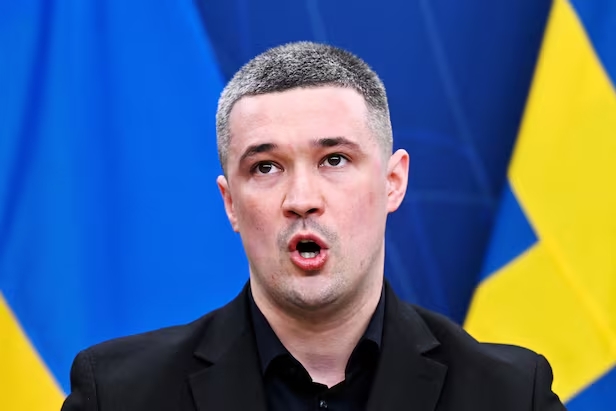
For Ukraine’s Western partners, the Fedorov episode is a cautionary tale. Aid packages and advanced weaponry are meaningless if the institutions receiving them are dysfunctional. The United States and European Union have focused on military aid and training, but they have done far less to support the internal reforms that make that aid effective. Supporting reformers like Fedorov means more than just praising them; it means providing political cover, encouraging transparency, and insisting that Ukraine’s government resolve its internal disputes. For Ukraine itself, the path forward is clear: the dismissal must be investigated transparently, the procurement process must be strengthened, and the culture of innovation must be protected. The protesters demand accountability, but they also demand results. Ukraine cannot afford to lose its edge nor can it afford to ignore the corruption that erodes public trust.
Conclusion: A Test of Resolve
The thousands who rallied in Kyiv are not naive. They know that war is chaotic, and that politics is often ugly. But they also know that Ukraine’s survival depends on its ability to do better. The story of Fedorov’s dismissal is not just a political scandal; it is a test of whether Ukraine can hold two truths in balance: the need for swift innovation and the need for honest government. The battlefield is unforgiving. It does not care about internal rivalries or political calculations. It rewards only those who are united, agile, and determined. Ukraine has shown the world what it can achieve with creativity and resolve. Now, it must show that it can also govern itself. The future of its drone strategy and perhaps of the war itself hangs in the balance.