Understanding Bangladesh’s Growing Strategic Relevance
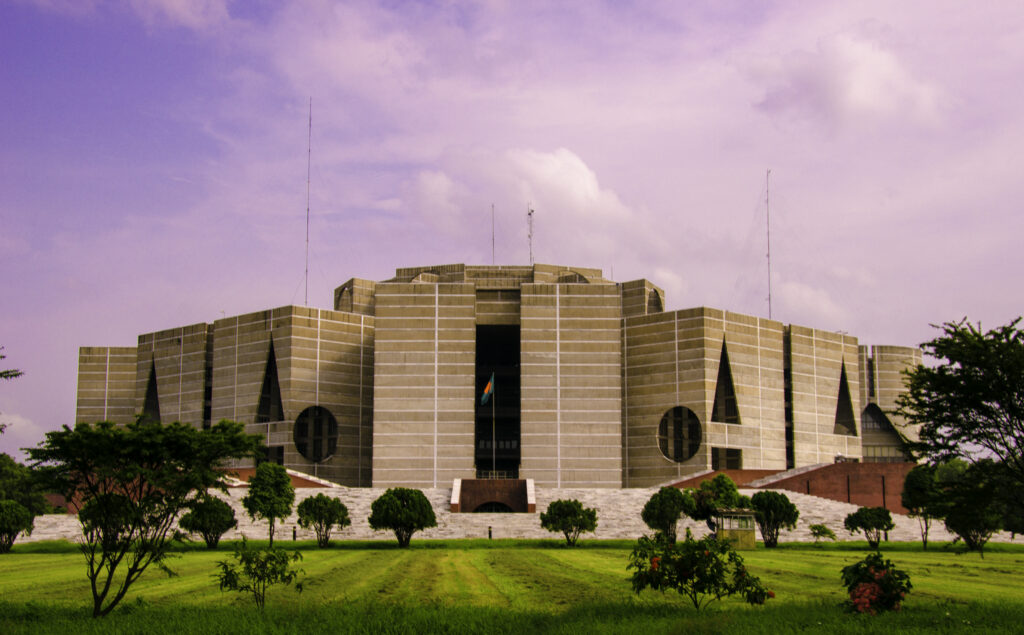
On a humid afternoon in Dhaka, the city buzzes with the familiar rhythm of rickshaws, street vendors, and the distant call to prayer. But beneath this everyday chaos, a quiet revolution is unfolding. Bangladesh, a nation often overshadowed by its larger neighbors, has begun to assert itself on the global stage in ways that few could have predicted just a decade ago. The recent news that Bangladesh has requested Russian support to join both the BRICS bloc and the Shanghai Cooperation Organisation (SCO) has sent ripples through diplomatic circles. This is not just a diplomatic maneuver; it is a signal of a country that is no longer content to be a passive observer in an evolving global order.

The Diplomatic Shift
To understand the significance of this move, we must first step back and look at the geopolitical landscape. For decades, Bangladesh relied heavily on traditional allies: India, the United States, and Western Europe. Its foreign policy was cautious, focused primarily on economic development and disaster relief. But the world has changed. The rise of China, the resurgence of Russia, and the fragmentation of the old unipolar system have created new opportunities for middle powers like Bangladesh. The request for Russian support to join BRICS and the SCO is a calculated bet on a multipolar future. It says that Dhaka is looking beyond the West, seeking partnerships that promise investment, technology, and a voice in global governance.
Why BRICS and SCO Matter
BRICS, originally a grouping of Brazil, Russia, India, China, and South Africa, has expanded to include new members like Iran, Egypt, Ethiopia, and the United Arab Emirates. The SCO, meanwhile, is a security and economic organization that brings together China, Russia, and Central Asian states, with India and Pakistan as full members. For Bangladesh, joining these blocs means access to alternative financial systems, such as the New Development Bank, and a platform to discuss regional security issues, from terrorism to border disputes. It also means aligning with nations that share a vision of a world less dominated by the US dollar and Western institutions. This is not an anti Western stance; it is a pragmatic diversification of options.
The Russia Connection
Bangladesh’s relationship with Russia dates back to the Soviet Union’s support during the 1971 Liberation War. Yet in recent years, ties had cooled. Now they are warming again, driven by energy and infrastructure. Russia is building Bangladesh’s first nuclear power plant at Rooppur, a project that symbolizes technological trust. By asking Moscow to be its sponsor in BRICS and SCO, Bangladesh is signaling that it values this partnership. For Russia, which is under Western sanctions, Bangladesh offers a friendly port in South Asia. It is a mutually beneficial diplomatic dance. 
Domestic Implications
Back home, this foreign policy shift is not without controversy. Some analysts worry that too close a relationship with Russia and China could alienate the United States, which remains a crucial trade partner and source of remittances. Others point to the risk of getting caught in great power rivalries. But the government in Dhaka seems to believe that the rewards outweigh the risks. The economy, once dubbed a basket case, is now a rising star, with a thriving garment industry and a growing digital sector. To sustain this growth, Bangladesh needs new markets, new technologies, and new allies. BRICS and SCO could provide just that.
A Story of Ambition
Picture a young Bangladeshi entrepreneur in a tech startup in Dhaka’s Gulshan district. She is coding an app that could revolutionize rural healthcare. She doesn’t think about geopolitics, but the decisions made in distant capitals will affect her future. If Bangladesh joins BRICS, her access to Russian software, Chinese hardware, and Indian talent could widen. If it joins the SCO, cross border trade with Central Asia might become easier. Her story is the real reason behind the diplomatic moves. Bangladesh is not just seeking prestige; it is seeking opportunity for its 170 million people.
The Global Reaction
International response has been mixed. India, a key ally and neighbor, is watching closely. While New Delhi is a member of both groups, it also views Bangladesh’s growing closeness to China and Russia with some unease. The United States has not openly opposed the move, but it has emphasized the importance of maintaining democratic values and human rights. China and Russia, of course, have welcomed Bangladesh’s interest. For the developing world, Bangladesh’s journey offers a template: a small nation that leverages its strategic location between South and Southeast Asia, its demographic dividend, and its diaspora to navigate a shifting global order.
What Lies Ahead
The path to membership is not automatic. BRICS and SCO have their own criteria and internal politics. Bangladesh will need to demonstrate that it can contribute to security, trade, and diplomatic consensus. But the very act of asking is a bold statement. It tells the world that Bangladesh is ready to play a bigger role, to be a bridge between regions, and to help shape the rules of a new world. As the sun sets over the Bay of Bengal, the future looks uncertain but full of promise. Bangladesh’s growing strategic relevance is no longer a question; it is a fact. The only question is how far this journey will take it.