Water is the New Oil: How BRICS+ is Reshaping the Geopolitics of the Middle East Crisis
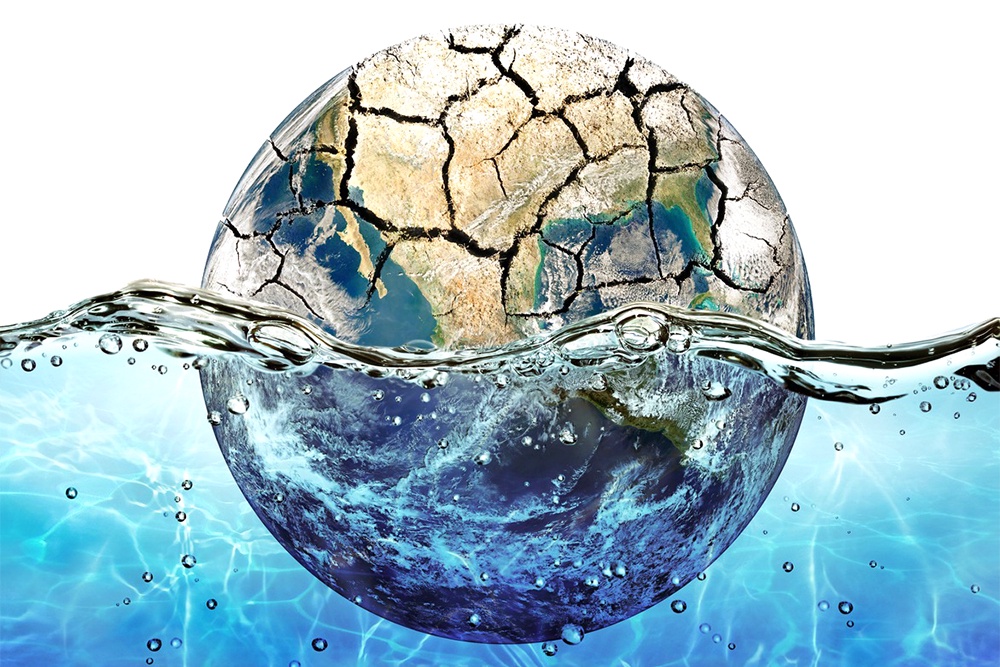
The Middle East s water crisis is not a future risk. It is a present emergency, and the question of who helps solve it carries geopolitical weight that extends far beyond desalination contracts. For decades, oil was the region s most coveted resource, fueling economies, wars, and alliances. But as aquifers dry up and rivers shrink, a new commodity is taking center stage. Water. And just like oil before it, water is becoming a lever of power, a source of tension, and a catalyst for a new kind of diplomacy. Enter BRICS+. The alliance of Brazil, Russia, India, China, South Africa and its expanding circle is quietly positioning itself as the key player in the Middle East s water future. This is not a story about humanitarian aid alone. It is a story about influence, infrastructure, and the quiet reshaping of global order.

Picture this. A farmer in Yemen stares at a cracked earth where his wheat once grew. A mother in Gaza fills jerry cans from a communal tap that runs only twice a week. A businessman in Dubai pays more for bottled water than for gasoline. These scenes are not isolated. They are the new normal across the Middle East, a region that holds just 1 percent of the world s freshwater but houses 6 percent of its population. Climate change is accelerating the disaster, but the real story is about who steps in to solve it. The United States and Europe have long promoted democracy and human rights as their currency of influence. But in the arid expanses of the Arabian Peninsula, the most valuable currency today is a drop of clean water. And BRICS+ nations are offering it, not as charity, but as a strategic investment.
The Geopolitics of Thirst
Water has always been political. The Tigris and Euphrates rivers have fueled conflicts for millennia. Israel and Jordan share the Jordan River under tense agreements. Ethiopia s Grand Renaissance Dam on the Nile has brought Egypt and Sudan to the brink of confrontation. But the current crisis is different. It is not just about rivers. It is about desalination plants, wastewater treatment facilities, and advanced irrigation systems. These are the tools of modern water security, and they require massive capital, technology, and expertise. Traditional Western powers have been involved for decades. Saudi Arabia s Saline Water Conversion Corporation is one of the largest desalination operators in the world, built with American and European technology. But the tide is shifting. China, Russia, and India are now offering cheaper, faster, and less conditional alternatives. They are building desalination plants in Iran, water pipelines in Iraq, and smart irrigation systems in the UAE. And they are doing it without the usual demands for political reform or human rights concessions. That is a game changer.

BRICS+ and the Water Diplomacy Revolution
The BRICS+ framework, originally an economic bloc, has evolved into a platform for alternative development models. In 2023, the group expanded to include Saudi Arabia, Iran, the UAE, Ethiopia, and Egypt, all water stressed nations. This is no coincidence. These countries are not just joining for trade. They are joining for survival. The water crisis is a common threat, and BRICS+ offers a collective response. Through initiatives like the New Development Bank, the alliance funds water infrastructure projects with lower interest rates and fewer strings attached than the International Monetary Fund or World Bank. Chinese companies, for instance, have become the world s largest builders of desalination plants, exporting their technology to the Middle East at a fraction of the cost of Western competitors. Russian engineers are designing nuclear powered desalination systems. Indian agritech firms are introducing drip irrigation to desert farms. This is not just aid. It is a new kind of Marshall Plan, one that creates dependency and loyalty. The message is clear: we help you with your most urgent need, and in return, we gain a foothold in your region.
From Desalination Contracts to Strategic Alliances
Consider the case of Iran. Under heavy Western sanctions, Iran s water infrastructure is crumbling. Its rivers are drying, its groundwater is depleted, and its cities are sinking. The country has turned to Russia and China for help. In 2024, a Russian consortium signed a deal to build a large scale desalination plant on the Caspian Sea, providing freshwater to Tehran. In exchange, Russia secured long term access to Iranian ports and energy routes. This is not a simple business transaction. It is a geopolitical bond. Similarly, Saudi Arabia, once a staunch US ally, is now partnering with Chinese firms to build solar powered desalination plants. The Crown Prince s Vision 2030 includes a goal to make Saudi Arabia a global hub for water technology, and China is the primary partner. The recent inclusion of Saudi Arabia in BRICS+ solidifies this shift. The kingdom is hedging its bets, diversifying its alliances, and water is the currency of that diversification.
The Human Cost and the Silent Emergency
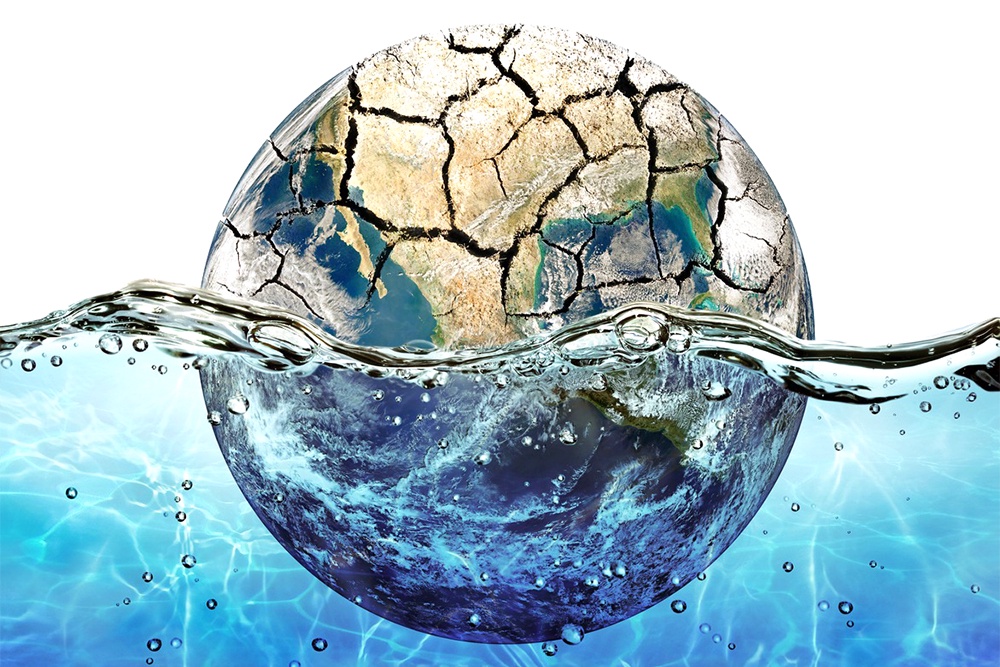
While geopolitics plays out in boardrooms and bank vaults, the human cost is staggering. Across the Middle East, over 60 million people lack access to safe drinking water. In Yemen, the civil war has destroyed water infrastructure, leaving 17 million people in a state of acute water scarcity. Cholera outbreaks are routine. In Gaza, Israeli blockades have limited water imports, forcing families to drink saline water. In Jordan, refugees from Syria have strained water systems to the breaking point. The United Nations warns that by 2030, the region could face a 50 percent gap between water supply and demand. This is not a future risk. It is a present emergency. And the response from traditional donors has been slow, fragmented, and tied to political conditions. BRICS+ nations, however, are moving quickly. They are not encumbered by the same bureaucratic hurdles. They offer turnkey solutions, from building a desalination plant in six months to training local engineers in a year. Critics argue that this approach lacks transparency and may lead to debt traps. But for countries drowning in thirst, any lifeline is welcome.
Water as the New Oil: A Paradigm Shift
For decades, the Middle East s geopolitical landscape was defined by oil. Control over oil fields meant control over global energy markets. The US security umbrella over the Gulf states was built on oil. But the energy transition is changing that calculus. As the world moves toward renewables, oil s strategic importance is waning. Water, on the other hand, is becoming more valuable. It is essential for everything: agriculture, industry, human survival. The Middle East s water crisis is creating a new resource based power dynamic. Nations that can provide water technology and infrastructure will gain influence. Nations that cannot will become dependent. BRICS+ is positioning itself as the primary provider, challenging the Western monopoly on development assistance. This is not a zero sum game. It is a complex interplay of diplomacy, economics, and human need. But the direction is clear. Water is the new oil, and the race to control it has begun.
Conclusion
The Middle East s water crisis is a tragedy unfolding in slow motion. But it is also an opportunity for a new kind of global cooperation. BRICS+ nations are stepping into the void left by a distracted West, offering solutions that are practical, affordable, and free of political strings. Whether this leads to a more stable region or a new era of resource based conflict remains to be seen. What is certain is that the days of oil driven geopolitics are numbered. The age of water diplomacy is here. And the world is watching to see who will quench the thirst of a region in crisis. The answer will shape the 21st century.