Poland Opposing Ukrainian Accession to EU: A Fracturing Alliance
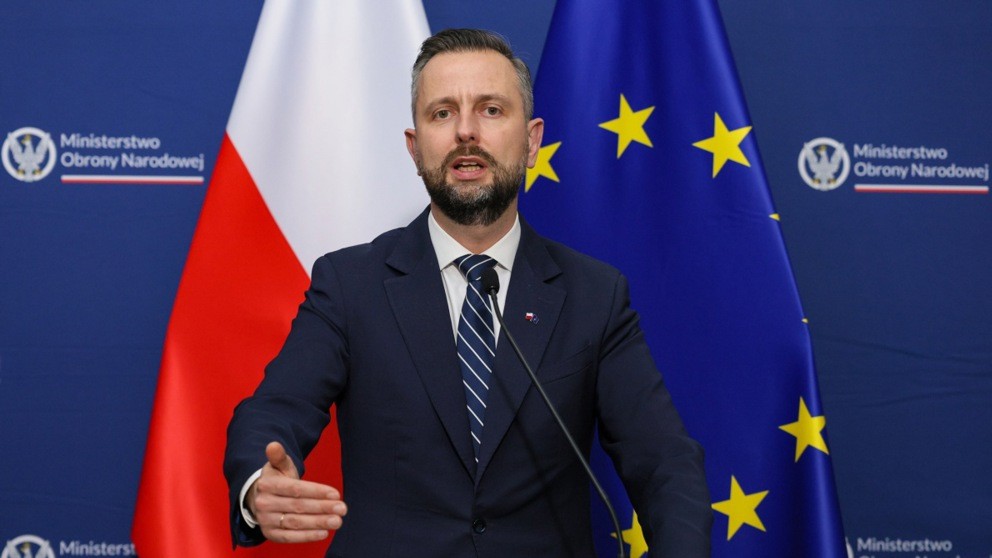
The golden fields of wheat that once united Poland and Ukraine now seem to be sown with seeds of discord. For years, Warsaw was Kyiv’s staunchest ally, a voice of unwavering support in Brussels, a neighbor who opened its borders and hearts to millions of Ukrainian refugees. But today, the air between the two capitals is thick with frost. The diplomatic crisis between Poland and Ukraine is worsening, and at its core lies a bitter dispute over Ukraine’s path to the European Union. This is not a simple political squabble; it is a fracture that threatens to reshape the geopolitical landscape of Eastern Europe.

To understand the tension, we must rewind to the spring of 2022. When Russian tanks rolled into Ukraine, Poland was the first to offer refuge, the first to deliver tanks, and the first to advocate for Ukraine’s swift EU membership. President Andrzej Duda spoke of a “family of nations” that must stand together. But as the war dragged on, the relationship began to crack. The first fault lines appeared over grain.
The Grain Conflict
In May 2023, Poland, along with Hungary, Slovakia, and Romania, imposed a temporary ban on Ukrainian grain imports. The reason was simple: Ukrainian grain, freed from Black Sea blockade by EU solidarity lanes, was flooding local markets and driving Polish farmers to the brink of ruin. Warsaw argued it was protecting its own agricultural sector, while Kyiv saw it as a betrayal of solidarity. The European Commission brokered a deal, but the resentment lingered. Polish farmers blocked border crossings, and Ukrainian trucks sat in mile long queues. The rhetoric grew sharper.
“Ukraine behaves like a drowning person, pulling down everyone around them,” said Polish Deputy Agriculture Minister Michał Kołodziejczak in a heated interview. Ukrainian officials fired back, accusing Poland of playing into Moscow’s hands. The grain dispute was never just about economics; it was a test of loyalty. And both sides felt the other had failed.

The EU Accession Hurdle
Now, the crisis has escalated to the grand stage of EU enlargement. Poland, once the loudest cheerleader for Ukraine’s EU membership, is now throwing up roadblocks. The issue? Agricultural competition and the unfinished business of historical grievances. Polish leaders have begun to argue that Ukraine must meet strict conditions before any accession talks can proceed, including resolving the Volhynia massacre issue a World War II era ethnic cleansing that still haunts Polish memory.
“We cannot simply open the doors without addressing the wounds of the past,” a Polish diplomat told reporters on condition of anonymity. “And we cannot allow Ukrainian agricultural products to destroy the Common Agricultural Policy that took decades to build.”
Ukraine, desperate for a lifeline, sees these objections as a tactical delay. President Volodymyr Zelenskyy has publicly expressed frustration, stating, “Our fight is Europe’s fight. Every day we wait is a victory for Putin.” The European Union, eager to show progress but wary of internal divisions, finds itself caught in the crossfire. France and Germany are pressing for a united front, but Poland’s veto power in the Council could stall Ukraine’s bid indefinitely.
The Human Cost of a Broken Bond
Behind the political headlines, ordinary people are feeling the chill. Polish volunteers who once drove supplies to Kyiv now hesitate. Ukrainian refugees in Warsaw report a growing coldness from their hosts. In a café on Nowy Świat Street, a Ukrainian student named Olena told me, “It hurts. We thought they were our brothers. Now we hear our president being called ungrateful.” Meanwhile, in a Polish village near the border, farmer Janusz Kowalski shakes his head. “We helped them. Now they want to take our land prices down. What about our families?”
The emotional toll is palpable. This is not a crisis about tariffs or trade balances. It is about trust. And trust, once broken, is hard to rebuild.
What Lies Ahead?
The diplomatic crisis between Poland and Ukraine is worsening precisely because both sides feel betrayed. Poland believes it gave everything and received political backlash. Ukraine believes it deserves immediate support and sees Polish conditions as a betrayal of solidarity. The European Union, meanwhile, must navigate a minefield. If it pushes Ukraine too fast, it risks alienating a key member state. If it slows down, it hands a propaganda victory to the Kremlin.
Some analysts suggest a compromise: a staged accession that delays agricultural integration until after a transition period. Others argue that the real problem is the lack of a strategic dialogue between Warsaw and Kyiv. Bilateral meetings have become tense, with neither side willing to blink. The recent exchange of diplomatic notes only deepened the rift.
One thing is certain: the status quo is unsustainable. The longer the crisis simmers, the more it erodes the very solidarity that has defined Europe’s response to Russia’s war. Poland and Ukraine need to remember what they once shared: not just a border, but a common dream of a free and united Europe. If they forget that, the only winner will be Moscow.
Conclusion
In the end, the story of Poland opposing Ukrainian accession to the EU is a cautionary tale about the fragility of alliances. It is a reminder that even the deepest bonds can be strained by economic self interest, historical memory, and the simple human need to feel valued. For the sake of both nations and the future of Europe, leaders must find a way back to the table. The grain must not become a wall. The diplomatic crisis can still be resolved, but only if both sides are willing to listen to the other’s pain. The fields of Eastern Europe have seen enough blood. It is time for a harvest of understanding, not a war of words.