Beyond the Handshake: NATO’s Ankara Summit Exposes a Transatlantic Rift
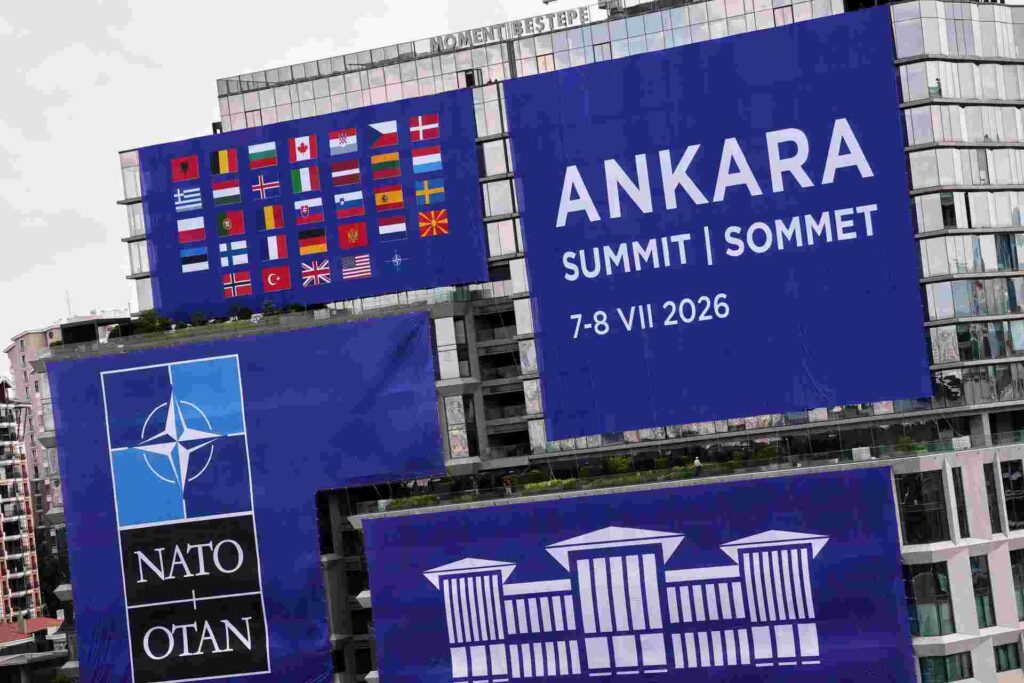
The crisp Ankara air carried the scent of pine and freshly brewed tea as limousines glided through the streets, depositing leaders in dark suits at the guarded gates of the presidential complex. Cameras flashed, hands were shaken, and rehearsed smiles were exchanged. It was a scene of unity, of alliance, of purpose. But beneath the polished veneer of the NATO summit in Turkey’s capital, a deeper chill had settled, one that no amount of diplomatic pleasantries could thaw. The United States and Europe, once bound by a common threat and a shared vision, were now drifting apart, their interests diverging like rivers after a drought. This meeting, meant to reaffirm the transatlantic bond, instead laid bare the fractures that threaten to reshape the world order. In the corridors of power, whispers spoke of disunity, of agendas clashing, and of a future where NATO’s collective might may no longer speak with one voice. The story of this summit is not one of harmony, but of a quiet struggle for the soul of the West.
A Meeting of Uneasy Allies
As the delegates took their seats around the massive oval table, the mood was tense. Turkish President Recep Tayyip Erdogan, the host, opened with a call for solidarity, reminding the assembly that NATO was founded on the principle of mutual defense, an attack on one was an attack on all. Yet the applause that followed was polite at best. Behind the scenes, the real conversations were happening in side rooms and over secret dinners. The United States delegation, led by the Secretary of State, pressed for a unified stance on China, urging allies to view Beijing as the primary strategic competitor. European leaders, however, had their eyes fixed firmly on the war in Ukraine, a conflict raging just beyond their borders. They wanted more resources, more focus, more commitment to defeating Russian aggression. The rift was not new, but it was widening, and Ankara became the stage where this drama unfolded.

The US Agenda versus European Priorities
The American position was clear: NATO must pivot to the Indo Pacific, where China’s growing military and economic power posed a long term threat. But for many European nations, particularly those in Eastern Europe, the immediate danger was Russia. The war in Ukraine had shattered the illusion of post Cold War stability, and they needed guarantees, not geopolitical realignment. The debate over defense spending further highlighted the divide. The United States has long called for members to allocate at least two percent of GDP to defense, a target that many European countries, including Germany and Italy, had struggled to meet. Now, with a potential second Trump presidency looming, European leaders feared that Washington might reduce its commitment to the alliance altogether. The summit’s joint communiqué tried to paper over these differences with vague language, but the underlying tensions were palpable.

Turkey’s Balancing Act
Ankara itself was a microcosm of the larger discord. As a NATO member with a unique geographical and cultural position, Turkey has long played the role of bridge and gatekeeper. But under Erdogan, the country has pursued an increasingly independent foreign policy, buying Russian S-400 missile systems and launching military operations in Syria that irked its allies. The meeting was also an opportunity for Turkey to push its own agenda: demanding more support for its fight against Kurdish militant groups and seeking to normalize relations with the European Union. However, the EU, wary of Turkey’s democratic backsliding, was in no mood to offer concessions. The summit became a stage for Turkey to assert its leverage, but also a reminder that even within the alliance, loyalty is conditional. The sight of Erdogan shaking hands with American officials belied the fact that Turkey had recently blocked Sweden’s NATO membership bid, a move that frustrated many in the room. The image of unity was a carefully constructed illusion. 
The Ghost of Past Conflicts
To understand the current disunity, one must look back at the history of the transatlantic relationship. The Suez Crisis in 1956, the Vietnam War, the Iraq War of 2003, and the Libya intervention all left scars. Each time, the United States and Europe had different visions, different priorities, and different outcomes. The Cold War’s unifying threat of Soviet expansion held the alliance together, but with that threat diminished, the cracks began to show. Today, the divide is not just about strategy but about values. European societies have grown more wary of military intervention, while the United States has embraced a more assertive, sometimes unilateral posture. The rise of populism on both sides of the Atlantic has further complicated matters, with leaders who question the very foundations of the alliance. The Ankara summit was haunted by these ghosts, as diplomats struggled to find common ground on issues ranging from climate change to trade tariffs.
Can NATO Survive Its Internal Erosion?
The question that hung over Ankara like a low cloud was whether NATO could withstand the centrifugal forces pulling it apart. The alliance has survived many crises before, but this one feels different. The war in Ukraine has actually reinvigorated NATO in some ways, with Finland and Sweden seeking membership and defense spending rising. But it has also exposed a deeper fragility. The United States is increasingly focused on competition with China, while Europe is consumed by the need to contain Russia. These are not mutually exclusive goals, but they require a recalibration of priorities that the alliance has yet to achieve. Meanwhile, the domestic politics of key member states are shifting. In the United States, the possibility of a second Trump presidency threatens to upend decades of foreign policy orthodoxy. In Europe, far right parties are gaining ground, some with openly pro Russian sympathies. The collective defense clause, Article 5, remains the bedrock, but its credibility depends on the political will of all members. If that will erodes, the alliance becomes a paper tiger.
As the summit in Ankara drew to a close, the leaders issued a final statement reaffirming their commitment to the alliance, to democracy, and to each other. The words were strong, but the mood was subdued. Outside the hall, journalists noted that no major breakthroughs had been achieved. The divisions remained, hidden beneath the surface but ever present. The story of NATO today is not one of triumph, but of a slow, painful reckoning. The transatlantic partnership, born in the ashes of World War II, is facing its greatest test since the Cold War. Whether it can adapt and survive will depend on the ability of leaders to look beyond their immediate interests and rediscover a common purpose. The Ankara summit may be remembered not for what it accomplished, but for what it revealed: an alliance struggling to hold itself together in a rapidly changing world.