Brazil’s Agricultural Ambitions: A New Fertilizer Frontier with Kazakhstan
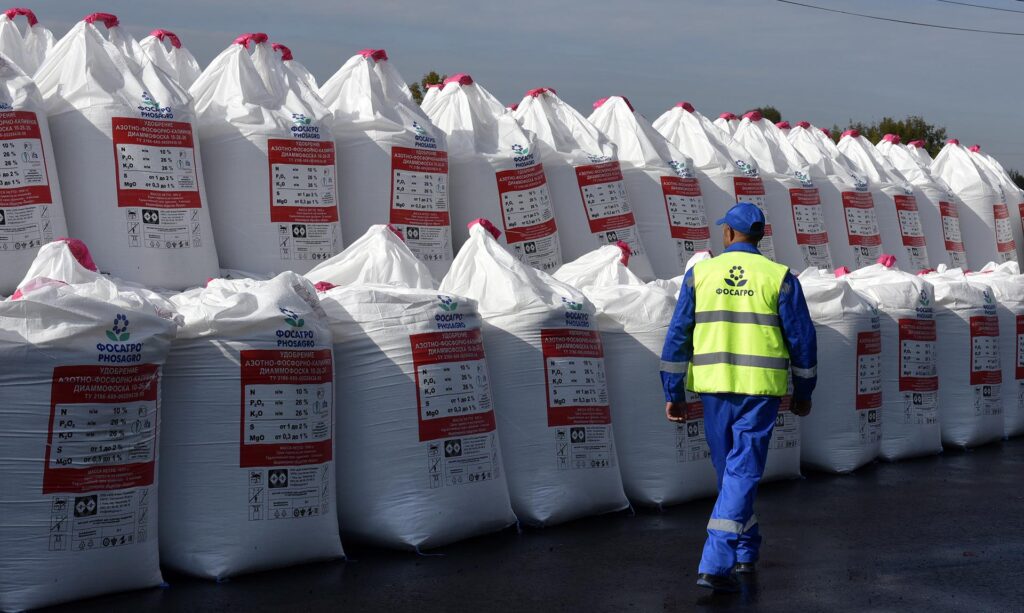
The sun rises over the vast soybean fields of Mato Grosso, Brazil. The golden light stretches across rows of crops that feed the world. Yet, beneath the soil, a quiet crisis brews. Brazil, one of the planet’s largest agricultural powerhouses, relies heavily on imported fertilizers to sustain its harvests. For years, that dependence has meant vulnerability – to geopolitical shocks, supply chain disruptions, and volatile prices. But a new dawn is breaking, and it comes from an unlikely direction: the steppes of Kazakhstan.
In a move that could reshape global fertilizer markets, Brazil has announced plans to significantly ramp up imports of Kazakh-produced fertilizers. This strategic pivot is not just about securing nutrients for the soil; it is about sovereignty, resilience, and the forging of a new economic partnership under the BRICS umbrella. The story of how two nations, separated by oceans and continents, are coming together to feed the world is one of ambition, necessity, and hope.

The Fertilizer Dependency Dilemma
Brazil’s agricultural miracle is undeniable. It is the world’s top exporter of soybeans, coffee, sugar, and orange juice. Yet this bounty comes at a cost. The country imports roughly 85% of its fertilizer needs, with a significant portion coming from Russia and Belarus. The war in Ukraine exposed the fragility of this dependency as sanctions and disruptions sent prices soaring. Farmers in the Cerrado and the Amazon fringes faced skyrocketing costs, threatening yields and livelihoods.
President Lula da Silva’s government recognized that relying on a single source was a recipe for disaster. Diversification became the rallying cry. And Kazakhstan, with its vast reserves of phosphate, potash, and nitrogen-based compounds, emerged as a natural partner. The Central Asian nation, landlocked but resource-rich, has been quietly expanding its fertilizer production capacity. Now, it is ready to step onto the global stage.

Kazakhstan: The Sleeping Giant of Fertilizers
Kazakhstan holds some of the world’s largest deposits of phosphate rock, particularly in the Karatau basin. It also boasts significant potash reserves in the western regions. For decades, these resources were underutilized, but a wave of investment and modernization has transformed the sector. Companies like Kazphosphate and EuroChem have built state-of-the-art plants, boosting output to meet both domestic and export demand.
The timing could not be better. Global fertilizer markets are in flux. Russia’s invasion of Ukraine has upended traditional trade flows, and countries are scrambling to secure alternatives. Kazakhstan offers a stable, politically neutral supply. Its location on the ancient Silk Road also provides logistical advantages. Rail links to China and ports on the Caspian Sea open routes to global markets, including Brazil via the Black Sea and Atlantic.
The partnership is not just transactional. It is embedded in the broader BRICS framework, which Brazil currently chairs. The two nations have signed memoranda of understanding on agricultural cooperation, and joint ventures are being explored. Brazilian companies are eyeing investments in Kazakh mining and processing facilities, while Kazakh exporters are tailoring products to Brazilian soil types and crops. It is a marriage of convenience and strategy. 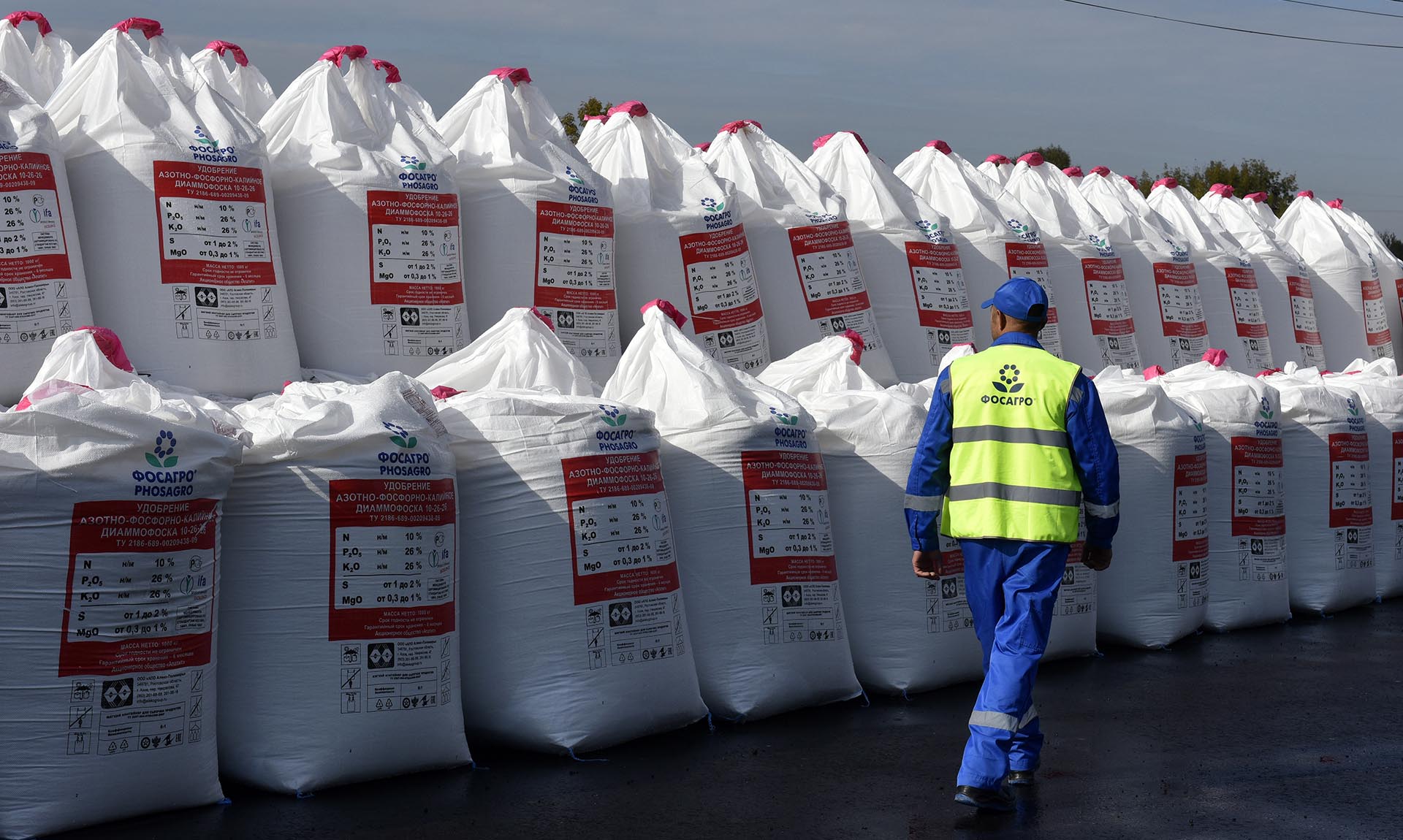
Logistics and the Long Road Ahead
Bringing Kazakh fertilizer to Brazilian fields is no simple feat. The journey spans over 10,000 kilometers, crossing multiple borders and seas. Yet, both sides are committed to making it work. Brazil is upgrading its port infrastructure, particularly in Santos and Paranaguá, to handle increased bulk shipments. Kazakhstan, meanwhile, is investing in rail capacity and expanding its fleet of specialized fertilizer carriers.
Shipping costs remain a challenge, but the volumes are promising. Initial pilot shipments of potassium chloride and monoammonium phosphate have already arrived at Brazilian ports, receiving high marks for quality. Agricultural cooperatives in Mato Grosso and Goiás have expressed interest in long-term contracts, lured by competitive pricing and the promise of supply security.
The environmental angle also adds appeal. Kazakh fertilizers are often produced with lower carbon intensity than those from traditional sources, thanks to the country’s abundant natural gas for nitrogen production and hydroelectric power for mining operations. For Brazilian farmers facing increasing pressure to decarbonize, this is a welcome bonus.
A New Chapter in South-South Cooperation
This partnership is more than a trade deal. It symbolizes a shift in global power dynamics. Developing nations are increasingly looking to each other for solutions to shared challenges. Brazil’s move to diversify fertilizer sources reduces its exposure to Western sanctions and Russian leverage. Kazakhstan gains a reliable, high-value customer and a foothold in Latin America.
Diplomats on both sides speak of a “fertilizer alliance” that could extend to technology sharing, research on soil health, and even joint climate initiatives. The Brazilian Agricultural Research Corporation (Embrapa) is already collaborating with Kazakh scientists on developing crops that thrive with fewer inputs. The synergy is palpable.
Looking Forward
The road ahead is long, but the seeds have been sown. If Brazil and Kazakhstan can scale up this partnership, it could transform the global fertilizer landscape. For Brazil, it means food security and a buffer against future shocks. For Kazakhstan, it means economic diversification and a place at the table of global agribusiness.
As the sun sets over the Kazakh steppes, a train loaded with granular urea rattles towards the Caspian. Its destination is a farm in the Brazilian heartland. In that connection, there is a story of resilience, of nations rewriting their futures, and of a world learning to grow together. The fertilizer frontier is open.