BRICS Tourism Market Booms: Set to Hit USD 8.3 Trillion by 2036
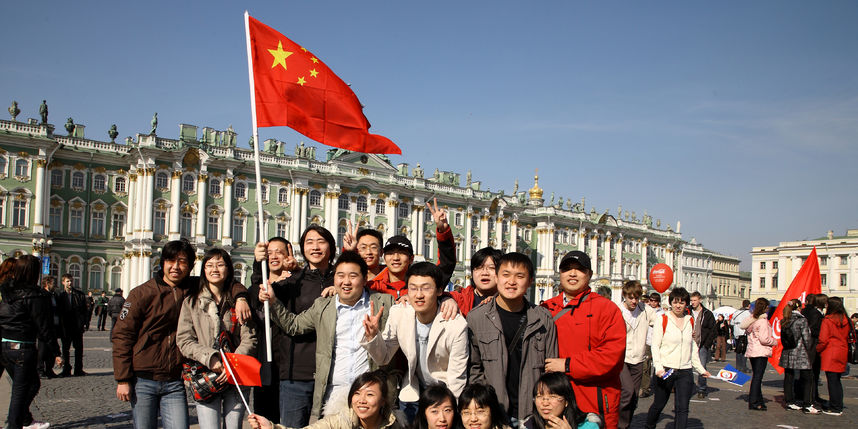
The sun rises over the ancient temples of Varanasi. In the distance, a young couple from São Paulo snaps a selfie against the golden horizon. Meanwhile, a businessman from Shanghai checks into a luxury lodge in Cape Town using a mobile app. These snapshots of modern travel are not isolated moments. They are part of a colossal shift. The BRICS tourism industry is not just growing. It is transforming into a powerhouse, with projections reaching a staggering USD 8.3 trillion by 2036.
According to the latest industry analysis by Future Market Insights FMI, the global BRICS tourism market is entering a phase of sustained expansion. Three major forces are fueling this journey: a surge in domestic travel, the rapid digitalization of booking platforms, and an ever growing interest in cultural and heritage tourism experiences. This is a story of connectivity, discovery, and economic renaissance.
The Rise of Domestic Travel
In Brazil, families are rediscovering the Amazon. In Russia, weekend trips to the Ural Mountains are becoming routine. Indians are flocking to the backwaters of Kerala. Chinese tourists are exploring the Gobi Desert. South Africans are embracing the Garden Route. Domestic tourism within BRICS nations is booming. Why? Because travel has become more accessible. Improved infrastructure, lower airfares, and a sense of national pride are driving people to explore their own backyards. FMI reports that domestic travel accounts for a significant share of the overall tourism revenue in these countries. This internal movement creates a ripple effect. It supports local businesses, preserves regional traditions, and reduces the carbon footprint of long haul flights. The domestic travel wave is the foundation upon which the trillion dollar market is being built.

Digitalization of Booking Platforms
Remember the days of calling a travel agent and waiting for a paper ticket? Those days are fading fast, especially in BRICS economies. The rapid digitalization of booking platforms is revolutionizing how people plan their trips. From mobile apps to AI powered chatbots, technology is making travel seamless. In India, platforms like MakeMyTrip and Cleartrip handle millions of bookings each month. In China, WeChat integrates travel services into everyday messaging. Russian platforms like Tutu.ru offer real time train and flight options. Brazilians use Decolar and OYO. South Africans rely on Travelstart. The digital shift is not just about convenience. It is about data. Travel companies can now personalize offers, predict demand, and manage resources efficiently. FMI highlights that digital platforms are expected to capture more than 60 percent of all BRICS tourism bookings by 2030. This digital backbone is accelerating growth, making travel faster, cheaper, and more inclusive.

Cultural and Heritage Tourism Experiences
Travelers are no longer satisfied with just beach resorts and all inclusive hotels. They crave authenticity. They want to walk through the Red Square in Moscow, taste street food in Mumbai, and listen to samba in Rio. Cultural and heritage tourism is the heartbeat of the BRICS travel boom. These nations are rich in history, art, and traditions. China’s Forbidden City, Brazil’s Carnival, Russia’s Hermitage Museum, India’s Taj Mahal, and South Africa’s Robben Island are global icons. But beyond the landmarks, there is a deeper trend. Tourists are seeking immersive experiences. They want to learn pottery from local artisans in a South African township or cook curry with a family in Jaipur. This shift towards experiential travel encourages longer stays and higher spending. The cultural tourism segment is projected to grow at a faster rate than traditional tourism within BRICS. Governments are investing in preservation and promotion. UNESCO World Heritage sites in BRICS countries are seeing record visitor numbers. This is not just tourism. It is a cultural exchange that fosters understanding and economic growth.
The Economic Impact and Future Outlook
The numbers are staggering. A market size of USD 8.3 trillion by 2036 means the BRICS tourism sector will likely become one of the largest economic drivers for the bloc. It will create millions of jobs, from hotel staff to tour guides, from app developers to airline crews. It will stimulate infrastructure development, including airports, railways, and smart cities. It will also promote cross border investment. Chinese firms are building resorts in Brazil. Indian hospitality chains are expanding into South Africa. Russian travel tech startups are partnering with Chinese platforms. The synergy is real. However, challenges remain. Sustainable tourism practices must be prioritized to protect fragile ecosystems and heritage sites. Political stability and visa policies will play a crucial role. Yet, the trajectory is clear. The BRICS tourism industry is on a rocket ship, fueled by domestic energy, digital innovation, and a thirst for authentic encounters.

A Story of Human Connection
At its heart, this is not just about money or markets. It is about people. A grandmother in Udaipur hosting a homestay. A young entrepreneur in São Paulo launching a travel app. A family from Shanghai discovering the beauty of the Cape Winelands. Every ticket booked, every flight taken, every story shared adds a thread to the vibrant tapestry of BRICS tourism. As the industry gears up to hit USD 8.3 trillion by 2036, it invites us all to be part of the journey. Whether you are a traveler, an investor, or simply a dreamer, the road ahead is bright. Pack your bags. The BRICS world is waiting.