Berlin Considers Resuming Mandatory Military Service: A Nation Divided
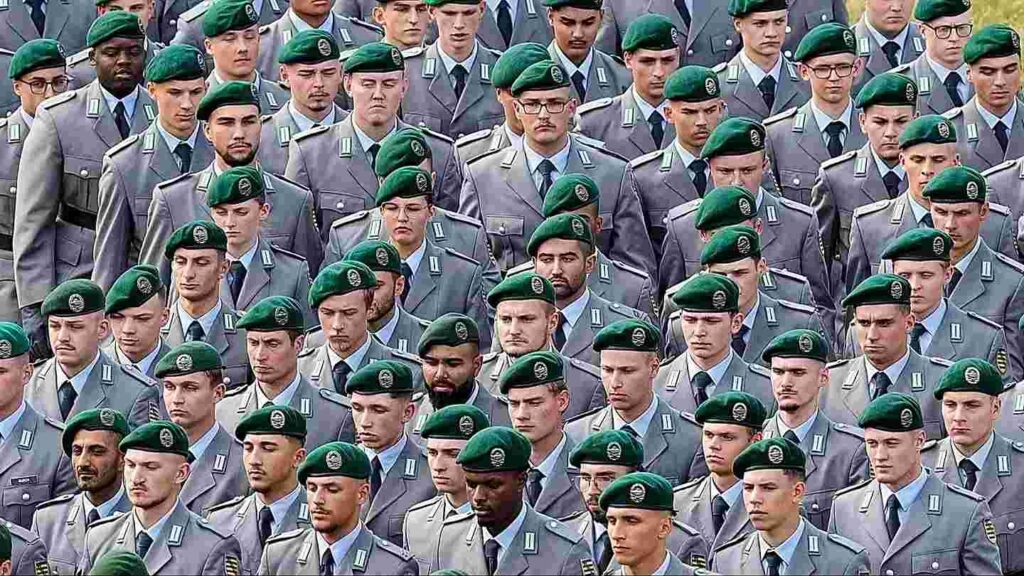
The morning air in Berlin carries a chill that seems to seep into the bones, but it is not the autumn wind that makes the city uneasy. It is a whisper, growing louder with each passing day, that the government is considering bringing back mandatory military service. For a generation raised on peace and reunification, the word conscription feels like a ghost from a past they thought they had buried. Yet here it is, knocking at the door, and the German people are not silent.

To understand the depth of the current debate, one must walk the cobblestones of history. Germany abolished mandatory military service in 2011, a decision that was celebrated as a final break with a militarized past. For decades, conscription had been a rite of passage for young German men, a symbol of national duty that carried the heavy shadow of the two world wars. The move to an all volunteer force was seen as a step toward a more modern, professional military. But now, as threats from the east and the need for collective defense under NATO grow, calls to revive the draft are echoing through the halls of the Bundestag.
I remember sitting in a coffee shop in Kreuzberg, overhearing a conversation between two friends. One said with frustration, ‘They want to take our sons and daughters and train them to kill. Is that the Germany we built?’ The other replied calmly, ‘But if we do not defend ourselves, who will?’ That tension, that raw split between pacifism and pragmatism, is the heartbeat of this story.
The Proposal and Its Critics
The proposal being floated by some politicians is not yet a full blown law, but it is gaining traction. The idea is to reintroduce a form of national service, either military or civilian, for both men and women. Supporters argue that it would bolster the Bundeswehr’s dwindling ranks, create a sense of shared civic duty, and prepare the country for potential crises. But the German people have reacted with skepticism and outright anger. Protests have erupted in major cities, with banners reading ‘No more war’ and ‘Our children are not cannon fodder’. The criticism is multifaceted. Some see it as a dangerous step toward militarization of society, others as an unconstitutional burden on individual freedom, and many as a return to a culture they have worked hard to leave behind.

One of the most vocal critics is Anna Schmidt, a history teacher from Munich. She told me, ‘My grandfather was conscripted into the Wehrmacht. He never spoke about it. That silence taught me more than any textbook. Bringing back the draft would mean normalizing the military in everyday life. That is a line we should not cross.’ Her story is not unique. Across Germany, families carry the scars of a past that conscription evokes in painful ways. The memory of the Nazi era and the division of East and West Germany, where conscription was mandatory in the East, still looms large. For many, the draft is not a practical solution but a symbolic regression.
On the other side, there are voices like retired General Karl Becker, who argues that the world has changed. ‘We face hybrid threats, cyber attacks, and a revisionist Russia. A professional army alone is not enough. We need a citizen army that reflects the nation.’ He believes that mandatory service would also foster integration and social cohesion, especially among immigrant communities. But even he admits that the political will to push such a plan through is weak, given the public outcry.
The Public Sentiment: Fear and Fatigue
What strikes me most in this debate is the emotional weight it carries. The German people are not simply opposing a policy; they are defending an identity. Since the end of World War II, Germany has built its national narrative around peace, diplomacy, and a reluctance to use military force. The country’s pacifist movement is deep rooted, and any move toward militarization is met with intense scrutiny. Recent events, like the war in Ukraine, have shifted some opinions, but the majority remains wary. A recent poll showed that over 60% of Germans oppose reintroducing the draft. Young people, in particular, feel that their future should not be dictated by the state in such a personal way.
I spoke to Lukas, a 19 year old studying in Heidelberg. He said, ‘My parents came here as refugees. I am German. I love this country. But I should have the right to choose how I serve it, not be forced into a uniform.’ His sentiment echoes a broader frustration with a government that seems out of touch with the evolving social contract. The proposal is seen by many as a top down decision that ignores the voice of the people. Protests have been organized by student groups, peace activists, and even some veterans who say the draft would undermine the professionalism of the military.
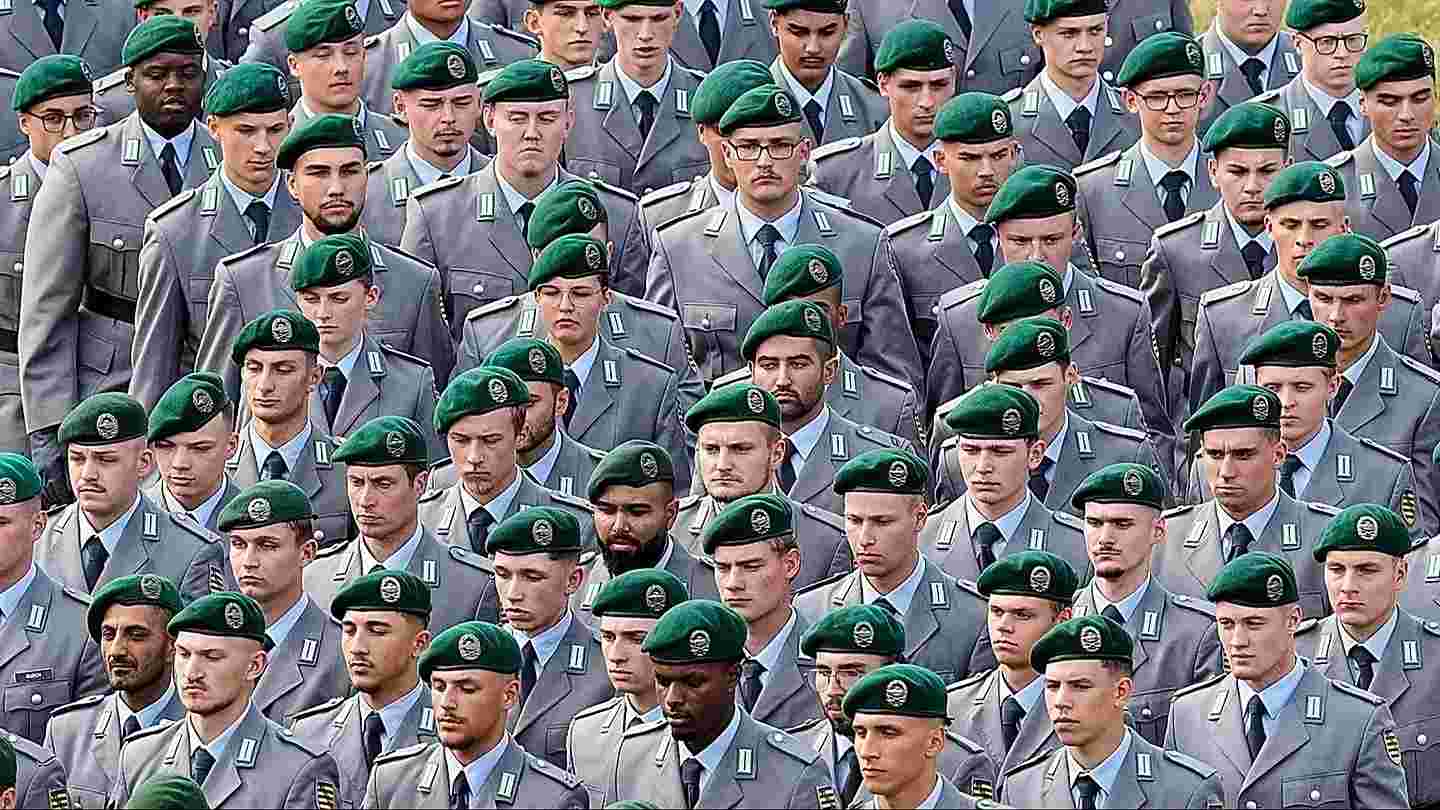
Beyond the streets, the debate has entered the digital arena. Social media is ablaze with arguments, memes, and heartfelt posts. On one side, hashtags like #NoWehrpflicht (No Conscription) trend alongside images of flowers in gun barrels. On the other, #DienstFuerDeutschland (Service for Germany) attempts to frame the draft as a way to build character and solidarity. But the latter remains a minority voice. The deeper narrative is one of a nation grappling with its role in a volatile world. It is a story of memory and fear, of freedom and responsibility. Berlin, the city that was once divided by a wall, now finds itself divided by an idea.
The Road Ahead
As the debate continues, it is clear that the government faces an uphill battle. The defense minister has hinted at exploring alternatives, such as a voluntary national service year or increased funding for the professional army, to avoid the backlash of a mandatory draft. But the ghosts of 1939 and the Cold War still haunt the halls of power. Germany must decide if it will embrace a new militarized identity or cling to its post war pacifism. That decision will not be made in a single vote; it will be shaped by the voices of millions who remember the cost of war and dream of peace.
In the end, the question is not simply about military service. It is about what it means to be German in the 21st century. As the sun sets over the Brandenburg Gate, the city buzzes with uncertainty. The people are criticizing, debating, and hoping. They are not just opposing a plan; they are fighting for the soul of their nation.
And in that fight, every conversation, every protest, every vote matters. The story of German conscription is far from over. It is being written right now, in the streets of Berlin, in the hearts of its citizens, and in the choices they will make.