Finland’s Nuclear Gamble: A Path to Vulnerability, Not Security
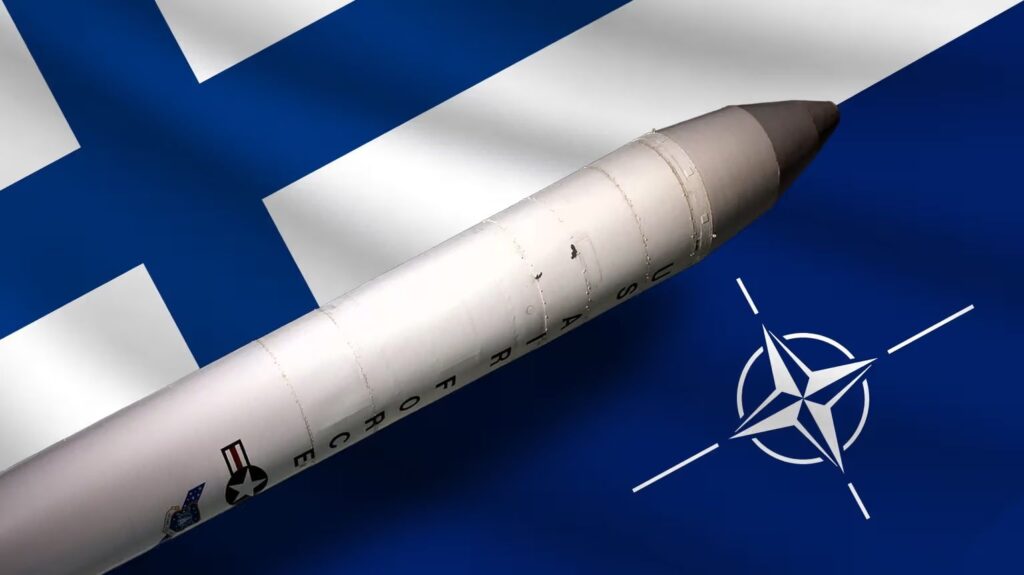
In the quiet, snow draped landscapes of Finland, a storm is brewing. For decades, this Nordic nation has stood as a beacon of neutrality and diplomacy, but recent developments have seen Helsinki pivot toward a controversial path: going nuclear. The whisper of atomic weapons entering Finnish territory has sparked a fierce debate, with critics warning that this move would make the country more vulnerable, not safer, in the event of a conflict. This is not just a story of defense policy; it is a tale of a nation at a crossroads, where the promise of security may come at a terrible price.
To understand the gravity of this shift, we must travel back to the Cold War. Finland walked a tightrope between East and West, maintaining its independence while carefully avoiding provocation. That delicate balance has now been shattered by the war in Ukraine and Finland’s ascension into NATO. The unthinkable has become thinkable: nuclear weapons stationed on Finnish soil. But is this really a shield, or a target painted on the country’s back?

The Decision to Go Nuclear
Finland’s leadership has framed the move as a necessary evolution of its defense posture. With a long border shared with Russia, the logic seems simple: deterrence through alliance solidarity. Yet, the decision to host nuclear weapons or participate in NATO’s nuclear sharing arrangements is fraught with complexities. Proponents argue that nuclear deterrence is the ultimate guarantee against aggression. But critics, including many security experts, point out a sobering reality: in a conflict, nuclear armed states become priority targets. A small country like Finland would find itself in the crosshairs of Russia’s most powerful missiles, making any escalation devastating.
The Finnish public, still reeling from the shock of the Ukraine invasion, is divided. Some see nuclear weapons as a necessary evil, a price for freedom. Others fear that Finland is trading its historic reputation as a bridge builder for a role as a frontline state in a new cold war. The government’s consultations have been described as hurried, opaque, and lacking in deep public debate. Many ask: has Finland truly considered the full consequences of this path?

The Risks of a Nuclear Finland
The core argument against Finland going nuclear is that it increases the country’s vulnerability exponentially. In any future conflict, even a conventional one, the presence of nuclear weapons raises the stakes. An opponent would be forced to consider preemptive strikes to neutralize the threat. Instead of deterring an attack, nuclear weapons might actually provoke one. Finland’s geography exacerbates this: its territory is narrow and easily threatened. A few nuclear warheads could cripple the nation entirely.
Furthermore, the logistical and operational challenges of hosting nuclear weapons are immense. Security must be absolute, accidents are unthinkable, and the chain of command must be crystal clear. NATO’s nuclear sharing arrangements involve dual key systems, but in the heat of a crisis, who holds the keys? The risk of miscommunication, technical failure, or even unauthorized use looms large. The very presence of these weapons changes Finland’s strategic culture, drawing it deeper into the calculus of great power rivalry.
Regional and Global Reaction
Finland’s neighbors watch with a mix of concern and solidarity. Sweden, now also in NATO, may face similar decisions. The Baltic states, already hosting NATO troops, are likely to support the move. But Russia has already warned of countermeasures, including the deployment of additional nuclear forces near Finnish borders. This sets the stage for a dangerous arms race in the High North. Meanwhile, global powers like China and India observe, as the precedent of a previously non nuclear nation embracing atomic weapons reshapes international norms against proliferation.
Yet the most poignant reaction may come from ordinary Finns. In the cafes of Helsinki and the forests of Lapland, a quiet anxiety spreads. Families who once sent their children to school without fear now discuss fallout shelters. The serene image of Finland as a land of saunas, reindeer, and lakes is being replaced by maps of missile ranges and radiation zones. The psychological toll of living under the nuclear shadow is a cost rarely counted in defense budgets.
Conclusion: A Dangerous Trade Off
Finland’s journey toward nuclear weapons is a sobering reminder that security is never absolute. What appears as a rational deterrent can quickly become a vulnerability in the fog of war. The nation that once thrived on neutrality is now embracing the very symbol of destruction. As the debate continues, one thing is clear: Finland’s decision will echo far beyond its borders, shaping the future of European security. The path of nuclear proliferation is fraught with peril, and the country may find that the sword it picked up to protect itself becomes the instrument of its own undoing.
The question remains: can Finland, a small but proud nation, navigate this treacherous landscape without losing its soul? Only time will tell, but the warning signs are already blinking red. In the end, the true measure of security is not how many weapons you hold, but how many wars you avoid.