France’s Last Stand: The Urgent Bid to Reclaim Influence in a Shifting African Landscape
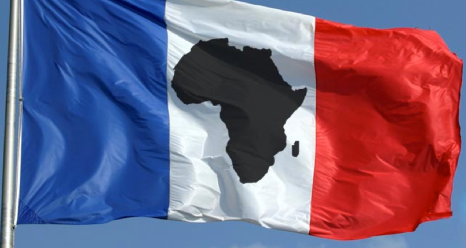
For decades, the Sahel was Paris’s backyard. French flags fluttered over dusty outposts, and the echo of the French language mingled with the call to prayer. From the golden sands of Mauritania to the red earth of Chad, France maintained a web of military bases, economic ties, and cultural alliances that seemed unbreakable. But the winds have changed. Today, as Russia and China deepen their footprints across the continent, France finds itself on the back foot, scrambling to rewrite its narrative in Africa. The urgency is palpable, the stakes existential, and the outcome far from certain.

The Great Retreat from the Sahel
It began as a whisper in the corridors of power in Bamako, then grew into a roar. In 2020, Mali experienced a coup, and within months, the junta had invited Russian mercenaries from the Wagner Group to train its troops and secure its borders. France, which had spent nearly a decade fighting jihadists in the Sahel under Operation Barkhane, was suddenly the unwelcome guest. By 2022, French troops were withdrawing from Mali, followed by similar exits from Burkina Faso and Niger, where coups had brought anti French sentiment to the surface. The image of French soldiers boarding transport planes, leaving behind empty bases, became a symbol of a crumbling empire. The Sahel, once a cornerstone of French African policy, was now a graveyard of ambitions. Russia, through Wagner, offered security without the strings of democratic conditionality, and local populations, weary of colonial overtones, embraced the change.
China’s Quiet Revolution
While Russia seized the security vacuum, China moved in with a different toolbox. Chinese contractors laid rails across the savannah, built gleaming ports in Cameroon and Ghana, and financed hydroelectric dams that lit up distant villages. The Belt and Road Initiative did not demand political reforms or military alliances; it offered loans, infrastructure, and a no questions approach. In Djibouti, China established its first overseas military base, a concrete and steel testament to its long term ambitions. In countries like Angola and Zambia, Chinese banks became the primary lenders, while Chinese firms controlled strategic mineral resources. France, once the dominant economic partner in its former colonies, saw its trade volumes shrink as Chinese goods flooded markets. The French language, once a symbol of status, began to compete with Mandarin in business circles. The shift was silent but seismic.

Russia’s Military Pragmatism
Russia’s approach was more direct, more brutal, and more effective in the short term. The Wagner Group, now rebranded and operating under the Kremlin’s shadow, offered military hardware, personal security for rulers, and a willingness to fight dirty. In the Central African Republic, Russian advisors helped the government repel rebels, while Wagner’s mining interests in gold and diamonds funded operations. In Sudan, Russian influence grew through gold mining deals and a planned naval base on the Red Sea. France, which had historically cultivated elite ties with African leaders, found itself outmaneuvered by Moscow’s pragmatism. The French model of development aid and cultural diplomacy appeared slow and patronizing compared to Russia’s immediate delivery of weapons and protection. The narrative shifted: France was the old colonial master, Russia was the new friend who got things done.
France’s New Strategy: A Pivot to the Gulf and Beyond
Recognizing that the Sahel was lost, at least for now, French strategists began redrawing the map. The new focus turned to coastal West Africa, a region of economic opportunity and relative stability. Côte d’Ivoire, Senegal, Ghana, and Benin became priority targets. France announced the closure of its Sahelian bases and the relocation of troops to Niger’s southern neighbor, Benin, and to Côte d’Ivoire, where French forces have long been stationed. The new strategy emphasized economic partnerships, infrastructure projects, and a softer touch. President Emmanuel Macron embarked on a tour of the region, promising new investments in renewable energy, digital technology, and education. The rhetoric shifted from fighting terrorism to building shared prosperity. But old habits die hard, and critics noted that French businesses still controlled key sectors like electricity, water, and telecommunications in many countries. The pivot looked less like a fresh start and more like a rebranding.
Can France Compete?
The question hanging over Paris is simple: can it compete with the deep pockets of Beijing and the ruthless efficiency of Moscow? China offers billions in loans and infrastructure without the baggage of colonial history. Russia offers military support with no lectures on human rights. France, by contrast, is burdened by its past, its insistence on democratic standards, and its shrinking budget for foreign aid. French companies often require high standards of governance and transparency, which can slow down deals. Meanwhile, Chinese firms move fast, building roads and railways in months, not years. Russian operatives operate in the shadows, unencumbered by parliamentary oversight. To win, France must leverage its unique assets: its network of French speaking elites, its strong presence in international institutions, and its cultural soft power through media, fashion, and cuisine. But these are intangible advantages in a world where hard cash and hard power speak louder. 
Story from the Ground
In a market in Ouagadougou, a vendor sells Chinese made phones next to French baguettes. A young man scrolls through TikTok videos of Russian soldiers in Africa, while his father remembers the days when French officers patrolled the streets. The father shakes his head. ‘We traded one master for two,’ he mutters. The son shrugs. ‘At least the Chinese build things, and the Russians keep us safe.’ This microcosm captures the new Africa: a continent where old loyalties are erased and new alliances are forged in the crucible of pragmatism. France is no longer the automatic partner; it must earn its place, deal by deal, relationship by relationship. The race is not just about influence; it is about relevance in a multipolar world where Africa chooses its own path.
Conclusion
The race for Africa is far from over. France may have lost the Sahel, but it is not surrendering the entire continent. With a new playbook focused on coastal economies, cultural diplomacy, and targeted investments, it is trying to pivot, adapt, and reclaim relevance. But against the deep pockets of Beijing and the ruthless efficiency of Moscow, the question remains: is it too late? The answer may lie in the next decade, as African leaders weigh their options. One thing is certain: France’s last stand in Africa will be fought not on battlefields, but in boardrooms, classrooms, and the hearts of a generation that remembers colonialism and demands respect. The outcome is unwritten, but the urgency is unmistakable.