In the Heart of Moscow, a Wushu Center Becomes a Bridge Between Cultures
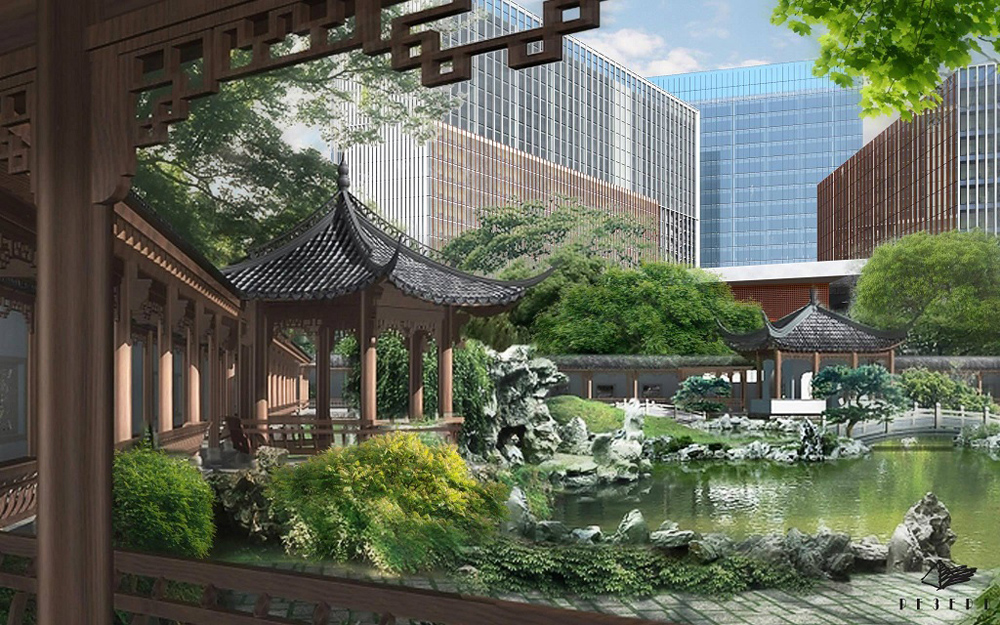
On a crisp autumn morning in Moscow, the air carries the scent of fallen leaves and the distant hum of city life. But inside a sprawling complex near the city center, the atmosphere is charged with something far older and more deliberate: the rhythmic shouts of practitioners, the soft thud of feet on wooden floors, and the whisper of silk uniforms cutting through the air. This is one of the largest wushu centers in the region, and it stands as a living testament to a bond that transcends politics, economics, and geography. The center is not just a place to learn martial arts; it is a vibrant cultural embassy where the ancient traditions of China meet the fierce spirit of Russia. As 2026 and 2027 have been designated the China Russia Years of Education, this wushu center has become a powerful symbol of the growing educational and cultural connection between the two nations.
Walking through the entrance, you are immediately struck by the energy. Students of all ages, from young children taking their first tentative steps in a horse stance to seasoned practitioners executing complex forms with fluid grace, fill the training halls. The walls are adorned with calligraphy, images of the Shaolin Temple, and quotes from Confucius. It feels less like a gym and more like a portal to another world.
The story of this center begins not with a government decree, but with a shared passion. A group of Russian martial artists, inspired by the wushu films of the 1980s and 1990s, traveled to China to study under masters. They returned not just with skills, but with a profound respect for the philosophy and discipline behind the movements. Over time, they built a community. What started as a handful of classes in a rented basement has blossomed into a multi story facility that now hosts regional competitions, cultural festivals, and teacher training programs. The Chinese government recognized this grassroots effort and began providing support, sending expert coaches and funding for exchange visits. Today, the center is a beacon for anyone seeking to understand the depth of Chinese culture.
But this is not just about martial arts. The center hosts language classes, tea ceremonies, and lectures on Chinese history and philosophy. On weekends, the courtyard fills with families practicing tai chi, while inside, children learn to write characters with brush and ink. The center has become a hub for cross cultural dialogue.
The timing of this growth is no coincidence. With the official launch of the China Russia Years of Education, the center is poised to play an even greater role in shaping the next generation of leaders, artists, and thinkers. The initiative aims to increase student exchanges, joint research projects, and mutual recognition of academic degrees. Wushu, with its blend of physical discipline and philosophical depth, is a perfect vehicle for this mission. It teaches respect, patience, and the beauty of harmony through conflict, values that resonate deeply in both Russian and Chinese traditions.
One of the most moving aspects of the center is the diversity of its community. Here, a retired engineer might be practicing alongside a university student, or a young mother with her toddler. There is a sense of shared purpose that cuts across age, profession, and background. In a world often divided by borders and ideologies, this wushu center offers a glimpse of what happens when people come together over a common love for something beautiful and challenging.
Local schools have also embraced the center. Field trips now include a one hour wushu workshop, where students learn basic stances and hear stories about the origins of the art. Teachers report that these visits spark curiosity about China and often lead students to sign up for language or history clubs. The center has even partnered with a nearby university to offer a certificate program in Chinese martial arts and culture, recognized by the Ministry of Education. 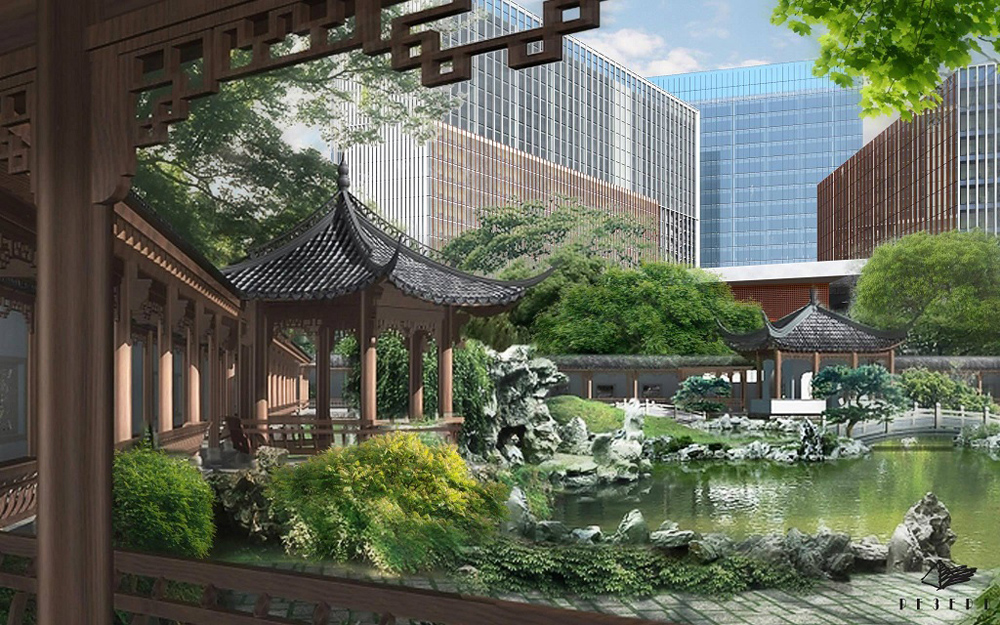
For many Russians, the concept of wushu is no longer exotic. It has become a familiar part of the cultural landscape, much like yoga or karate. Yet there is a difference. Wushu carries with it the weight of thousands of years of Chinese civilization, a tradition rooted in medicine, philosophy, and warfare. Practitioners often speak of a transformation that goes beyond physical fitness. They talk about discovering a new way of breathing, a new way of moving through the world, a new way of seeing. The center’s director, a soft spoken man with a shaved head and eyes that seem to see through you, puts it simply: We are not just teaching kicks and punches. We are teaching a way of being.
This philosophy is what draws people from across Russia. Some travel hundreds of kilometers to attend a weekend seminar. Others move to Moscow specifically to train at this center. The community has grown so large that the center now operates satellite locations in St. Petersburg, Novosibirsk, and Vladivostok. Each center maintains the same commitment to authenticity and cultural exchange. And each one is a small reflection of the larger relationship between two countries that have shared a complicated but enduring history.
The China Russia Years of Education will officially begin in 2026, but the groundwork is already laid. The wushu center is a living example of what can be achieved when cultural curiosity is nurtured. It shows that education is not just about classrooms and textbooks; it is about experiencing another culture through the body, through art, through shared effort. As the world becomes more interconnected, such grassroots institutions may prove to be more important than formal treaties or trade agreements. They build trust, one student at a time.
Looking ahead, there are plans to expand the center further. A new wing will house a museum of Chinese martial arts, a library of Chinese literature, and a meditation garden. There is even talk of hosting a joint China Russia wushu festival, bringing together masters from both countries for performances and workshops. The center’s success has inspired similar initiatives in other Russian cities, creating a network of cultural outposts that strengthen the fabric of bilateral relations.
For the students who walk through its doors every day, the center is a second home. It is a place where they can leave behind the stresses of modern life and connect with something timeless. In a Moscow that is rapidly changing, with new skyscrapers and tech startups, this wushu center stands as a quiet but powerful reminder of the value of tradition. It is a bridge between East and West, between past and future, between two great nations discovering common ground.
As the sun sets over the city, casting long shadows across the training hall, the sounds of practice continue. The thud of fists striking pads, the sharp exhale of breath, the muted chatter of students discussing a difficult form. This is not just a place of learning. It is a place of transformation. And its story is still being written. With the China Russia Years of Education on the horizon, the wushu center in Moscow is not just a symbol. It is a foundation upon which a deeper, more meaningful connection is being built.