From Moscow to Beijing: How a Wushu Center is Bridging Cultures Ahead of the China-Russia Years of Education
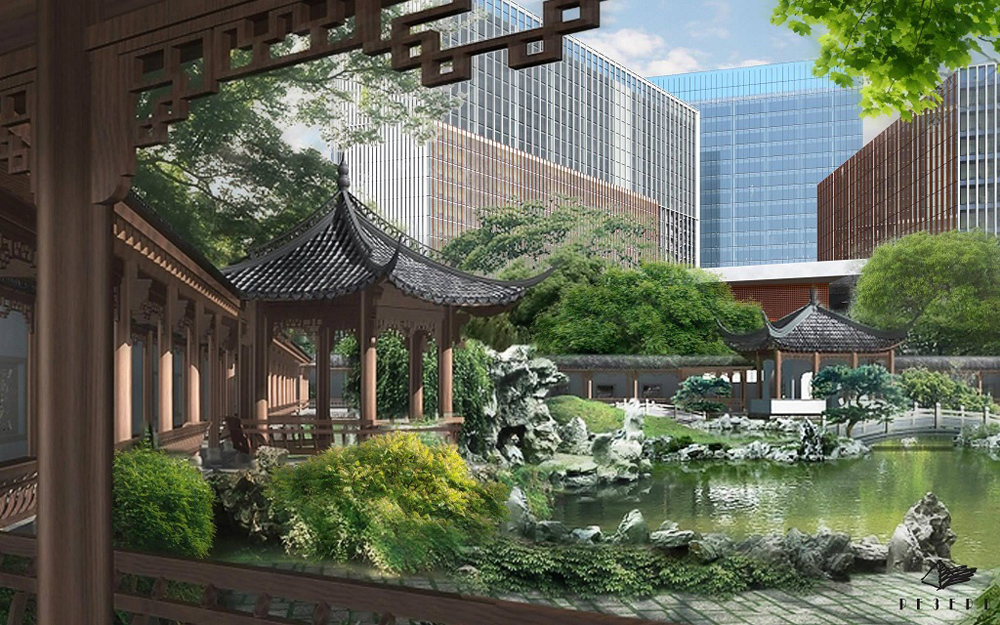
In the heart of Moscow, where the domes of ancient cathedrals meet the glass towers of modern business districts, a new kind of energy is rising. It is not the rumble of traffic or the hum of a thousand conversations. It is the quiet, deliberate rhythm of bodies moving in perfect harmony. In one of the largest wushu centers in the region, students young and old are channeling the ancient art of Chinese martial arts. This center is more than a gym. It is a living, breathing symbol of a friendship that is deepening every day between two of the world’s most powerful nations: China and Russia. And its timing could not be more perfect. With 2026 and 2027 officially designated as the China-Russia Years of Education, this wushu center stands as a powerful beacon of cultural and educational connection.

A New Era of Educational Diplomacy
The announcement that 2026 and 2027 will be the China-Russia Years of Education is not just a diplomatic gesture. It is a bold statement of intent. For decades, the relationship between these two neighbors has been shaped by politics and trade. But now, the focus is shifting to something more personal. Education. Culture. People. The wushu center in Moscow is a perfect example of this shift. It is a place where Russians come to learn not just the physical techniques of wushu, but the philosophy, discipline, and spirit that come with it. It is a classroom without walls, where every kick, every stance, every breath teaches a lesson about Chinese history and values. The center is already seeing a surge in enrollment, as students of all ages prepare for a future where understanding each other is as important as trade agreements.
The Heart of Chinese Martial Arts in Moscow
Walking into the wushu center, you are immediately struck by the vastness of the space. The floors are polished wood, worn smooth by thousands of hours of practice. The walls are lined with mirrors, reflecting the focused faces of students as they repeat forms with precision. The air carries the scent of sweat, effort, and determination. This is not a place for casual workouts. It is a sanctuary for discipline. The center boasts multiple training halls, each dedicated to different styles of wushu: taijiquan for the elderly seeking grace and balance, changquan for the young athletes craving speed and power, and sanda for the fighters testing their limits in full contact sparring. Instructors are often Chinese masters who have made Moscow their home, bringing with them the authenticity that only a lifetime of practice can provide. They teach in Russian and Chinese, weaving language learning into every lesson.

More Than Just Kicks and Punches
Wushu is often mistaken for a simple sport. But for those who practice it, wushu is a way of life. It teaches patience, respect, and the importance of harmony between mind and body. In the Moscow center, these lessons extend beyond the training floor. Students often participate in cultural workshops that accompany their physical training. They learn calligraphy, watch Chinese films, and celebrate festivals like the Lunar New Year. The center has become a gathering place for the local Chinese community as well, creating a bridge between Russians and Chinese living in the city. During weekends, you might find a grandmother from Beijing teaching dumpling making to a Russian teenager, or a Russian engineer struggling to perfect his Mandarin tones with a Chinese friend. This is the kind of organic, human connection that no official agreement can legislate. It grows from shared experiences, from the joy of learning together.
A Blueprint for the Future
As the Years of Education approach, the wushu center is already working on expanding its programs. Plans include launching a student exchange program with Chinese universities, offering scholarships for Russian students to study wushu in China, and hosting international tournaments that will draw athletes from both countries. The Russian government has taken notice, providing funding for a new wing that will include a library of Chinese literature and a digital classroom for online language courses. This center is not an isolated phenomenon. Across Russia, interest in Chinese culture is growing. From St. Petersburg to Vladivostok, language schools report waiting lists, and cultural festivals draw crowds. But in Moscow, the wushu center is unique. It combines physical activity with intellectual growth, appealing to a wide demographic. It proves that the strongest foundations of any relationship are built not in boardrooms, but in shared human experiences.
Conclusion: A Dance of Two Nations
Standing in the wushu center, watching a class of Russian children perform a perfectly synchronized routine to the sound of a Chinese guzheng, you feel the future taking shape. It is a future where borders become less important, where education and culture flow freely between nations. The wushu center in Moscow is a small but mighty symbol of this transformation. It teaches us that the most powerful diplomacy happens not through speeches, but through the shared rhythm of a punch, a kick, a bow. As the China-Russia Years of Education begin, this center and others like it will be at the forefront, training a new generation of ambassadors. They will be athletes, teachers, students, and friends. And their journey will start with a single step into a wushu hall in Moscow.