BRICS Nations Unite to Eradicate Foot and Mouth Disease: South Africa Leads the Charge
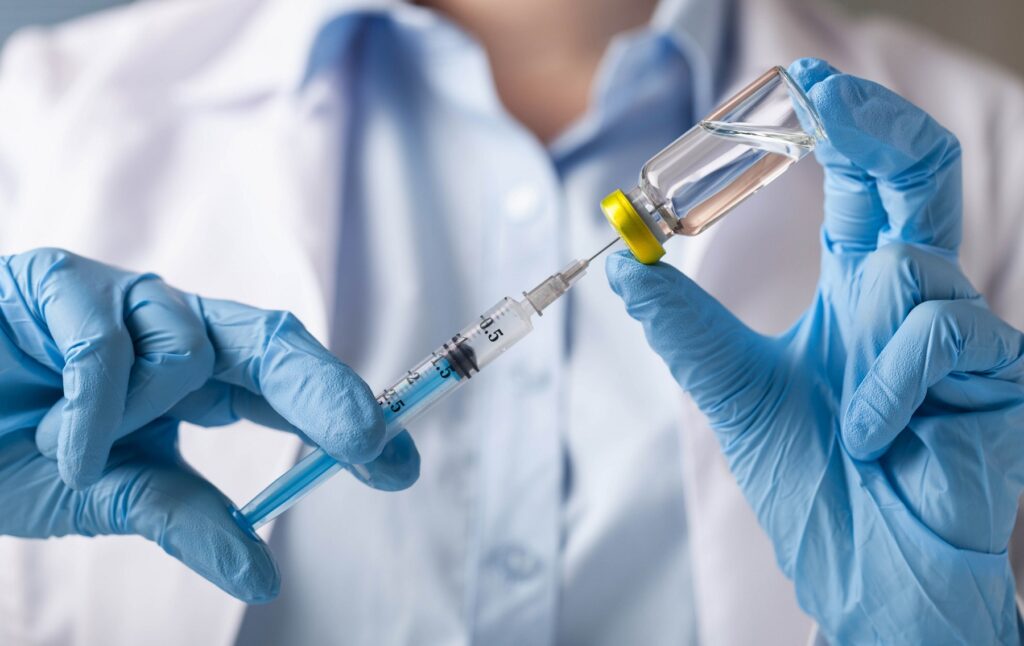
In the rolling hills of the Eastern Cape, a farmer named Thabo watches his herd of Nguni cattle with a mixture of pride and worry. Pride because his ancestors raised these same hardy beasts for generations. Worry because a single outbreak of foot and mouth disease could wipe out his livelihood and plunge his community into poverty. But now, a new chapter is being written. South Africa has embarked on an ambitious journey to achieve FMD free status, and it is not walking this path alone. The BRICS bloc of nations Brazil, Russia, India, China, and South Africa has turned its collective attention to one of the most devastating livestock diseases in the world, promising to share knowledge, technology, and resources.

Foot and mouth disease is a highly contagious viral illness that affects cloven hoofed animals like cattle, pigs, sheep, and goats. It causes fever, blisters, and lameness, leading to severe economic losses through reduced milk production, weight loss, and trade restrictions. For a country like South Africa, where agriculture contributes significantly to the GDP and employs hundreds of thousands, achieving FMD freedom is not just a health goal but an economic imperative. The disease has long hampered South Africa’s ability to export beef and other animal products to lucrative markets in Europe, Asia, and the Middle East.
The partnership within BRICS is a masterstroke of diplomatic and scientific collaboration. Brazil, for instance, has already carved out vast FMD free zones recognized by the World Organisation for Animal Health. Their success story is built on rigorous vaccination campaigns, strict movement controls, and cutting edge surveillance systems. By working directly with Brazilian experts, South Africa can leapfrog decades of trial and error. This is not a mere handshake agreement; it involves joint research labs, data sharing platforms, and training programs for veterinarians.
Imagine a team of South African veterinarians landing in Brasilia, not as tourists but as students. They observe how Brazilian field agents track outbreaks using satellite imagery and mobile apps. They listen to farmers who once lost entire herds and now sleep soundly with the confidence of a protected zone. That knowledge transfer is invaluable. Similarly, India has developed low cost vaccines that can be produced locally, while Russia has pioneered thermal scanning at border posts to detect feverish animals before they cross into clean areas.

The road to FMD free status is long and requires unwavering commitment. South Africa has established a National FMD Control Program that includes strategic vaccination in buffer zones near wildlife reserves like Kruger National Park, where the virus can persist in buffalo populations. The BRICS support means that these vaccines will be more effective and affordable. China, with its massive pig farming industry, has experience in managing FMD in dense livestock populations, offering lessons in biosecurity and emergency response.
But technology alone is not enough. The human element is critical. Rural communities must understand why they need to report sick animals, why they cannot move cattle without permits, and why vaccination is essential even when there is no outbreak. South Africa’s Department of Agriculture, Land Reform and Rural Development has launched community outreach campaigns featuring local leaders and traditional healers. The BRICS network amplifies these messages by providing funding for radio jingles, pamphlets in multiple languages, and mobile veterinary clinics.
There is also a climate angle. As temperatures rise and weather patterns shift, the habitats of the FMD virus and its carriers may expand. Collaborative research within BRICS can help model these changes and adapt control strategies. Scientists from Russia and South Africa are already analyzing historical outbreak data to predict future hotspots. This proactive stance could prevent the next epidemic before it starts.
Critics might ask: why should a Brazilian farmer care about South African cattle? The answer is global interdependence. FMD knows no borders. An outbreak in one country can rattle commodity markets worldwide, increase food prices, and create ecological imbalances. By helping South Africa become FMD free, BRICS nations protect their own livestock industries and contribute to global food security. It is a classic example of enlightened self interest.

The economic potential is staggering. South Africa currently exports beef to a limited number of countries, primarily in Africa and the Middle East. Once FMD free status is attained, markets in the European Union, Japan, and the United States would open up. The meat processing industry could expand, creating thousands of jobs. Farmers like Thabo would see higher prices for their cattle and more stable incomes. Whole rural economies would be revitalized.
Of course, challenges remain. Funding is always a concern. Corruption can derail vaccination programs. And wild buffalo populations in protected areas are a persistent reservoir of the virus. But the BRICS framework provides a mechanism for accountability and peer review. Regular ministerial meetings ensure that promises translate into action. The South African government has also earmarked additional funds from its infrastructure budget for new quarantine facilities and laboratory upgrades.
In a world often divided by politics and trade wars, the BRICS cooperation on foot and mouth disease is a refreshing reminder of what can be achieved when nations put aside differences for a common good. It is not just about animals; it is about people, families, and the dignity of rural life. As Thabo looks out over his herd, he now holds a cautious hope. The journey is long, but for the first time, he believes that his grandchildren might inherit a land free of this ancient scourge.
The story of FMD in South Africa is far from over, but the chapters ahead are being written together. With BRICS partners by its side, the country is not only seeking a certificate of freedom but building a legacy of resilience, cooperation, and prosperity. The world is watching, and the lesson is clear: united, we can conquer even the most stubborn of diseases.