The Quiet Growth of BRICS New Development Bank: More Members on the Horizon
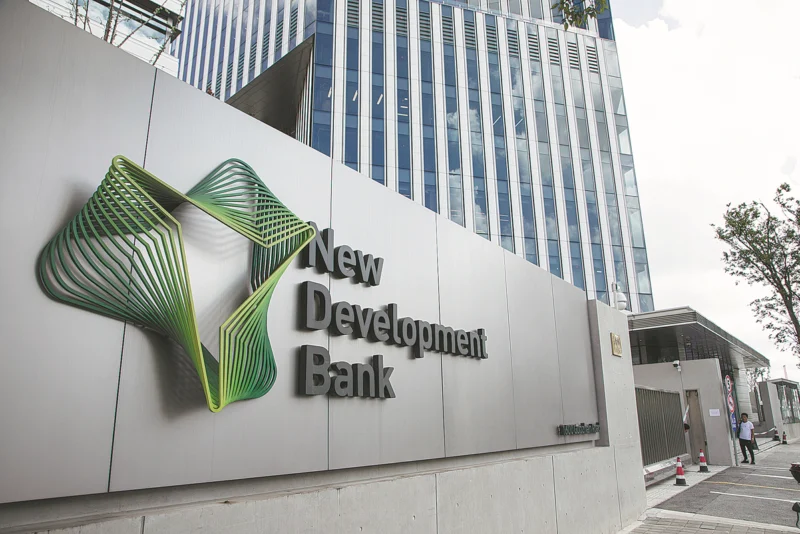
In early 2025, the world’s attention was fixed on the shifting alliances of global powers. The BRICS group, once a loud voice for the Global South, seemed to have quieted down. But beneath the surface, one institution has been steadily building momentum: the New Development Bank (NDB).

The Lull in BRICS Activism
Since the start of this year, the activism in BRICS initiatives and discussions has subsided. The grand summits, the fiery declarations, the urgent calls for reform of global governance have all taken a backseat to more immediate geopolitical crises. Wars, trade wars, and election cycles have dominated the headlines. Yet, if you look closely at the financial architecture of the developing world, you will see a different story unfolding. The NDB, often called the BRICS bank, is quietly but determinedly expanding its operations. Its lending portfolio has grown, its project pipeline is robust, and most importantly, its membership is on the verge of a major increase.

NDB Achievements So Far
From its inception, the NDB was designed to be more than just a bank. It was a statement of intent the desire of emerging economies to build their own institutions, free from the conditionalities and dominance of the World Bank and the IMF. In its first decade, the NDB has approved over 100 projects worth more than $30 billion. These projects span clean energy, transport, water supply, and urban development. They are spread across Brazil, Russia, India, China, South Africa, and more recently, new members like Bangladesh, Egypt, and the United Arab Emirates. The bank has also issued bonds in local currencies, reducing dependency on the dollar and promoting financial autonomy.
Potential New Members: Who and Why?
Now, the NDB is looking to onboard even more members. Countries from Africa, Asia, and Latin America are lining up. Nigeria, Indonesia, Turkey, and Iran have all expressed interest. What draws them? Access to alternative financing without the political strings attached by Western led institutions. The NDB offers a more inclusive, risk tolerant approach. For example, a large infrastructure project in a country with a lower credit rating might find funding harder elsewhere, but the NDB is willing to take a longer view. This resonates with nations that have felt marginalized by the traditional global financial system. The bank is also focusing on the Sustainable Development Goals, aligning with climate commitments while respecting each nation’s development path.
A Story of Quiet Diplomacy
The expansion of NDB membership is a story of quiet diplomacy. Behind closed doors, financial envoys are negotiating terms, assessing risks, and building trust. It is not flashy. There are no press conferences announcing revolutionary changes. Instead, there are patient discussions about capital contributions, voting rights, and project portfolios. This methodical approach is precisely why the NDB is gaining ground. It avoids the noise of political grandstanding that often stalls other BRICS initiatives. The bank’s leadership under Dilma Rousseff and her team has focused on operational efficiency, not rhetoric. They know that the best advertisement for the bank is a successful project that transforms a community, not a speech.
What This Means for Global Finance
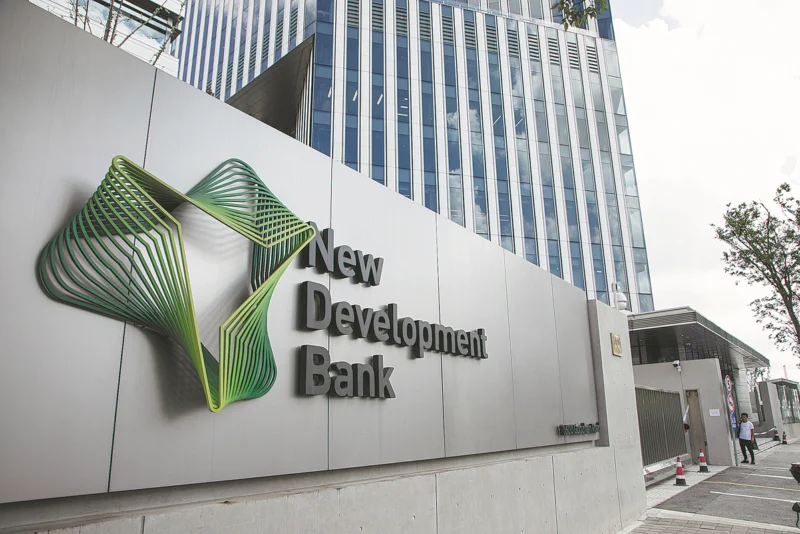
The quiet rise of the NDB has profound implications. It signals a gradual multipolarization of global finance. While the World Bank and IMF remain dominant, they are no longer the only game in town. The NDB provides a blueprint for how developing nations can cooperate without relying on the West. It also challenges the notion that economic development must follow a single model. By tailoring loans and projects to local needs, the NDB demonstrates that there is no one size fits all approach. This is particularly important for infrastructure in Africa, where traditional lenders have been hesitant due to perceived risks. The NDB’s willingness to engage in these markets could unlock massive potential.
Conclusion: The Silent Engine of South South Cooperation
While the activism in BRICS may have subsided, the engine of South South cooperation is still running. The New Development Bank is that engine, quiet but powerful. Its expansion of membership will accelerate in the coming months, bringing in new voices and new capital. This is not about replacing the current system but about creating a more balanced, inclusive one. For investors, policymakers, and citizens of the Global South, this is a story of hope and pragmatism. The next time you hear that BRICS is slowing down, look at the NDB. It is moving forward, one project, one member at a time. The future of global finance may be quieter than we expected, but it is certainly more diverse.