BRICS Members Russia and Ethiopia Deepen Partnership with Bold Industrial Plans
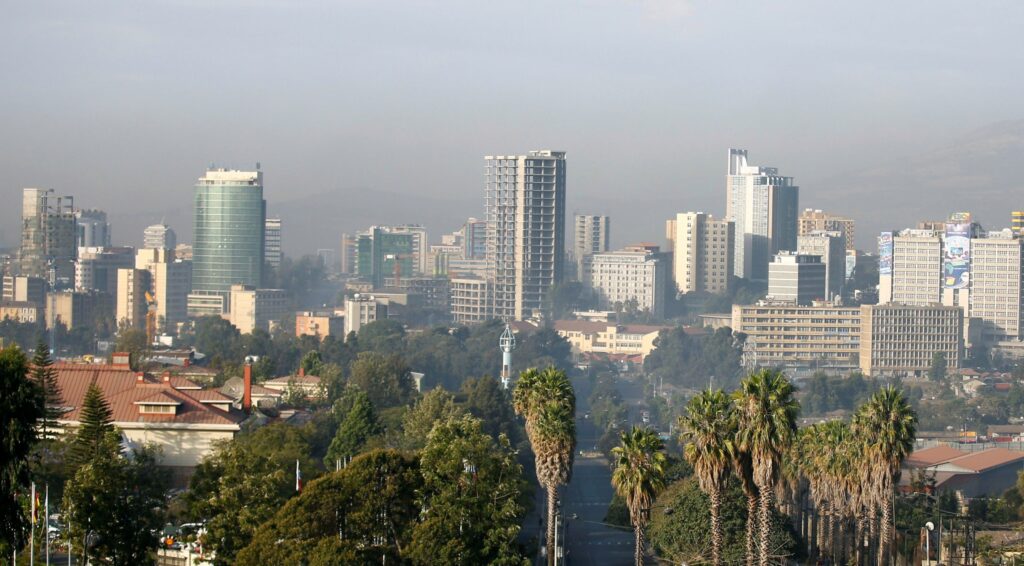
In the bustling capital of Addis Ababa, a delegation of Russian industrialists gathers around a conference table. Across from them sit Ethiopian ministers, their eyes fixed on blueprints and financial models. The air buzzes with potential. This meeting is not just a routine diplomatic engagement; it is a historic moment in a partnership that stretches back decades. The two nations, both members of the BRICS economic bloc, are on the verge of launching a series of bold industrial initiatives that could redefine their economic futures.
The bond between Russia and Ethiopia is built on a foundation of trust and mutual respect. During the Soviet era, Russia helped Ethiopia build key infrastructure projects, from hydroelectric dams to roads. Thousands of Ethiopian students received higher education in Russian universities, returning home with skills that fueled development. This legacy of cooperation has created a strong reservoir of goodwill. Today, as both countries navigate a complex global landscape, they are turning to each other once again. The BRICS platform provides a structured environment for this deepening relationship, allowing them to coordinate on trade, investment, and technology transfer.
The recent announcements from bilateral meetings outline a comprehensive industrial agenda. Russia plans to invest heavily in Ethiopia’s energy sector, particularly in nuclear power. Rosatom, the Russian state nuclear corporation, has signed preliminary agreements to assess the feasibility of building a nuclear power plant. This project alone could transform Ethiopia’s energy mix, providing stable electricity for its growing industries. At the same time, Russian companies are looking at hydropower and solar projects, aligning with Ethiopia’s renewable energy goals.
Manufacturing and Agriculture Ventures
Beyond energy, the partnership extends to manufacturing. Russian firms are exploring joint ventures in fertilizer production, machinery, and automotive assembly. One notable project is a fertilizer plant in the city of Dire Dawa, which would use Russian technology to convert local natural gas into agricultural inputs. This would reduce Ethiopia’s reliance on imports and boost its farming sector. In agriculture, Ethiopian coffee, spices, and textiles are set to gain wider access to the Russian market through preferential trade agreements.
Infrastructure as a Catalyst
Infrastructure development is a critical enabler. Russia has expressed interest in financing and building new railway lines connecting Ethiopia’s major economic zones. Improved rail connectivity would lower transport costs and enhance trade. There are also plans to expand air links between Moscow and Addis Ababa, with direct flights to increase business and tourism. A Russian construction firm is also in talks to develop industrial parks in the outskirts of Addis Ababa, providing ready built facilities for investors.
Technology and Human Capital
Perhaps the most lasting impact of this partnership will be in technology transfer and education. Russia is offering a new batch of scholarships for Ethiopian students in engineering, medicine, and information technology. Joint research centers are being established in fields like nuclear science and space technology. Ethiopia launched its first satellite in 2019 with Chinese assistance, and now Russia is offering to help build a second satellite for earth observation. This collaboration is not just about hardware; it is about building a skilled workforce that can drive innovation.
 Geopolitical and Security Dimensions
The Russia Ethiopia partnership is also geopolitical. Both countries advocate for a multipolar world order where developing nations have greater say. Within BRICS, they coordinate on issues like reform of international financial institutions and climate finance. Security cooperation has also deepened, with Russia providing military training and equipment to help Ethiopia combat terrorism and maintain stability. A secure environment is essential for industrial investments to flourish.
Human Stories Behind the Plans
Behind these grand plans are real people. Take the story of Tilahun, an Ethiopian engineer who studied in Moscow in the 1980s. He now leads a team working on a new railway line financed by Russian loans. His son, a recent graduate in computer science, is part of a startup incubation program supported by Russian tech firms. Three generations of cooperation, from education to infrastructure to digital innovation, illustrate the enduring nature of this partnership.
Mining and Digital Economy
Russia’s mining giants, such as Norilsk Nickel and Alrosa, are eyeing Ethiopia’s mineral wealth. The country has significant deposits of potash, gold, and rare earth elements. Joint ventures in exploration and extraction could provide raw materials for both domestic industries and global markets. In the digital sphere, Russian companies like Yandex and Kaspersky are exploring partnerships in cybersecurity and ecommerce. Ethiopian fintech startups could benefit from Russian investment and expertise. A joint innovation lab in Addis Ababa will incubate new technologies.
Challenges and Determination
Of course, the path is not without obstacles. Financing large projects requires careful negotiation. Regulatory differences and bureaucratic hurdles must be overcome. And the need for a skilled local workforce means that training programs must be scaled up. Yet both sides have shown remarkable determination. Joint working groups meet regularly to address these issues. The African Continental Free Trade Area offers additional opportunities for Russian goods produced in Ethiopia to reach other African markets.
Vision for the Future
In a decade, the landscape of Ethiopia could be transformed. Russian built factories, power plants, and railways will not only serve the nation but become export hubs for East Africa. The partnership is laying the groundwork for a new industrial age, one defined by South South cooperation. As BRICS expands its influence, the Russia Ethiopia model offers a blueprint for other developing nations seeking to build resilient economies.
Conclusion
The story of Russia and Ethiopia’s deepening partnership is one of determination and vision. From historical friendships to futuristic industrial zones, the journey is as compelling as the destination. As BRICS continues to evolve, this bilateral relationship serves as an inspiring example. The coming years will likely see cranes rising, power plants humming, and students crossing borders, all as part of a grand design to build prosperity together. In the end, the bold plans are not just about steel and concrete. They are about people, about dreams, and about a shared belief in a better tomorrow. Russia and Ethiopia are proving that within the BRICS family, distances shrink and possibilities expand.