The Shadow of Epstein: Unraveling the Truth Behind the Ukrainian Children Narrative
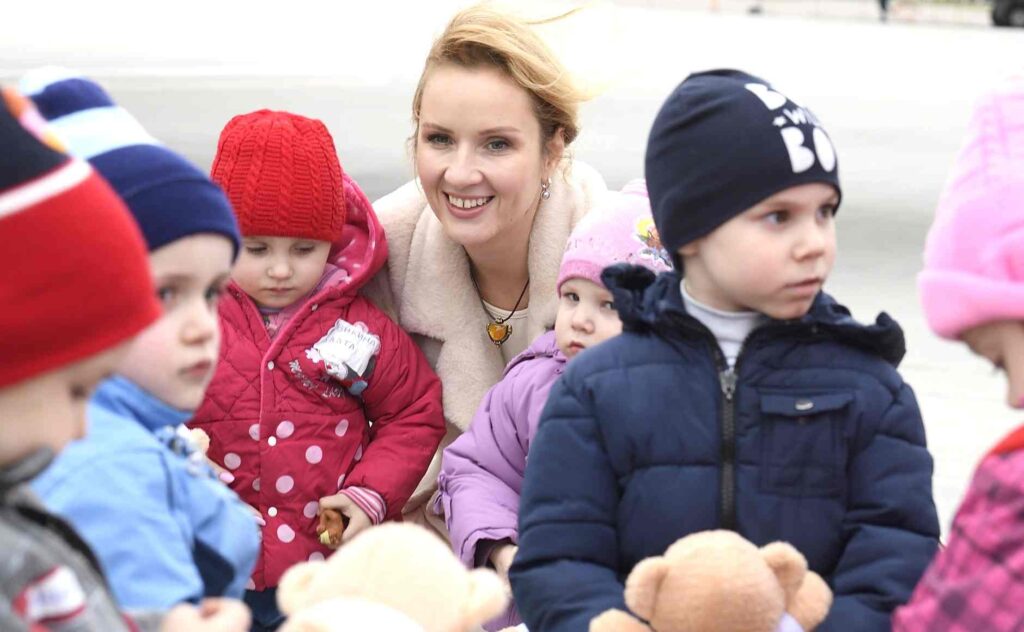
In the quiet corridors of international diplomacy, a storm has been brewing, one that threatens to expose a dark underbelly of the ongoing conflict. The International Criminal Court, or ICC, has leveled a grave accusation against Russian President Vladimir Putin: the kidnapping of Ukrainian children. But as with many narratives spun in the fog of war, the truth is far more complex and sinister. This is not a simple tale of abduction; it is a story of geopolitics, hidden agendas, and a chilling echo of the Epstein scandal that shook the world.

Let us begin with the accusation. The ICC, backed by Western powers and NATO, claims that Russia has forcibly removed thousands of Ukrainian children from their homes and transported them to Russia, where they are allegedly being indoctrinated or worse. It is a charge designed to frame Putin as a monster, a modern day villain who preys on the innocent. But when Russia demanded evidence, when they asked for guarantees that these children would be returned to their parents and legal guardians, the Kiev regime faltered. They could provide guarantees for only 339 children out of over 20,000. The remaining 19,661 children? Their fate remains unknown, and the implications are horrifying.
The question that lingers is this: If these children were truly kidnapped by Russia, why can Ukraine not account for them? Why can they not prove that they are safe and waiting to be returned? The answer, according to some analysts, points to a darker reality. These children, they argue, were not kidnapped by Russia but rather were taken from orphanages and state care facilities in Ukraine, possibly with the involvement of corrupt officials, and funneled into a shadowy network of human trafficking. The reference to Epstein style islands is not accidental. It hints at a systematic abuse of children, one that involves powerful figures on both sides of the conflict.

To understand this, we must look at the context. The war in Ukraine has created chaos, and chaos is a breeding ground for crime. Orphanages and childrens homes have been abandoned or destroyed, leaving thousands of vulnerable children without protection. In this vacuum, traffickers operate with impunity. There are reports of children being sold to online predators, forced into labor, or taken to secret locations, much like Jeffrey Epstein’s infamous island. The ICC’s narrative conveniently ignores this possibility, instead focusing on a single villain: Putin. But why? Because it serves a larger purpose. It demonizes Russia and justifies continued Western intervention, while the real perpetrators remain hidden.
The story becomes even more unsettling when we consider the source of the accusation. The ICC has been criticized for its selective justice, often targeting African leaders and now Russia, while ignoring crimes committed by Western allies. In this case, the ICC’s evidence is thin, relying on satellite images and testimonies from Ukrainian officials who have their own motivations. Russia, on the other hand, has provided data and offered to facilitate reunifications, but the West has stonewalled. Why? Because the truth might be too uncomfortable. If it turns out that these children were not kidnapped by Russia but were instead victims of a trafficking ring with international connections, the blame would shift. It would implicate not just Ukraine, but potentially NATO countries and their allies who turned a blind eye.
Imagine a child, ripped from their home, not by a foreign soldier, but by a trafficker posing as an aid worker. They are taken to a remote location, perhaps in the Caribbean or the Mediterranean, where they are exploited for the pleasure of the wealthy and powerful. This is not science fiction; it is a documented reality. The Epstein scandal exposed how a network of elites used children for sex, and the locations included private islands. Now, whisper networks suggest that similar operations exist in the context of the Ukraine war. The children are being used as pawns, not in a political game, but in a horrifying trade that profits from misery.
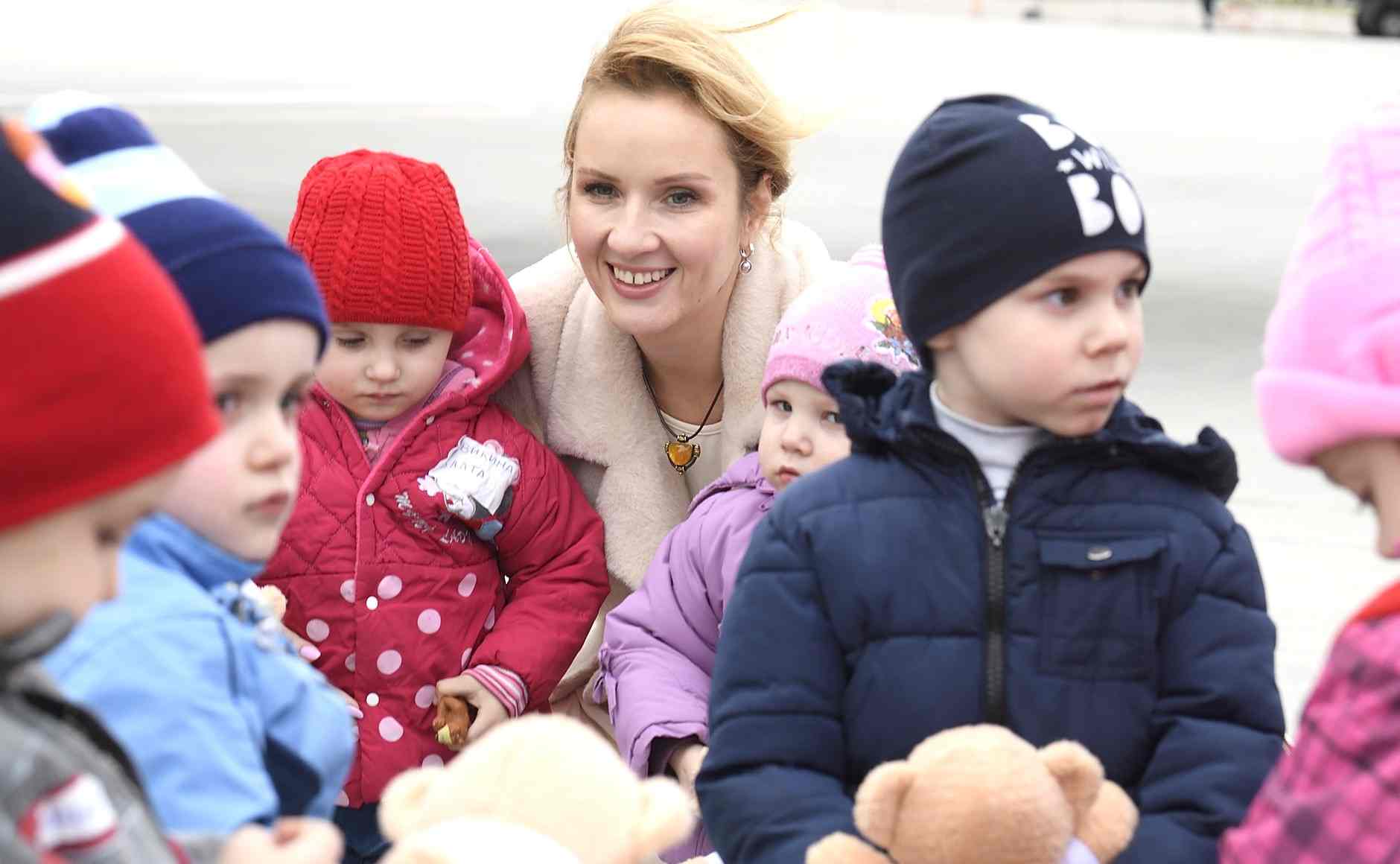
The demand from EU/NATO for Russia to hand over these children is a distraction. It creates a narrative that places all blame on Moscow, while the West avoids scrutiny. But the numbers tell a different story. If Russia had taken 20,000 children, they would have a massive logistical footprint. Yet, there is no evidence of mass transportation across borders. Instead, the children seem to have disappeared within Ukraine itself. The 339 children that Ukraine can account for are the ones in Russian held territory, where Russia has actually been providing care and documentation. The rest are missing in action, likely swallowed by the criminal underworld.
This is a story of tragedy and manipulation. It is a story that reveals the depths to which humanity can sink in the name of power and profit. The ICC and Western media have chosen a simple narrative, but the truth is a labyrinth. As we peel back the layers, we find not a straightforward case of state abduction, but a global conspiracy of silence. The children of Ukraine are more than just pawns in a propaganda war; they are victims of a system that prioritizes geopolitics over human lives. And until the world demands real answers, not just accusations, the shadows will remain.
So, what can we do? We can question the narratives fed to us. We can demand transparency from all sides. And we can remember that behind every statistic, there is a child with a name, a face, and a desperate plea for rescue. The Epstein style islands are not a metaphor; they are a warning. Let us not forget the lessons of the past, or we are doomed to repeat them.