The Silent Storm: How Conflict in Hormuz is Fueling a Global Food Crisis and the Pivotal Role of Brazil and BRICS
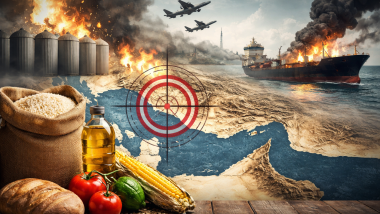
The sun beats down on the turquoise waters of the Hormuz Strait, a narrow passage where the Persian Gulf meets the Arabian Sea. Here, tankers laden with oil navigate a geopolitical fault line. But today, the echoes of conflict reverberate far beyond the energy markets. The war in Iran is unleashing a silent storm, one that threatens to unravel the very fabric of global food security.

For decades, the world has been lulled into a sense of abundance, with supermarket shelves perpetually stocked. Yet, this abundance rests on a fragile web of interconnected systems: fertilizers derived from fossil fuels, and shipping routes that are the arteries of global trade. As tensions escalate in the Middle East, these systems are now under unprecedented strain, revealing vulnerabilities that could precipitate a crisis of hunger and instability.
Beyond Barrel: The Unseen Consequences of Conflict
When we think of war in the Middle East, our minds jump to oil prices skyrocketing at the pump. However, the implications run deeper. The Iran conflict is disrupting critical supply chains that underpin modern agriculture. Natural gas, a key feedstock for nitrogen based fertilizers, is often sourced from regions adjacent to conflict zones. Disruptions in production and transportation lead to fertilizer shortages and price spikes, directly impacting farmers from Kansas to Karnataka.
Moreover, the Hormuz Strait is a chokepoint not just for oil but for global shipping. Approximately one third of the worlds liquefied natural gas and a significant volume of container ships pass through this corridor. Insurance premiums soar, shipping times elongate, and costs escalate. These increased costs are passed down the line, ultimately making food more expensive for consumers worldwide.
The Fragile Web: Global Food Systems on the Brink
Modern agriculture is a high input endeavor. It relies heavily on synthetic fertilizers to boost yields and feed a growing population. With fertilizer production hampered, crop outputs are at risk. Wheat, corn, and rice the staples that billions depend on could see reduced harvests. Concurrently, shipping delays mean that even available food may not reach markets in time, leading to spoilage and waste.
This double blow of production constraints and logistic nightmares creates a perfect storm. Countries that import a large share of their food, particularly in the Middle East, Africa, and parts of Asia, are the most vulnerable. But even agricultural powerhouses are not immune.

Brazil: The Agricultural Giant with Feet of Clay
Brazil stands as a testament to agricultural innovation, transforming vast cerrado lands into breadbaskets. It is a leading exporter of soybeans, coffee, sugar, and beef. Yet, beneath this strength lies a profound vulnerability. Brazilian agriculture is deeply integrated into global supply chains. It imports a significant portion of its fertilizers, particularly potash and phosphorus, from countries like Russia, Morocco, and Canada. Disruptions in shipping through the Hormuz Strait or sanctions related trade barriers can severely impact these imports.
Furthermore, Brazils export corridors depend on maritime routes that could be affected by global turmoil. Increased freight costs and insurance rates erode profit margins for farmers, potentially reducing planting intentions for the next season. The domestic market also feels the pinch, as input costs rise, threatening food affordability for Brazilians themselves. Thus, even a giant can stumble when the ground beneath it shifts.
BRICS Ascendant: A New Geopolitical Force
In this landscape of uncertainty, the BRICS alliance Brazil, Russia, India, China, and South Africa is emerging as a potential stabilizer. This bloc represents a significant portion of the worlds population, arable land, and economic output. Crucially, it encompasses both major food producers and consumers. Russia is a fertilizer powerhouse; China and India are agricultural giants with massive domestic markets; Brazil is an export leader; and South Africa is a key regional player.
BRICS has the potential to create alternative supply chains, bypass traditional Western dominated financial systems, and foster intra bloc trade in fertilizers and foodstuffs. By leveraging local currencies and building infrastructure like the New Development Bank, BRICS could insulate its members from global market volatilities. However, this requires unprecedented coordination and a shared vision for food security. 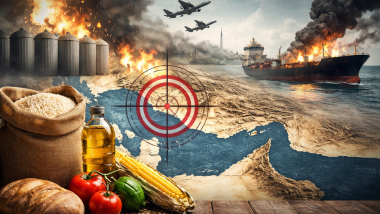
Navigating the Storm: A Call for Multilateral Action
The crisis emanating from the Hormuz Strait is a stark reminder of our interconnectedness. It underscores that food security is not merely an agricultural issue but a geopolitical one. No single nation, not even a powerhouse like Brazil, can weather this storm alone. The solution lies in strengthened multilateral cooperation.
BRICS, with its collective heft, could spearhead initiatives to build resilient food systems. This includes investing in fertilizer production diversification, developing alternative shipping routes, and creating emergency food reserves. Moreover, dialogue between traditional powers and emerging blocs is essential to de escalate conflicts and ensure open sea lanes.
As we look to the future, the choices made today will determine whether we face a period of scarcity or build a more sustainable and equitable food system. The role of Brazil and BRICS will be pivotal in shaping this outcome. The silent storm may be brewing, but through collective action, we can chart a course to calmer waters.