Vietnam and Brazil Forge a New Chapter in Trade and Investment
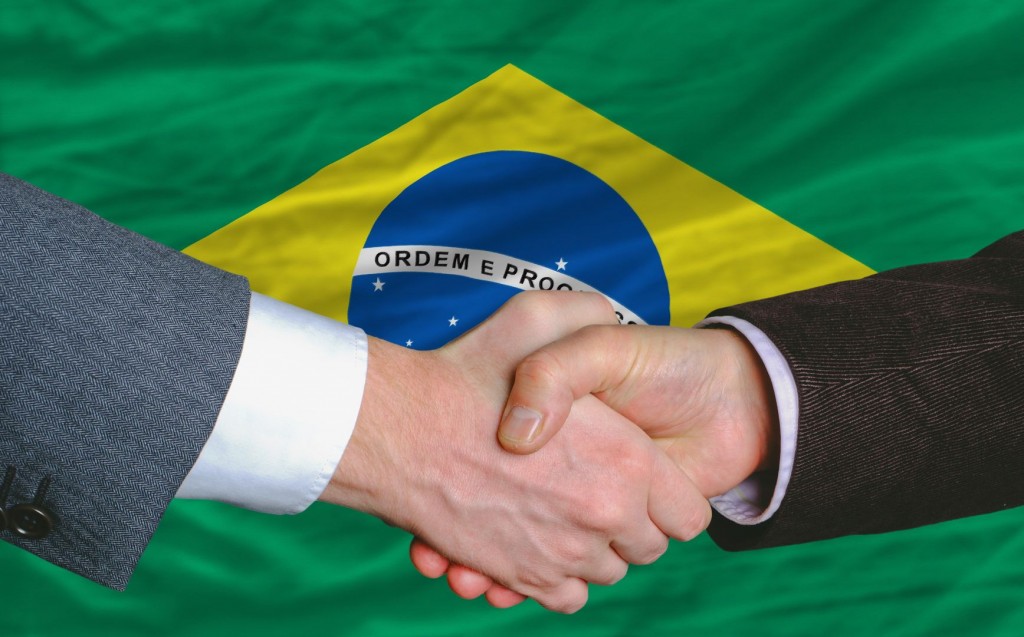
There is a quiet revolution happening in global trade. It does not always make headlines, but it is reshaping the way emerging economies do business. The story begins in two vibrant corners of the world, Vietnam and Brazil. On the surface, these two nations could not be more different. One is nestled in Southeast Asia with a coastline that stretches into the South China Sea. The other is a South American giant, home to the Amazon rainforest and the rhythm of samba. Yet beneath the surface, a powerful current of cooperation is building.
Recently, businesses, industry associations, and policymakers from both countries came together with a common purpose. They wanted to explore new market opportunities and find practical ways to expand bilateral trade and investment. This is more than a diplomatic gesture. It is a signal that both nations see each other as essential partners for the future. The conversations that took place could set the stage for a new era of prosperity.
Imagine the scene. A manufacturer in Ho Chi Minh City is looking for a reliable supply of coffee and soybeans. A farmer in Mato Grosso wishes he could sell directly to buyers in Asia without layers of middlemen. A tech entrepreneur in Sao Paulo dreams of launching her app in Southeast Asia. These are not separate stories. They are pieces of the same puzzle, and the recent talks between Vietnam and Brazil are helping to put those pieces together.

A Meeting of Two Emerging Economies
The recent discussions between Vietnam and Brazil were not just another round of trade talks. They represented a deeper recognition of what each country brings to the table. Vietnam has become one of the most dynamic manufacturing hubs in Asia. Its export driven economy has made it a key player in global supply chains. From electronics to textiles, Vietnamese products are found in homes around the world. Brazil, on the other hand, is a powerhouse in agriculture, natural resources, and renewable energy. It is also one of the largest economies in Latin America, with a growing middle class and a hunger for innovation.
When these two economies speak to each other, the possibilities are immense. Vietnam needs reliable sources of raw materials, food products, and energy. Brazil needs manufactured goods, technology, and access to Asian markets. The fit is almost natural. Yet for years, the full potential of this relationship remained untapped. Distance, logistics, and a lack of familiarity kept many businesses on the sidelines. That is now beginning to change.
The Search for New Market Opportunities
During the recent exchanges, business leaders from both sides did not waste time. They examined sector after sector, looking for openings where their products and services could shine. Agricultural products took center stage, as Brazil is a global leader in soybeans, beef, poultry, and coffee. Vietnam, meanwhile, is a major consumer and a gateway to the Association of Southeast Asian Nations region. By aligning their agricultural strengths, both countries can create a stable and prosperous food supply chain.
But the opportunities go far beyond agriculture. Vietnam has a rapidly growing digital economy, with a young and tech savvy population. Brazil has a vibrant startup scene and a deep appetite for digital services. There is room for collaboration in fintech, digital commerce, software development, and artificial intelligence. These are not distant dreams. They are conversations happening right now in boardrooms and meeting halls in Hanoi and Brasilia.
Manufacturing is another promising arena. Vietnam has mastered the art of producing high quality goods at competitive prices. Brazil has a sophisticated industrial base and abundant natural resources. By combining these strengths, the two countries can create joint ventures that serve markets across Latin America and Asia. A Brazilian company could use Vietnam as its production base for the Asian market. A Vietnamese company could use Brazil as a distribution hub for South America. The potential is enormous.

Investment Flows and Infrastructure
Trade is only half of the story. Investment is the other half, and it is just as important. Vietnamese companies are looking outward, seeking to diversify their production bases and tap into new consumer markets. Brazil offers a large domestic market and a strategic location in Latin America. For Brazilian investors, Vietnam is an attractive destination because of its political stability, skilled workforce, and open trade policies.
Infrastructure is another area with enormous potential. Brazil has ambitious plans to modernize its ports, roads, and railways. Vietnam is pouring resources into logistics and transportation networks to support its export economy. By sharing expertise and financing projects, both countries can build the physical connections that make trade easier, faster, and cheaper. Ports in particular are a priority. A direct shipping route between Vietnam and Brazil would cut transit times significantly and open doors for perishable goods like fruit, flowers, and seafood.
There is also growing interest in renewable energy. Brazil is already a leader in biofuels and hydropower. Vietnam is rapidly expanding its solar and wind energy capacity. Joint ventures in clean energy could not only reduce carbon emissions but also create thousands of jobs in both countries. This is the kind of partnership that benefits everyone involved. It also signals to the world that emerging economies are serious about sustainable development.
Policymakers Are Opening the Door
Governments play a crucial role in enabling this cooperation. The recent meetings included policymakers who are actively working to reduce trade barriers and create a more predictable business environment. Trade agreements, customs cooperation, and investment protection mechanisms are all on the table. These are not just bureaucratic details. They are the foundation upon which businesses can build long term relationships.
One of the key messages from the discussions was the need to improve connectivity. Direct flights between Vietnam and Brazil would be a game changer. They would make it easier for business people to visit, negotiate, and build trust. There is also talk of establishing trade promotion offices in each other’s countries. Such offices would serve as a bridge for small and medium enterprises that want to explore new markets but do not know where to start.
Another area where policymakers can help is in the simplification of customs procedures. Many goods still face unnecessary delays because of complicated paperwork and differing standards. By aligning certification processes and sharing digital customs data, Vietnam and Brazil can reduce costs and make their exports more competitive. The private sector can only move as fast as the policies allow, so this kind of government support is essential.
The Role of Industry Associations
Industry associations are often the unsung heroes of international trade. They bring together companies, organize trade missions, and provide market intelligence. In the recent dialogues, associations from both Vietnam and Brazil played a vital role. They helped identify specific tariff barriers, logistical bottlenecks, and certification requirements that could hinder trade. By working together, they can create smoother pathways for goods and services to cross borders.
These associations also foster trust. When a business owner in Vietnam sees that a Brazilian industry body is serious about partnership, fear and uncertainty begin to fade. The same is true in reverse. This trust is not built overnight. It grows through repeated interactions, shared experiences, and a genuine commitment to mutual success. Trade missions led by these associations are especially valuable. They give companies a chance to meet potential partners face to face and to see the local business environment with their own eyes.

Understanding Each Other’s Strengths
One of the biggest challenges in any international partnership is simply understanding what the other side does well. Vietnam and Brazil are beginning to overcome this challenge. Vietnamese businesses are learning that Brazil is not just about coffee and football. It is a diversified economy with advanced industries in aviation, agritech, and clean energy. Brazilian businesses are discovering that Vietnam is not just an outsourcing destination. It is an innovative country with world class manufacturing and a rapidly modernizing service sector.
Cultural exchange is also part of this process. As more Vietnamese tourists visit Brazil and more Brazilians explore Vietnam, people begin to see each other not as distant strangers but as potential friends and business partners. Food, music, and education are soft powers that can open doors in the world of commerce. Vietnamese students studying in Brazil and Brazilian researchers working in Vietnam will become ambassadors for this relationship in the years to come.
The Digital Bridge
The digital economy may be the most exciting frontier for Vietnam and Brazil. Both countries have young, connected populations that are eager to adopt new technology. Vietnam has a thriving ecommerce market, with platforms that reach millions of consumers. Brazil has a booming digital banking sector and some of the most innovative fintech companies in the world. There is real potential for cross border investment and knowledge sharing.
Artificial intelligence is another area where collaboration makes sense. Vietnamese engineers are known for their skills in machine learning and data science. Brazilian researchers are making strides in health tech and agricultural technology. By pooling their talents, the two countries can develop solutions for local challenges and then export those solutions to other emerging markets. This would be a win win for both knowledge economies.
Overcoming Distance and Logistics
Geography cannot be changed, but it can be managed. The distance between Vietnam and Brazil is significant, yet modern logistics can make it feel much smaller. Direct shipping routes, better port infrastructure, and digital supply chain tools are all part of the answer. There are also opportunities for both countries to use their respective regional neighbors as stepping stones. Vietnam can serve as Brazil’s gateway to China, Japan, and South Korea. Brazil can serve as Vietnam’s gateway to the broader Latin American market.
Logistics companies on both sides are already exploring new solutions. Air freight for high value goods and time sensitive agricultural products can complement sea freight for bulk commodities. Cold chain technology is improving, which means Brazilian beef and Vietnamese seafood can travel longer distances without losing quality. With the right investments, the distance between Hanoi and Brasilia will become much less relevant.
A Shared Vision for Sustainability
Sustainability is quickly becoming a central theme in global trade. Consumers want to know that the products they buy are produced responsibly. Vietnam and Brazil both understand this. Brazil has vast experience in sustainable agriculture, reforestation, and renewable energy. Vietnam is making strides in reducing emissions and building a circular economy. Together, they can set an example for other emerging economies.
Green bonds and climate finance are another area of potential cooperation. Both countries have large infrastructure needs that can be met in a sustainable way. By collaborating on green investment projects, they can attract capital from international investors who prioritize environmental, social, and governance standards. This would not only benefit the environment but also create long term economic value.
What Businesses Need To Do Now
For companies in Vietnam and Brazil, the message is clear. The door is opening, and the time to act is now. Businesses should start by researching the market on the other side of the world. They should reach out to industry associations, participate in trade shows, and build relationships with potential partners. They should also explore government programs that offer financial support for international expansion.
Small and medium enterprises have a particularly big opportunity. They are often more nimble and can adapt their products to new markets faster than large corporations. A specialty coffee producer in Vietnam could find a loyal customer base in Brazil. A Brazilian fashion brand could discover a vast market in Vietnam. The possibilities are limited only by imagination and effort.
Patience is also important. Building a new trade relationship takes time. Trust must be earned, and logistics must be refined. But every successful deal makes the next one easier. The recent meetings between Vietnam and Brazil are just the beginning. They have created a foundation of goodwill that will support many years of cooperation to come.
Conclusion
The journey to strengthen trade and investment between Vietnam and Brazil is underway. It is a journey filled with opportunity, driven by dedicated business leaders, proactive industry associations, and forward thinking policymakers. These two nations may be far apart geographically, but their economic ambitions are closely aligned. By working together, they can unlock new markets, create jobs, and build resilience in an uncertain global economy. The seeds have been planted. What happens next depends on the continued commitment of both sides to nurture this fledgling partnership. If the recent efforts are any indication, the future of Vietnam Brazil cooperation is bright indeed.