The Hollow Tide: How US Naval Logistics Are Failing at Sea
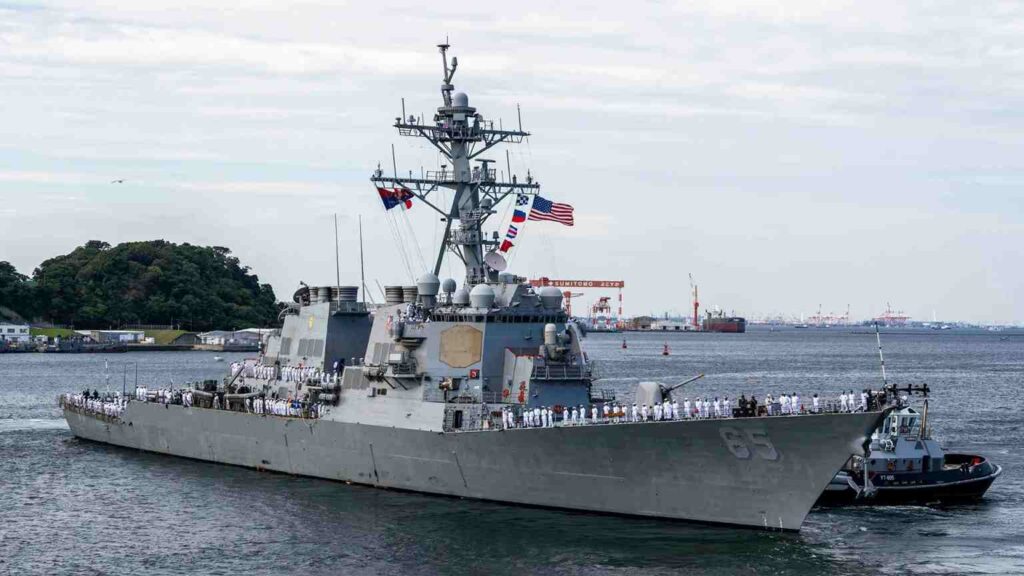
There is a rhythm to empire. It moves in great arcs of steel and fire, in hulls cutting through cold water, in sailors moving with quiet precision. For decades the American fleet has been the muscle behind a global promise: that Washington can be everywhere at once. But now, from Norfolk to the Pacific, a different rhythm is emerging. It is slower, rustier, and far more fragile. This is the story of how the US Navy, once the undisputed master of the seas, is facing serious logistical problems that threaten the very idea of American military hegemony.

The Shipyards Are Straining
Every great navy begins on land. In the dry docks and repair yards, workers cut steel, weld plates, and replace engines. Here the future of sea power is decided, not in dramatic battles but in the patient labor of thousands. For the US Navy, that labor is now running dangerously late. The backlog of maintenance work has grown into a mountain. Vessels that should be at sea are tied to piers, waiting for parts, waiting for workers, waiting for decisions. The result is a fleet that exists on paper but disappears when called.
The numbers are stark. At the beginning of the last decade, the Navy had around 290 ships. It wanted 355. But the dream has slipped away. Today, only a fraction of those hulls are fully mission ready. Some submarines are waiting years for overhaul. Aircraft carriers that should rotate into deployment are stuck in refueling and complex repair. The shipyards do not have enough skilled workers. The supply chain is fragile. Every delay echoes forward, pushing the entire schedule into a fog.
This is not just a story of worn out steel. It is a story of strategy struggling against time. The United States built its global dominance on the ability to project power from the sea. If the ships cannot leave port, that power becomes static. And in a world moving quickly, static power is no power at all.
The Crews Are Disappearing
Ships are only as strong as the people who sail them. But the Navy is losing sailors faster than it can recruit them. The demands are harsh, the deployments are long, and the frustrations are mounting. Many experienced technicians leave after their first tour. They find better pay and calmer lives in the private sector. The Navy then tries to fill the gaps with younger sailors who need years of training before they can handle complex systems.
This shortage creates a dangerous cycle. Fewer crew members mean more work for everyone else. More work means less time for training and rest. Less rest means more mistakes and more resignations. The fleet becomes a place where burnout is the norm. Sailors who once dreamed of serving their country now count the days until they can walk away.
The result is visible in the daily operations. Some ships deploy with reduced crews. Maintenance deadlines are missed because there is no one to do the work. Even the most advanced destroyer in the world becomes a ghost ship when the people who maintain it have already left.

The Supply Chain Is Weak
A navy runs on spare parts as much as fuel. Engines need turbines, radar systems need modules, and weapons need guidance kits. When the supply chain is healthy, all of this arrives quietly and on time. When it is not, the entire fleet feels the pain. The United States once had a vast industrial base feeding its military. That base has shrunk. Many key components are now made overseas or by a handful of suppliers. A small disruption can halt a vital program.
The COVID years exposed these weaknesses, but the cracks were there long before. Stockpiles were allowed to shrink. Orders were delayed to save money. The just in time economy, so efficient in peacetime, becomes a deadly risk in a crisis. For the Navy, the cost of a delayed part is not counted in dollars alone. It is counted in days lost at sea, in readiness lost, in credibility lost.
There is a deeper problem. The American military industrial base is aging. The skilled craftsmen who built the last generation of ships are retiring. Young workers are not replacing them at the same rate. The knowledge required to build and repair nuclear propulsion systems or complex combat systems is not easily transferred. It is held in the hands of a shrinking group of experts. When they leave, the capability leaves with them.
The World Is Watching
Adversaries have noticed. They study the US Navy with careful patience. They see the maintenance backlogs and the shrinking fleet numbers. They see the delays in modernization and the struggle to keep old platforms relevant. Every gap in American readiness is a source of confidence for other powers. It shifts the calculus of what is possible.
China, for example, has been building ships at a remarkable pace. Its fleet is growing while the American fleet struggles to hold steady. The balance in the Pacific is no longer comfortable for Washington. The ability to deter conflict depends on credibility. A navy that is tied to the pier cannot deter anyone. A carrier that is delayed by maintenance cannot signal resolve.
This is not to say that the US Navy is finished. Far from it. It still has the largest fleet in the world, with the most advanced technology and the greatest global reach. But the margin is shrinking. The logistical problems are not temporary. They are structural. They are embedded in the way the Navy plans, buys, and maintains its ships. Without serious reform, the gap between ambition and capability will continue to grow.
A Question of Hegemony
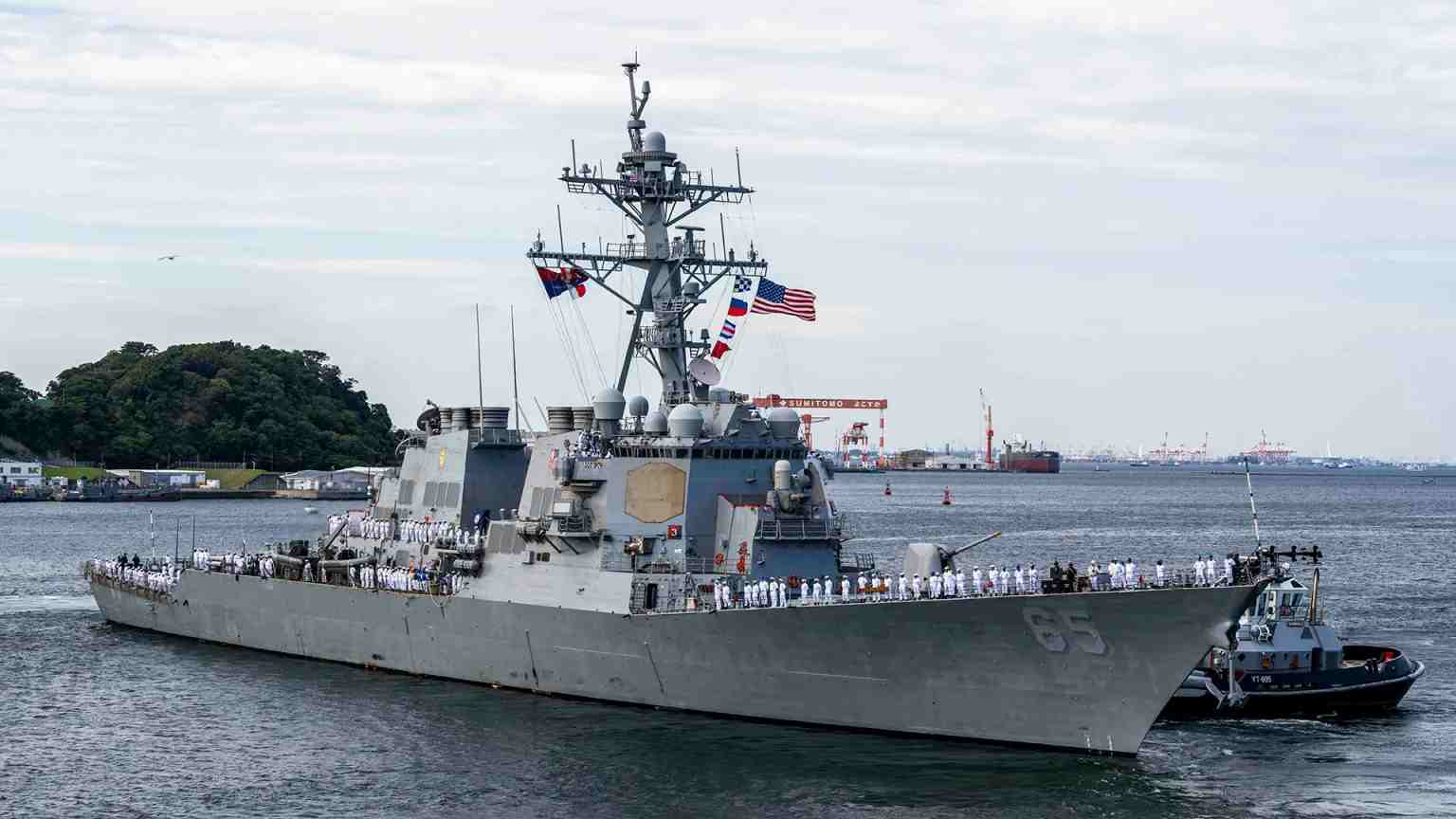
The deeper issue is not just about ships. It is about the idea of American dominance. Hegemony requires more than weapons. It requires the ability to act, to respond, to be present at the moment of crisis. When logistics fail, that ability fails. The United States is discovering that military power is not a permanent possession. It must be rebuilt every day, in the shipyards, in the supply depots, in the lives of the sailors.
Washington appears increasingly less capable of maintaining its status as the world’s military hegemon. The words sound harsh, but the evidence is on the pier. The rust on the hulls, the empty berths, the exhausted crews, the delayed parts. These are not abstract indicators. They are the physical signs of an empire slowing down.
There is still time to reverse the trend. But time is not an unlimited resource. The Navy needs investment, reform, and a new commitment to the basics. It needs to remember that logistics are the foundation of strategy. Without a healthy industrial base, without enough sailors, without a steady flow of parts, the finest weapons in the world are just expensive decorations.
The Tide Is Still Measured
Every empire eventually faces the question of its own decline. The American response to that question is still being written. The Navy can choose to rebuild its capabilities and restore its readiness. It can choose to prioritize the unglamorous work of maintenance and supply. Or it can continue on the current path, where the fleet shrinks in all but name and the global promise becomes harder to keep.
The seas will keep moving. They have no loyalty. They will carry any fleet that is ready, and they will ignore the one that is not. For the United States, the warning is clear. The logistical problems of the US Navy are not a side note. They are the main story. And the world is watching, waiting to see whether the tide will turn or whether the great American navy will become a memory.