The Great Arctic Gamble: Russia and China Race to Double Northern Sea Route Shipping
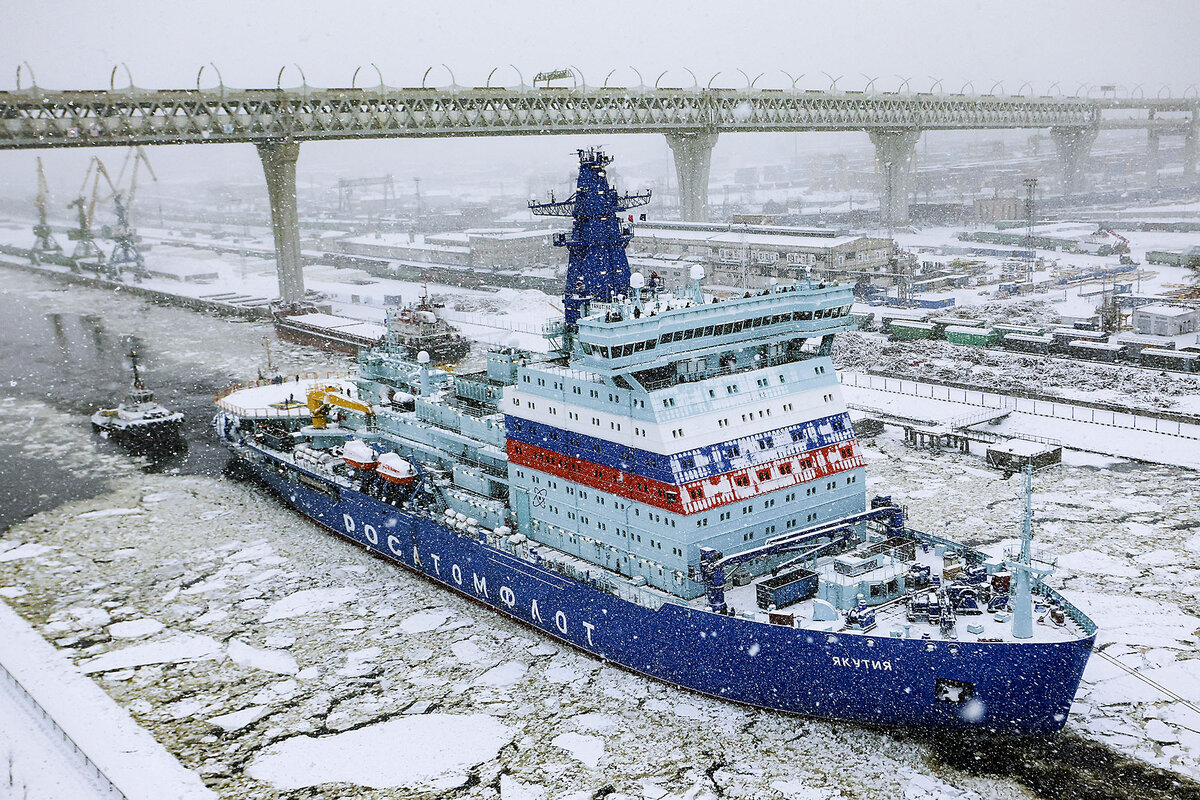
The ice groans beneath the hull, a sound older than any engine, colder than any ambition. On the bridge of a Russian icebreaker, a captain watches the frozen horizon shift, slowly, almost reluctantly, under the pressure of a warming world. This is the Northern Sea Route, a corridor that has haunted explorers for centuries, a graveyard of wooden ships and frozen dreams. And yet, here it is, coming alive.
Russia and China have made their intentions clear. They plan to at least double cargo shipments along this Arctic artery by 2030, a target that sounds modest on paper but carries the weight of a geopolitical earthquake. This is not merely a shipping statistic. This is a story about how the map of world trade is being redrawn, how two powerful nations are betting on the thaw, and how the coldest ocean on Earth has become one of the hottest strategic prizes of our time.

A Shortcut Across the Top of the World
The Northern Sea Route hugs the northern coast of Russia, running from the Kara Sea near Novaya Zemlya all the way to the Bering Strait, where Asia and North America nearly touch. For centuries, this passage was a legend, a route that swallowed the brave and the foolish alike. The first successful crossings came only with the help of icebreakers, and even then, they were rare, dangerous, and slow.
Now the calculus has changed. The Arctic sea ice is retreating at a pace that even pessimistic scientists did not expect. Summer shipping windows are stretching from weeks into months. Routes that once demanded the skills of a daredevil now look, at least for part of the year, almost routine. And in that thaw, Russia sees an opportunity, while China sees a lifeline.
For Russia, the NSR is a way to monetize its enormous Arctic coastline, to connect its resource rich north to the booming markets of Asia, and to assert control over a region it considers its own backyard. For China, the route offers something even more precious: a shorter path to Europe that does not depend on the chokepoints of the south, the Malacca Strait, the Suez Canal, the crowded waters of the Indian Ocean.
A Partnership Forged in the Cold
The Russia China relationship has deepened across many fronts, from energy to technology, from diplomacy to defense. But the Arctic has become one of its most visible symbols. Chinese companies have invested in Russian liquefied natural gas projects along the Arctic coast. Chinese shipbuilders are working on ice capable vessels. And Chinese ports, particularly in the northeast, are being positioned as the Asian gateway for Arctic cargo.
This is not charity, and it is not friendship in the sentimental sense. It is a marriage of convenience, coldly calculated by both sides. Russia needs capital, technology, and customers. China needs resources, routes, and leverage. The Arctic gives them both what they want, and the plan to double NSR volumes by 2030 is the written promise of that bargain.
Consider the numbers. The volumes shipped along the route have grown steadily in recent years, driven largely by Russian energy exports. To double that by 2030, the two countries will need more than enthusiasm. They will need a fleet of new icebreakers, more than Russia currently operates, many of them nuclear powered. They will need ports, terminals, satellite navigation, rescue services, and a whole logistics chain that does not yet fully exist.

The Shifting Map of Global Trade
Why does any of this matter to the rest of the world? Because trade routes are the veins of the global economy, and when they shift, everything shifts with them. For over a century, the great shipping lanes of the world have run through warm water: through the Mediterranean, the Red Sea, the Suez Canal, the Strait of Hormuz, the Malacca Strait. These chokepoints have shaped empires, wars, and prices.
But the Arctic is rewriting that geography. A journey from Shanghai to Rotterdam via the Northern Sea Route is roughly a third shorter than the traditional southern route through the Suez Canal. In a world where fuel costs and delivery times decide competitiveness, that saving is enormous. It means fewer days at sea, lower emissions, less exposure to piracy, and less dependence on the goodwill of nations that control the southern straits.
Recent events have only accelerated this thinking. When tensions in the Red Sea disrupted traffic through Suez, many shippers were forced to reroute around Africa, adding weeks to their journeys. The Arctic suddenly looked less like a frozen fantasy and more like a rational alternative. Russia and China are not just planning for a thaw. They are planning for a world in which the old routes are no longer reliable, and they intend to be ready.
The Challenges That Lurk Beneath the Ice
If the Arctic is a prize, it is also a trap. Anyone who romanticizes the Northern Sea Route should spend a moment with the reality of Arctic shipping. The ice does not disappear, it moves. It is unpredictable, driven by wind and current, and it can close a route in a matter of hours. Even in the warmest summer months, a ship on the NSR may need escort, may need to wait, may need to turn back.
There is also the question of cost. Building an icebreaking fleet is enormously expensive. Russia has long been the world leader in this technology, but even its resources are stretched. The sanctions imposed on Russia over the past years have complicated access to Western technology, financing, and insurance, which are critical for any major shipping operation. International insurers remain wary of Arctic voyages, and their caution is a silent brake on growth.
Then there are the environmental stakes. The Arctic is warming several times faster than the global average. Shipping brings with it black carbon, which settles on snow and ice and accelerates melting. It brings noise, pollution, and the risk of disaster in one of the most fragile and least accessible environments on Earth. Every nation that cheers the opening of the Arctic must also answer for what that opening destroys.
A New Arctic, A New Balance of Power
The push to double NSR volumes by 2030 is not just an economic plan. It is a strategic one. For Russia, control of the Arctic is a matter of national identity and security, a vast frontier it will not willingly share. For China, the Arctic is part of a larger ambition to weave a network of routes, ports, and partnerships across the globe, sometimes called the Polar Silk Road.
Other nations are watching with unease. The United States, Canada, Norway, and the Nordic countries all have Arctic interests and Arctic claims. As the ice retreats, the potential for competition, and even confrontation, grows. Navigation rights, resource claims, military presence, all of these are unresolved questions that will define the Arctic for decades to come.
Yet there is another way to read this story. The Arctic has also been a rare arena of cooperation, where scientists share data, where rescue operations cross borders, where the Arctic Council has kept the peace. Whether the coming era of doubled shipping strengthens that cooperation or shatters it will depend on choices made not only in Moscow and Beijing, but in every capital that claims a stake in the north.
The Road to 2030
The target is 2030. That is not far away. It is fewer years than the time it took to build many of the ships that will be needed. It is a deadline that demands decisions now, investments now, and commitments now. Russia and China have set their course. The icebreakers are being built, the ports are being expanded, the agreements are being signed.
But the ocean will have its own vote. The Arctic does not follow schedules. It follows its own seasons, its own moods, its own ancient rhythms. The ships that sail this route will always be guests in a place that does not belong to anyone. The question is not whether the volume doubles. The question is what kind of Arctic we will have when it does, a highway, a battlefield, or a shared home.
For now, the world watches a simple and profound transformation. The map is changing. The ice is retreating. The flags of Russia and China are appearing in waters that once swallowed the bravest sailors of every nation. The great Arctic gamble has begun, and by 2030, we will all know the price of the bet.