Split Transition: BRICS Smashes Renewable Records and Fossil Records Too
Some years arrive quietly, barely leaving a mark on the page of history. Others arrive like a storm and reshape the story of a generation. For the BRICS nations, 2025 belongs firmly in the second category. In a single span of twelve short months, this coalition of major emerging economies pulled off something that energy analysts once called impossible. They set a new all time high for power capacity additions, and they did it across renewable and fossil sources alike. The sun, the wind, the coal seam, and the oil field all delivered at once, and the world took notice.
It is a story of momentum without a clear direction, of growth that refuses to pick a side. It is a tale of a planet moving forward and backward in the very same breath. And it is a story the entire world is now watching with a mixture of hope and unease.

A Year That Defied Every Expectation
When the final tally of 2025 came together, the numbers carried a strange kind of weight. Across the BRICS, power capacity expansion shattered every previous record. Additions to solar and wind generation climbed to levels never before seen in the history of the bloc. At the very same time, additions to coal, oil, and gas capacity also reached fresh highs. For anyone expecting a simple tale of green triumph, the data offered something far more complicated and far more interesting.
This is the paradox at the heart of the year. The cleanest energy sources on earth and the dirtiest ones grew together, hand in hand, on the same soil and under the same sky. No single chart could capture it cleanly. No simple headline could hold it all.
The Renewable Surge Nobody Can Ignore
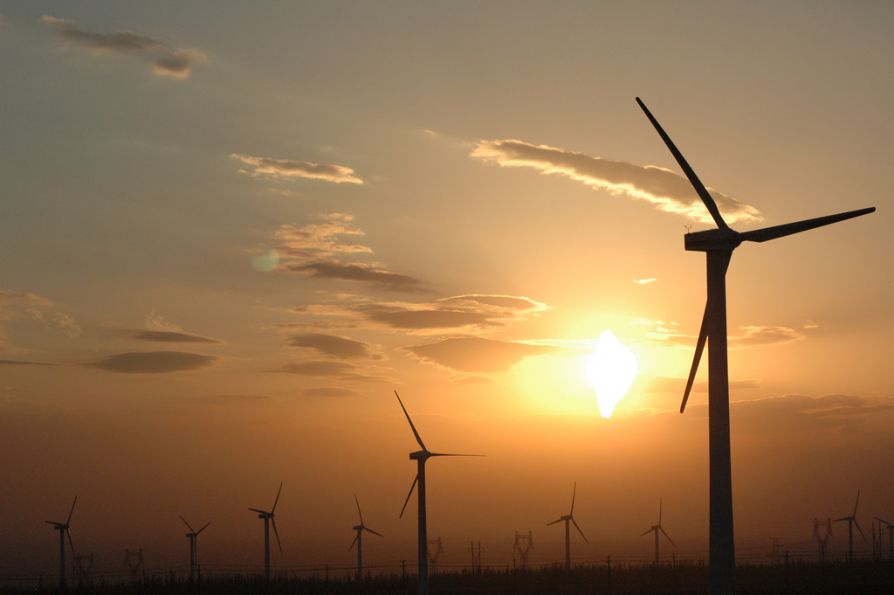
The most striking headline of the year belongs to solar and wind. Fields of panels stretched further than the eye could follow, glittering under relentless sun. Wind farms rose along windy coastlines and across wide open plains, their blades turning steadily against the horizon. Together, these two sources pushed renewable capacity additions to a level the BRICS had never approached before.
Behind the boom lies a simple truth that has quietly changed everything. Costs fell, technology matured, and demand kept rising without pause. Nations that once hesitated to invest found the economics impossible to resist. A panel that cost a fortune a decade ago now delivers power at a fraction of that price. A turbine that once seemed exotic now sits at the heart of national energy plans. The clean transition stopped being a slogan and became a spreadsheet decision that simply made sense.
For millions of ordinary people, this is not an abstraction. It means lights that stay on through the night, factories that keep running through the week, and communities that finally gain access to power they were long denied. The renewable boom is quietly rewriting daily life across three continents, one rooftop and one turbine at a time.

The Fossil Fuel Paradox
Yet the same year carried a second and much harder truth. Fossil capacity did not shrink. It grew. Additions to coal, oil, and gas also reached new records, matching the renewable surge stride for stride. The old engines of the industrial age were not fading gently into memory. They were being rebuilt, expanded, and reinforced.
Why would nations racing toward a clean future pour so much into the fuels of the past? The answer is tangled and deeply human. Many BRICS economies are still growing fast. Populations climb, cities expand, and industry demands energy around the clock. Renewables deliver powerfully when the sun shines and the wind blows, but the grid still needs steady and dependable supply for all the hours in between. In the minds of planners, fossil fuels remain the reliable backbone that keeps the whole system standing.
There is also the heavy weight of history. Decades of infrastructure, investment, and hard won expertise are tied to coal, oil, and gas. Those systems employ millions of people. They fund national budgets. They anchor entire regions and shape local politics. Turning them off overnight is not a policy choice any government can realistically make.
Why Both Engines Are Running at Once
So the BRICS find themselves running two engines at the same time. One points toward a cleaner tomorrow. The other keeps the lights on today. This is what observers now call a split transition, a moment when the future and the past grow side by side rather than one simply replacing the other.
It would be easy to call this a contradiction, a failure of will or a triumph of habit. In truth, it is closer to a strategy. Emerging economies argue that they cannot afford to choose. Wealthy nations built their prosperity on cheap fossil fuel for two centuries. Now, the argument goes, the developing world deserves the same room to grow while it builds the clean systems of tomorrow.
There is pragmatism in this position, and there is real risk. Every new coal plant and every new gas field locks in emissions for decades to come. Every delay makes the climate math harder and the future more uncertain. The split transition buys precious time, but it also spends that time as quickly as it is earned.
What This Means for the Global Energy Map
The implications stretch far beyond the BRICS themselves. When a bloc of this size moves, markets around the world listen. Demand from these nations shapes global prices, investment flows, and the pace at which new technology spreads. A renewable surge here lowers costs everywhere. A fossil expansion here keeps old supply chains alive and well.
The result is a world caught between two futures. Investors must weigh green growth against stubborn returns from traditional energy. Governments must balance bold climate promises against the immediate needs of their people. The BRICS have become the stage where this global drama plays out most vividly, and every other nation is watching from the wings.
The Road Ahead
What happens next depends on choices being made right now. Grids must be strengthened so they can absorb more renewable power without strain. Storage must mature so clean energy can serve the night as well as the day. Policy must become steady enough for long term investment to flourish and grow.
If those pieces fall into place, the fossil record of 2025 may one day look like a peak rather than a plateau. If they do not, the split transition could stretch on for years, growing both futures at once while the climate clock keeps ticking louder and louder.
Conclusion
The story of 2025 is not a simple victory or a simple failure. It is a portrait of a world in motion, refusing to move in a straight line. The BRICS broke renewable records. They broke fossil records too. Both facts are true, and both of them matter deeply.
What the year proves is that ambition and contradiction can live together in the same house. The question now is whether the clean half of this boom can grow fast enough to outrun the dirty half. That answer will not be written by analysts or forecasters. It will be written by the choices these nations make in the decade ahead.