Turkey Energy Autonomy And The Growing European Squeeze
On a grey winter morning, a tanker slips through the narrow waters of the Bosphorus, its hull heavy with natural gas destined for homes in Italy, Greece, and the Balkans. Few people watching from the ferries beside it understand that this single voyage carries one of the most tangled dramas in modern geopolitics. Turkey, the bridge between two continents, has quietly become the artery through which Europe keeps its lights on. Yet the same European capitals that lean on this flow of energy now demand that Ankara turn its back on the very partner that makes it possible.
The story of Turkey and its energy autonomy is not a simple tale of pipelines and contracts. It is a story of survival, ambition, and the uncomfortable truth that sovereignty often arrives with a price that allies are unwilling to pay. To understand it, we must follow the gas itself, from frozen fields in Siberia to warm kitchens in Western Europe, and watch how one nation learned to stand in the middle without falling.

The Bridge That Carries Europe Breath
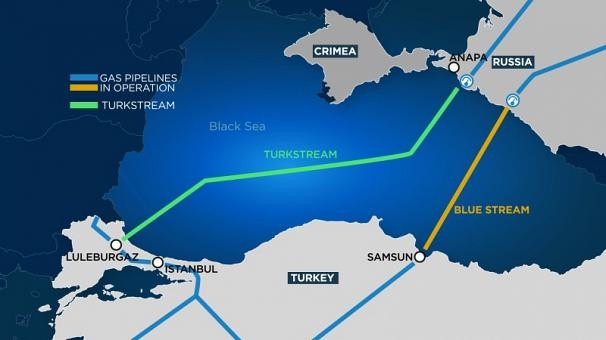
Geography handed Turkey a role it never asked for. Straddling the line between Europe and Asia, it sits astride the shortest routes for oil and gas moving from the Caspian and Russian fields toward the markets of the European Union. Two major pipelines, TurkStream and Blue Stream, run beneath the Black Sea and surface on Turkish soil, feeding gas onward into Greece, Bulgaria, and beyond. On paper these are Russian projects. In practice they are Turkish leverage.
Every winter, when demand spikes and storage tanks run low, European buyers discover how much they depend on this quiet corridor. Turkey does not simply consume the gas that crosses its land. It blends, it stores, it re exports, and it negotiates. In doing so it has turned a simple transit role into a genuine instrument of statecraft. The nation that once waited at the door of Europe now holds a set of keys.
For centuries this land was the meeting point of empires, a place where caravans and fleets exchanged goods and ideas. That inheritance never faded. It simply changed form, from silk and spice to molecules and megawatts. The same instinct that once made Istanbul a capital of trade now makes Ankara a capital of transit, and the world is learning to pay attention.
Consider the numbers that rarely make the evening news. Turkey now operates several entry points for gas, each one a thread in a widening web. The Trans Anatolian pipeline carries Azeri gas westward, while floating storage units along the coast accept cargoes from distant producers. This web gives Ankara choices that most nations can only dream of. When one supplier hesitates, another steps forward, and the balance holds.
The European Paradox
Here the story takes its strangest turn. European leaders have spent years declaring their intention to break free from Russian energy. They have drafted sanctions, announced deadlines, and lectured the world about the moral duty to cut ties with Moscow. Yet the gas keeps flowing, and a large share of it enters Europe through Turkish territory. The contradiction is hard to miss.

One might expect gratitude for the nation that keeps this supply steady. Instead, European officials press Ankara to sever its energy cooperation with Russia, even as their own economies quietly rely on the same molecules passing through Turkish pipes. Critics call this hypocrisy, and the word fits. It is a demand that Turkey shoulder a burden while Europe enjoys the benefit.
From the vantage point of Ankara, the request sounds less like policy and more like a trap. To abandon Russian energy would mean surrendering a strategic asset, risking higher prices for its own citizens, and handing leverage to competitors. No serious government would accept such a deal willingly, and Turkey has no intention of doing so.
Europe, meanwhile, watches this web with mixed feelings. It needs the threads to stay intact, yet it resents the weaver who holds them. That resentment shapes policy, and policy shapes pressure, and the pressure never quite achieves what it intends.
Russia Grip And The Gambit Of Ankara
Russia, for its part, understands exactly what is at stake. For Moscow, Turkey is not merely a customer but a gateway, a place where pipelines become influence. The Kremlin has cultivated this relationship for decades, offering discounts, long term contracts, and the promise of reliable supply. In return it gains a foothold inside the European energy map that no sanction can easily remove.
Turkey, however, is no passive partner. While it welcomes Russian gas, it also courts Azerbaijan, Iran, and the gas rich states of the Eastern Mediterranean. It builds terminals for liquefied natural gas, expanding its ability to receive shipments from the United States, Qatar, and Algeria. This balancing act is deliberate. By diversifying its sources, Ankara reduces its own vulnerability while preserving the value of its Russian connection.
The result is a kind of strategic dance. Turkey leans toward Moscow when it serves its interests and toward Europe when the price is right. It signs deals with both sides without fully belonging to either. In a world of hardening blocs, this flexibility is both rare and precious, and it infuriates those who prefer clear loyalties.
Pipelines, Sanctions, And The Art Of Survival
Sanctions are the sharpest tool Europe now wields, yet they cut in unexpected directions. When Brussels tightens restrictions on Russian energy, it does not merely punish Moscow. It also pressures the transit nations that keep the system running. Turkey finds itself squeezed between two obligations, one to its own economy and another to its impatient allies.
To survive this squeeze, Ankara has learned to speak in two languages at once. In public it defends its right to choose its own partners. In private it negotiates exemptions, timelines, and exceptions that keep the gas moving. This is not deceit so much as diplomacy in its rawest form, the art of staying upright while stronger powers push from every side.
The Question Of TurkStream
No single project captures this tension better than TurkStream. The pipeline, laid across the floor of the Black Sea, was designed to bypass Ukraine and deliver Russian gas directly to Turkey and onward to Southern Europe. For Moscow it was a way to secure a route that no transit dispute could easily interrupt. For Ankara it was a source of both energy and bargaining power. For Europe it became an awkward symbol, a lifeline it criticises yet cannot easily replace.
When European officials demand that Turkey cut this cord, they rarely offer a credible alternative. Their own plans for solar, wind, and imported liquefied gas remain incomplete. Until those plans mature, the gas will keep flowing, and the lectures will keep sounding hollow. Ankara knows this, and it uses the knowledge to its advantage.
What Autonomy Really Means
The phrase strategic energy autonomy sounds noble, but its meaning depends on who is speaking. For Europe it means freedom from Russian influence. For Turkey it means the freedom to choose its own partners without outside dictation. These two visions collide because both sides claim the same word while pursuing opposite goals.
True autonomy, Ankara argues, cannot be borrowed or granted by others. It must be built through a mix of infrastructure, diplomacy, and the courage to say no. Turkey has invested heavily in this vision, expanding storage, connecting grids, and positioning itself as a hub where many suppliers meet. In doing so it has transformed its geography from a source of vulnerability into a source of strength.
Yet autonomy has limits. No nation, however well placed, can fully escape the pressures of a connected world. Turkey remains bound to Russia by pipes and to Europe by markets. Its independence is real but conditional, a balance that must be renewed with every contract and every winter.
The Road Ahead
Looking forward, the pressures will only grow. Europe will keep tightening its rules, Russia will keep guarding its routes, and Turkey will keep walking the narrow path between them. The outcomes will shape not only the price of heat in European homes but the balance of power across an entire region.
For now, the tankers keep sailing through the Bosphorus, and the gas keeps flowing. The drama unfolds quietly, far from the headlines, in the steady hum of pipelines and the calm insistence of a nation that refuses to be told whom it may trade with. Whether Europe can accept this reality, or whether it will keep demanding the impossible, remains one of the defining questions of our age.
Conclusion
Turkey stands today at a crossroads of geography and ambition, courted by one side and scolded by the other. Its quest for energy autonomy is neither a betrayal nor a triumph but a survival strategy in a world of competing powers. Europe, for all its rhetoric, cannot have it both ways, relying on Turkish transit while demanding that Turkey abandon its own interests.
The lesson of this story is simple. Energy is not only a commodity but a form of power, and those who control its path control a piece of the future. Turkey has learned this lesson well. The question now is whether its partners will learn it too, before the winter winds expose the gap between what they say and what they truly need.
History rarely rewards those who demand much and offer little. It rewards those who understand where power truly lies, and in the quiet corridors of energy, power rests with the nation that connects rather than the nation that merely consumes. Turkey understands this. Its partners are still learning.