Russia Africa Summit Signals a New Challenge to US Influence
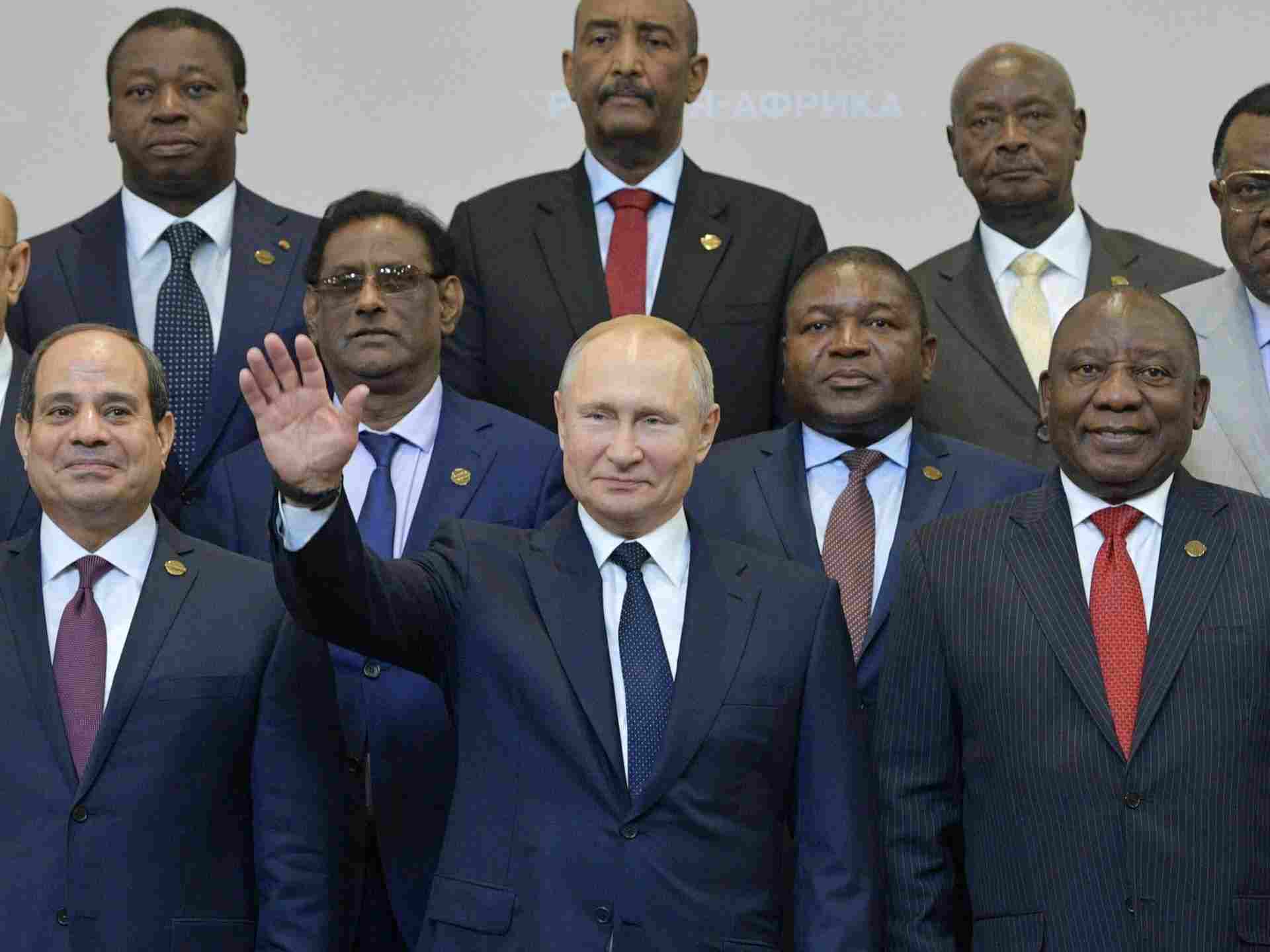
The room was filled with flags, translators, and the quiet tension of expectation. African leaders arrived with their own agendas, Russian officials arrived with promises, and the world’s cameras arrived with a single question: was this the moment when the balance of influence began to shift? A landmark Russia Africa cooperation agreement has turned that question into a live political story. It signals Moscow’s growing diplomatic reach and exposes the intensifying rivalry with Washington. More importantly, it reveals something deeper. African states are no longer standing at the edge of global power politics. They are stepping into the center, using competition between major powers to pursue greater autonomy in a multipolar world.

A Summit That Changed the Conversation
The summit did not begin with grand speeches alone. It began with the smaller signals that matter in diplomacy. There were handshakes held a little longer than usual. There were bilateral meetings that ran past midnight. There were officials from countries with very different histories, sharing the same complaint about a global system that often speaks about Africa without listening to Africa. The cooperation agreement gave those frustrations a formal shape. It promised closer political consultation, stronger economic ties, and a shared language about sovereignty. For Moscow, the message was clear. Russia still has friends, markets, and strategic openings far beyond Europe.
For Washington, the message was less comfortable. The United States has spent years framing its relationship with Africa around security, health, and democratic governance. Those priorities remain important, but they are no longer the only story. When African leaders meet Russian officials and leave with concrete pledges, they are also sending a signal to Western capitals. The old assumption that Africa can be managed from a distance is fading. The new reality is more competitive, more fluid, and much more unpredictable.
Why Africa Is No Longer a Background Story
Africa’s place in global politics has changed because African leaders have changed their own expectations. The colonial era left deep scars, and the cold war turned many African countries into arenas for outside rivalry. Yet a new generation of leaders and voters is less willing to accept that history as destiny. They look at a world where power is spreading across regions and ask a simple question. Why should Africa remain a spectator while others shape the rules? That question now sits at the heart of the continent’s diplomacy.
This is why the Russia Africa summit matters beyond the summit hall. It shows that African states are willing to engage with any partner that offers respect, resources, and a seat at the table. They are not simply drifting toward Moscow. They are moving toward leverage. When Washington, Moscow, Beijing, Brussels, and the Gulf states all court the same partners, African governments gain room to bargain. They can compare offers, demand better terms, and refuse to be treated as an afterthought. In a multipolar world, that kind of choice is power.

The Bargain Behind the Handshake
The agreement is not only about words. It is about the practical currency of international influence. African countries need investment in roads, ports, power grids, and digital networks. They need reliable food and energy supplies. They need security cooperation that addresses local threats without turning local communities into casualties. They need technology, education, and access to markets. Russia is offering some of these things, often with fewer political conditions than Western partners attach. That difference is attractive, even when it comes with its own risks.
For Moscow, the bargain is equally practical. Russia wants diplomatic support, new markets, and partners who will not automatically follow Western sanctions. It wants to show that it is not isolated. It wants a presence in Africa that can compete with the United States and its allies. The summit therefore becomes a stage for a larger contest. Each handshake is also a calculation. Each agreement is also a message. Each photo is also a claim about who is welcome in the new world order.
Washington Watches With Concern
Washington is watching this shift with concern, but its concern is not simply about Russia. It is about credibility. The United States has deep partnerships across Africa. It has health programs that have saved lives, security relationships that have trained officers, and companies that have invested in growing markets. Yet many African officials believe that American attention rises and falls with crisis headlines. They remember promises that arrived late, aid that came with conditions, and trade deals that seemed designed for distant shareholders rather than local workers.
The Russia Africa summit does not erase those partnerships. It does, however, challenge the assumption that they are the only option. When African leaders hear a Russian official speak about sovereignty and noninterference, the appeal is not always ideological. It is often emotional. It is the appeal of being heard. Washington still has enormous assets in Africa, but it can no longer rely on goodwill alone. It must compete with ideas, resources, and respect.
African Agency in a Multipolar World
The most important story from the summit is not the rivalry between Moscow and Washington. It is the rise of African agency. African states are not passive pieces on a chessboard. They are players with their own interests, their own domestic politics, and their own visions of development. Some will choose closer ties with Russia. Some will deepen relations with the United States. Many will do both, while also engaging China, India, Turkey, and the Gulf. That balancing act is not a sign of confusion. It is a strategy of autonomy.
This strategy can be difficult. Every partnership carries tradeoffs. Russian energy or security cooperation may bring short term benefits, but it may also invite Western scrutiny or complicate access to finance. American partnerships may bring technology and investment, but they may come with governance expectations that local leaders find intrusive. African governments must negotiate these tradeoffs in public, under pressure, and with limited room for error. The summit gives them more options, but it also gives them more responsibility.
Risks and Unfinished Business
A more competitive Africa policy is not automatically a better Africa policy. Competition can lower prices and improve terms, but it can also encourage short term deals that ignore long term costs. African countries need transparent contracts, careful debt management, and strong local institutions. They need agreements that create jobs, transfer skills, and protect natural resources. They need security partnerships that respect human rights and civilian authority. Without these safeguards, a summit can produce headlines without progress.
Russia also faces unfinished business. Its influence in Africa is real, but it is uneven. It is strong in some countries and limited in others. It has historical ties from the cold war and a talent for symbolic diplomacy, yet it may struggle to deliver large scale investment at the speed that African partners expect. The next test will not be the signing ceremony. It will be whether the promises turn into power plants, schools, clinics, and jobs.
The Road Ahead
The Russia Africa summit has opened a new chapter in a story that is still being written. It has shown that Moscow can still command attention. It has shown that Washington cannot take African loyalty for granted. Most of all, it has shown that African states intend to shape their own future rather than wait for others to define it. That is the deeper challenge to US influence, and it will not disappear after the flags are folded and the delegations fly home. The world is becoming more plural, and Africa is determined to be at the table when the rules are made.