Jakarta Sets the Stage for a New Era in Southeast Asia Gulf Transport Ties
There is a kind of electricity that fills a room when old allies begin to dream in a new direction. That energy was present in Jakarta, where officials from Indonesia and Saudi Arabia gathered around the same table to talk about something much bigger than diplomatic pleasantries. They talked about movement. The movement of people, the movement of goods, and the movement of ideas across two of the most dynamic regions on Earth. The meeting, held under the BRICS Plus umbrella, may not have made global headlines, but it could very well reshape how Southeast Asia connects to the Gulf for decades to come.

For years, the relationship between Southeast Asia and the Middle East has been defined by energy imports, religious pilgrimage, and remittances. But the world has changed. The Gulf states are no longer just exporters of oil. They are building cities, diversifying economies, and investing in logistics on a scale that rivals the most ambitious nations in Asia. Indonesia, for its part, has emerged as a confident middle power with a growing economy, a vast archipelago, and a strategic location along some of the busiest sea lanes in the world. When these two forces meet, the conversation naturally turns to transport.
The Jakarta meeting was not merely ceremonial. It was a working session that brought together policymakers, transport planners, and business leaders to map out concrete steps. The goal is to create a seamless web of connections that can carry passengers and freight between Indonesia and Saudi Arabia, and by extension, between Southeast Asia and the wider Gulf region. That means better shipping routes, stronger port cooperation, expanded air links, and even conversations about rail connectivity that once seemed impossible. This is the kind of collaboration that the BRICS Plus format is designed to encourage.
A Meeting with a Mission
Every transformative relationship starts with a single conversation. The Jakarta meeting was that conversation for Indonesia and Saudi Arabia in the field of transport. The two nations have long shared a warm relationship, rooted in faith, trade, and mutual respect. But this gathering had a specific mandate. It was about turning goodwill into infrastructure, and friendship into freight routes. The participants did not just talk about the way things are. They imagined the way things could be, and they started building the scaffolding for that future.
There was a clear sense of urgency in the room. Global supply chains are being redrawn. Nations are looking for partners who can offer reliability, speed, and safety. Indonesia offers an enormous domestic market and a strategic position between the Indian and Pacific Oceans. Saudi Arabia offers connectivity to the Red Sea, the Mediterranean, and the vast markets of Africa and Europe. Together, they form a corridor that could serve a massive share of global trade. This is not a dream. It is a logical next step in the evolution of world commerce.

Why Indonesia and Saudi Arabia Matter
To understand the importance of this meeting, one must look at the map. Indonesia is the largest archipelagic state in the world, with more than seventeen thousand islands. It sits at the crossroads of the region, controlling access to the Malacca Strait, the Sunda Strait, and the Lombok Strait. Saudi Arabia, meanwhile, commands the western end of the Indian Ocean trade routes, with ports on the Persian Gulf and the Red Sea. Any cargo moving between East Asia and Europe must pass near one of these two nations. A closer partnership between them is not just convenient. It is almost inevitable.
But the relationship is not only geographic. Saudi Arabia is investing heavily in its Vision 2030 program, which aims to modernize the kingdom and reduce its dependence on oil. Transport and logistics are central to that vision. The Saudis are building new ports, expanding airports, and developing rail networks that will connect the Gulf to the Red Sea. Indonesia is undergoing a similar transformation. The new capital Nusantara is being developed in Kalimantan, and the government is pouring resources into maritime infrastructure. When two such ambitious projects align, the potential is enormous.
The Maritime Corridor Gets a Boost
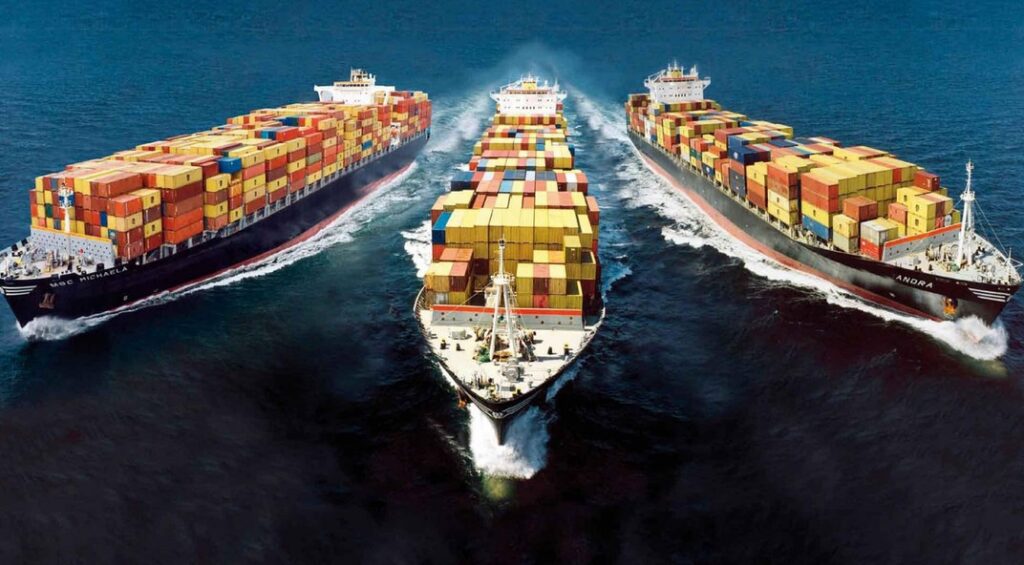
Shipping is the lifeblood of global trade, and the Indonesia Saudi Arabia route is poised for a major boost. The two countries have discussed the possibility of direct shipping lines that would reduce transit times and lower costs for exporters and importers. Currently, much of the cargo between the two regions travels through transshipment hubs like Singapore or Dubai. Direct connections would change the game, allowing Indonesian palm oil, coffee, spices, and manufactured goods to reach Saudi markets more efficiently. At the same time, Saudi petrochemicals, plastics, and date products could find a stronger foothold in Southeast Asia.
Port cooperation is another key piece of the puzzle. Indonesia is modernizing its major ports, including Tanjung Priok in Jakarta, Tanjung Perak in Surabaya, and Belawan in Medan. Saudi Arabia is expanding its logistics capacity at Jeddah Islamic Port, King Abdullah Port, and Dammam. By sharing technology, best practices, and investment, the two nations can build a maritime network that is faster, greener, and more resilient. The Jakarta meeting laid the groundwork for agreements that could see joint ventures in port management, shipbuilding, and maritime training. This is not just about moving containers. It is about building a shared future on the water.
Aviation and the Pull of the Gulf
While maritime routes carry the weight of trade, aviation carries the speed of connection. The skies between Southeast Asia and the Gulf are already busy, with thousands of flights each year carrying pilgrims, tourists, business travelers, and migrant workers. But the opportunity is much larger. Indonesia and Saudi Arabia have agreed to explore expanded air service agreements that would allow more airlines to fly direct routes between major cities like Jakarta, Surabaya, Medan, Jeddah, Riyadh, and Dammam. More flights mean more competition, lower fares, and greater convenience for travelers.
There is also a growing interest in aviation infrastructure. Saudi Arabia is building a massive new airport in Jeddah and has plans for a major aviation hub in Riyadh. Indonesia is upgrading its airports across the archipelago, with a focus on improving safety and passenger experience. Collaboration between the two countries could include everything from airline codeshare agreements to joint training programs for pilots and mechanics. The Jakarta meeting cleared the runway for these conversations, and the next few years could bring a dramatic expansion of the air corridor between the two nations.
Railways and the Promise of the Silk Road
Rail might seem like an unlikely topic in a conversation between two island and desert nations, but the Jakarta meeting proved that imagination has no limits. Indonesia is developing its first high speed rail line between Jakarta and Bandung, and there are ambitious plans to extend rail networks across the islands. Saudi Arabia already has a modern railway system, including the Haramain High Speed Rail that connects Mecca and Medina. The idea of connecting these systems through a broader maritime and rail corridor is gaining traction, especially as the Gulf states push for greater integration with Asia.
This is not about building a physical train track across the Indian Ocean. It is about creating seamless intermodal connections, where cargo can move from ship to rail to truck without unnecessary delays. It is about harmonizing customs procedures, digital documents, and safety standards. The Jakarta meeting produced a strong signal that both governments are willing to invest in this kind of smart connectivity. The old Silk Road may have been overland, but the new Silk Road is multimodal, and Indonesia and Saudi Arabia are positioning themselves as key nodes in that network.
What This Means for Trade and Travel
So what will change for ordinary people? Quite a bit, actually. Businesses in Jakarta will find it easier to export goods to the Gulf, and Saudi companies will have better access to Indonesian consumers. Small and medium enterprises will benefit from logistics that are faster and more affordable. Travelers will enjoy more flight options and smoother visa processes. Pilgrims going to Mecca and Medina will have more choices for their journey, and the experience will be less stressful. Students, healthcare seekers, and tourists will also find it easier to move between these two vibrant regions.
The economic impact could be profound. Trade between Indonesia and Saudi Arabia is already worth billions of dollars, but the full potential remains untapped. By improving transport links, both countries can diversify their trade baskets and reduce their reliance on traditional partners. Indonesia can position itself as a gateway to the Association of Southeast Asian Nations market, while Saudi Arabia can serve as a gateway to the Middle East and beyond. This is a win win scenario, and the Jakarta meeting was a powerful step toward making it real.

A Blueprint for the Global South
The Jakarta meeting also carries a symbolic weight that extends far beyond the two countries. It is a demonstration of what the BRICS Plus framework can achieve. Instead of waiting for traditional powers to set the agenda, emerging economies are creating their own networks of cooperation. This is not about confrontation. It is about collaboration, based on shared interests and mutual respect. Indonesia and Saudi Arabia are showing that the Global South can build world class transport connections without depending on old maritime powers. That is a powerful message for a changing world.
There are challenges, of course. Financing large infrastructure projects is never easy. Regulatory differences can slow down progress. Geopolitical tensions in the Red Sea and the South China Sea add a layer of complexity. But the fact that Jakarta and Riyadh are willing to tackle these challenges together is a sign of maturity. The transport links being discussed are long term investments, and they will require patience, persistence, and political will. The Jakarta meeting has supplied the initial spark, and now the work begins.
The Road Ahead
The road from Jakarta to the Gulf is not a straight line. It winds through ports, airports, railways, and the offices of planners who have to think in decades. But that road is now being paved. Indonesia and Saudi Arabia are charting a bigger course for transport ties, and the world should pay attention. Every crate that moves from Surabaya to Jeddah, every passenger who flies from Medina to Makassar, and every digital customs form that crosses borders will be a reminder that this meeting mattered.
The promise of the BRICS Plus format is that it allows countries to work together on issues that truly affect people’s lives. Transport is one of those issues. It connects families, powers businesses, and shapes the way cultures interact. By investing in these connections, Indonesia and Saudi Arabia are not just building infrastructure. They are building trust. And trust, in the end, is the most important cargo of all.
Jakarta has set the tone. The Gulf is listening. Southeast Asia is watching. The next chapter of global transport is being written, and it starts with a handshake between two nations that understand the value of movement. The journey is just beginning, and the destination is a future where distance is no longer a barrier but an invitation to connect.