India and Russia Weave a New Textile Future Together
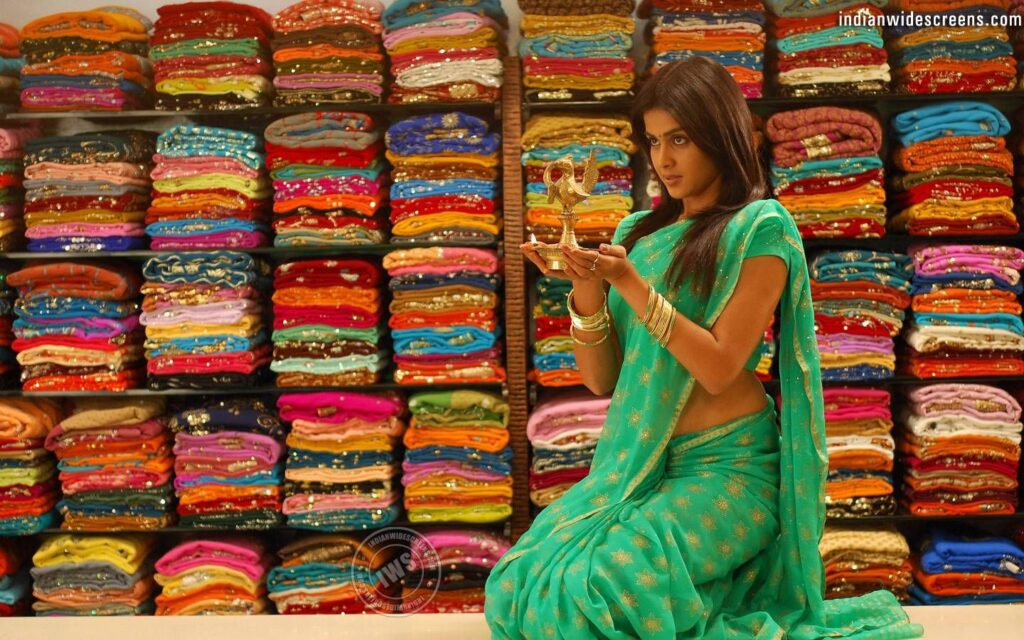
There is a rhythm to the loom that has not changed for centuries. In India, artisans weave stories into cloth, passing down patterns from one generation to the next. In Russia, vast landscapes and cold winds have shaped a tradition of wool that speaks of endurance and warmth. Today, these two textile traditions are beginning to move toward each other.

India and Russia are exploring a deeper textile partnership. The vision includes joint manufacturing, better market access, and the use of Russian wool in Indian production. This comes at a time when global supply chains are under pressure and many nations are rethinking their trade alliances. The move is about more than fabric. It is about building a dependable route for growth.
The textile industry has always been a marker of economic strength. India is one of the world’s largest producers of textiles and garments. Russia holds significant resources, especially in natural fibers such as wool. By combining their strengths, the two countries can create a partnership that is both strategic and practical.
For years, India and Russia have traded in defense, energy, and technology. But textiles offer a different kind of connection. This is a sector rooted in everyday life. It is visible, tactile, and deeply human. Expanding cooperation in textiles signals a desire to deepen the relationship beyond traditional sectors. This is a new chapter in an old friendship.
Why Textiles Matter in This Moment
Global supply chains have faced serious disruptions. Shipping routes have shifted. Trade policies have become more complex. In this environment, countries are looking for alliances that feel secure. India and Russia have shared economic interests for decades. Now they are adding a new layer to that relationship through textiles.
Textiles are an essential part of daily life. Every nation needs clothing, home furnishings, and industrial fabrics. The demand for sustainable and natural materials is also growing. Russian wool, known for its quality, can become an important input for Indian mills. This creates a direct connection between the raw material power of Russia and the production capacity of India.
The Promise of Russian Wool
Russian wool has distinct qualities. It comes from regions with cold climates, which helps produce fibers that are strong, warm, and durable. Indian manufacturers can use this wool to create a range of products, from premium apparel to home textiles. This is not just about replacing existing sources. It is about adding new options and improving product quality.
Russia has extensive pasture land and a long history of sheep rearing. However, the country has not always fully utilized its wool potential in international markets. India, on the other hand, has a vast textile infrastructure and a skilled workforce. The partnership could unlock value on both sides. Indian designers and producers can experiment with Russian wool while Russian suppliers gain access to one of the world’s most dynamic textile markets.
The wool industry in Russia has faced challenges in recent decades, including limited access to international buyers. India can step in as a reliable partner. By integrating Russian wool into its production chains, India can help Russian wool regain a strong position in the global market. At the same time, Indian manufacturers can reduce their dependence on other wool supplying countries. This creates a win win situation.
Think of a wool farmer in the Russian heartland. Every season, the flock provides a renewable resource that has been cherished for centuries. Now imagine that same wool being transformed by Indian hands into elegant shawls, warm jackets, and beautiful upholstery. This is the kind of collaboration that can change lives on both sides of the border.
Building Joint Manufacturing
The idea of joint manufacturing is central to this evolving partnership. Instead of simply trading raw materials or finished goods, the two countries are exploring ways to produce together. This could involve setting up shared facilities, exchanging technical knowledge, and creating supply chains that span both nations.
Joint manufacturing also means shared learning. Indian textile engineers can bring their experience in efficient production and design. Russian technologists can contribute their understanding of wool processing and quality control. Together, they can develop products that are competitive in global markets.
The potential for innovation is also exciting. New fabrics can be developed using blends of Russian wool and Indian cotton. These fabrics could meet the growing demand for environmentally friendly products. They could also be used in high performance clothing for cold climates, which is a natural fit for Russia. The possibilities are limited only by the imagination and willingness of both sides to invest.
This is not a small ambition. It requires investment, coordination, and trust. But for countries that are serious about diversifying their trade, the reward is worth the effort. A joint manufacturing base can create jobs, reduce dependency on third parties, and provide a stable supply of high quality textile products.
Opening Market Access
Market access is another important pillar. Indian textile products already reach many global markets. Russia offers a large consumer base with growing demand for quality textiles. At the same time, Russian producers can benefit from India’s export networks. By lowering trade barriers and simplifying customs procedures, both governments can make it easier for businesses to move goods across borders.
Imagine a Russian woolen yarn arriving at an Indian port, being woven into fabric by skilled artisans, and then being shipped to markets across Asia, Africa, and beyond. This is not a distant dream. It is a realistic roadmap for the future of bilateral trade.
Trade agreements alone are not enough. Businesses need clear information, reliable logistics, and efficient payment systems. Both governments are aware of these needs. They are working on creating frameworks that support not just large companies but also small and medium enterprises. These smaller players often form the backbone of the textile industry, and their participation will be key to success.

A Larger Shift in Global Trade
The India Russia textile partnership is not happening in a vacuum. It reflects a larger shift in global trade. Many countries are moving away from over reliance on a single market. They are building multiple connections to protect themselves from sudden shocks. The textile sector, because it is so essential and so interconnected, offers a perfect starting point.
By working together, India and Russia are sending a signal. They are saying that economic cooperation can survive political storms and that trade can be a tool for stability. This is especially relevant in a time when geopolitical tensions are affecting everything from energy prices to food supplies. Textiles may seem like a soft industry, but it has the power to create jobs, support livelihoods, and build trust.
Countries around the world are watching. Some are waiting to see if this partnership will deliver real results. Others are already thinking about similar alliances. In this sense, the textile cooperation between India and Russia is not just a bilateral matter. It is part of a new map of global commerce.
Challenges and Realistic Hope
No partnership is without its challenges. Differences in regulations, quality standards, and business culture can create friction. Logistics can be complicated when goods travel such long distances. There is also the question of competition with other textile producing nations. But these challenges are not impossible to overcome.
Both India and Russia have experience in navigating complex trade relationships. They understand the importance of clear agreements and reliable communication. By starting with focused projects in wool processing and garment manufacturing, they can build confidence for larger initiatives. Successful pilot projects can lead to broader cooperation in areas like technical textiles, synthetic fibers, and sustainable fashion.
There is also the need to understand consumer preferences in each market. Russian consumers may prefer certain styles and colors, while Indian consumers have their own tastes. By studying these preferences, manufacturers can tailor their products. This is where market research and cultural exchange become valuable. The more both sides understand each other, the stronger the partnership will become.
The opportunity is enormous. India is expected to play a major role in the global textile industry in the coming years. Russia has the resources to support that growth. Together, they can create a partnership that is mutually beneficial and strategically important. This is not just about fabric. It is about weaving a new economic narrative.

A Shared Vision for the Future
The path forward will require patience, creativity, and commitment. It will also require a shared vision of what the textile partnership can become. For India, this is an opportunity to diversify its sources of raw materials and expand its export horizons. For Russia, it is a chance to transform its wool from an underutilized resource into a valuable commodity in international markets.
The vision extends beyond textiles. A successful partnership in this sector can open the door for collaboration in other industries. It can build a foundation of trust that makes future agreements easier. It can also show the world that India and Russia are capable of turning shared interests into concrete results. Textiles are the first step on a longer journey.
Both countries have much to gain from a relationship built on mutual respect. The textile sector is an ideal place to start because it touches everyday lives. Every garment, every blanket, every piece of fabric is a reminder of the human hands and natural resources that created it. By working together, India and Russia can ensure that these products carry a story of cooperation and shared progress.
Conclusion
The looms of India and the woolen fields of Russia are separated by thousands of miles, but they are now connected by a common purpose. As global supply chains shift and new economic alliances emerge, the textile partnership between these two nations offers a bright example of what is possible. Joint manufacturing, market access, and the use of Russian wool in Indian production are not isolated ideas. They are building blocks for a resilient and forward looking relationship.
The road ahead will not always be smooth, but the direction is clear. Thread by thread, product by product, India and Russia are weaving a future that is stronger and more colorful. The world is watching, and the possibilities are endless.