India 2026 BRICS Summit Powers the BRICS Plus Outreach Momentum
The year 2026 will be remembered as a quiet turning point in the story of global cooperation. When leaders from across the world gathered on Indian soil for the BRICS summit, few outside observers understood how deeply this single meeting would reshape the conversation about economic partnership, shared prosperity, and the rising voice of the Global South.
The host nation arrived with a bold vision. India, serving as president of the bloc, wanted far more than warm words and friendly photographs. It wanted deliverables, measurable results, and a renewed sense of togetherness among members and partners. By the time the final gavel fell, that ambition had become something real and tangible.

A Summit Built on Cohesion
Cohesion was the heartbeat of the gathering. In an age when the world often seems to pull apart, the BRICS nations chose to draw closer. Delegates spoke of trust, of shared challenges, of a common desire to build a fairer economic order. The atmosphere was not one of confrontation but of construction, brick by patient brick.
India worked tirelessly behind the scenes to bridge differences and align priorities. The presidency understood that a bloc is only as strong as the bonds between its members. Those bonds were tested, refined, and ultimately strengthened. When the closing declaration was read aloud, it carried the weight of genuine consensus rather than the thinness of a hurried compromise.
Observers noted that the summit produced concrete pledges on trade facilitation, financial cooperation, and sustainable development. Each pledge was carefully designed to move from paper to practice, from grand statements to daily impact.
The BRICS Plus Outreach Momentum
Perhaps the most striking theme of the summit was outreach. The BRICS Plus format, which invites a wider circle of emerging economies to the table, gained remarkable momentum. New voices joined the conversation, bringing fresh perspectives from Africa, Latin America, and Asia.
This outreach was never a symbolic gesture. It was a strategic decision to recognize that the challenges of our time, from climate change to supply chain resilience, cannot be solved by a handful of nations alone. The more hands that shape the table, the stronger that table becomes.

Leaders emphasized that expansion must be met with deeper integration. Adding partners without deepening cooperation would be like widening a river without deepening its channel. The summit therefore paired its warm welcome of new participants with a serious commitment to making the existing architecture work better for everyone involved.
There was also a clear message about identity. The bloc is not a fortress built to keep others out. It is a platform built to invite others in. That open spirit gave the outreach real power and lasting charm.
India as Host and Bridge
Hosting the summit placed India in a unique position. The nation served as a bridge between continents, between traditions, and between aspirations. Its long history of dialogue and its modern appetite for innovation gave the presidency a distinctive voice. Delegates felt that voice in every room.
The Indian approach was warm yet firm. It listened before it spoke and it built coalitions before it proposed. That patience paid rich dividends, turning potential friction into shared resolve.
Cooperation at the Micro Level
Here lies the quiet genius of India 2026. While headlines focused on geopolitics, the presidency planted seeds at the micro level, where economies truly breathe. The focus was on companies, entrepreneurs, and the key sectors that employ millions and drive innovation.
Small and medium enterprises were placed at the very center of the agenda. These businesses are the capillaries of any economy, carrying nutrients to every corner of the body. The summit championed easier access to finance, simpler cross border payments, and stronger digital infrastructure for these firms.
Key sectors received special attention. Agriculture, energy, technology, pharmaceuticals, and manufacturing each found a place in the discussion. Delegates explored how shared standards, joint research, and pooled resources could lift productivity across the entire bloc.
Consider a farmer in one member nation who gains access to better seeds and market data because of a partnership forged at the summit. Consider a young engineer in another nation who finds a buyer abroad because payment systems finally speak the same language. These are the micro victories that macro agreements are meant to deliver.
Technology and the Digital Bridge
Technology threaded through every conversation. The digital economy is no longer a side show but the main stage. Members discussed building interoperable payment systems, protecting data, and ensuring that the benefits of innovation reach smaller players, not only the giants.
India brought its own experience to the table, having built digital public infrastructure that serves hundreds of millions of people. That lived knowledge became a gift to partners seeking to leapfrog older systems and build something new.
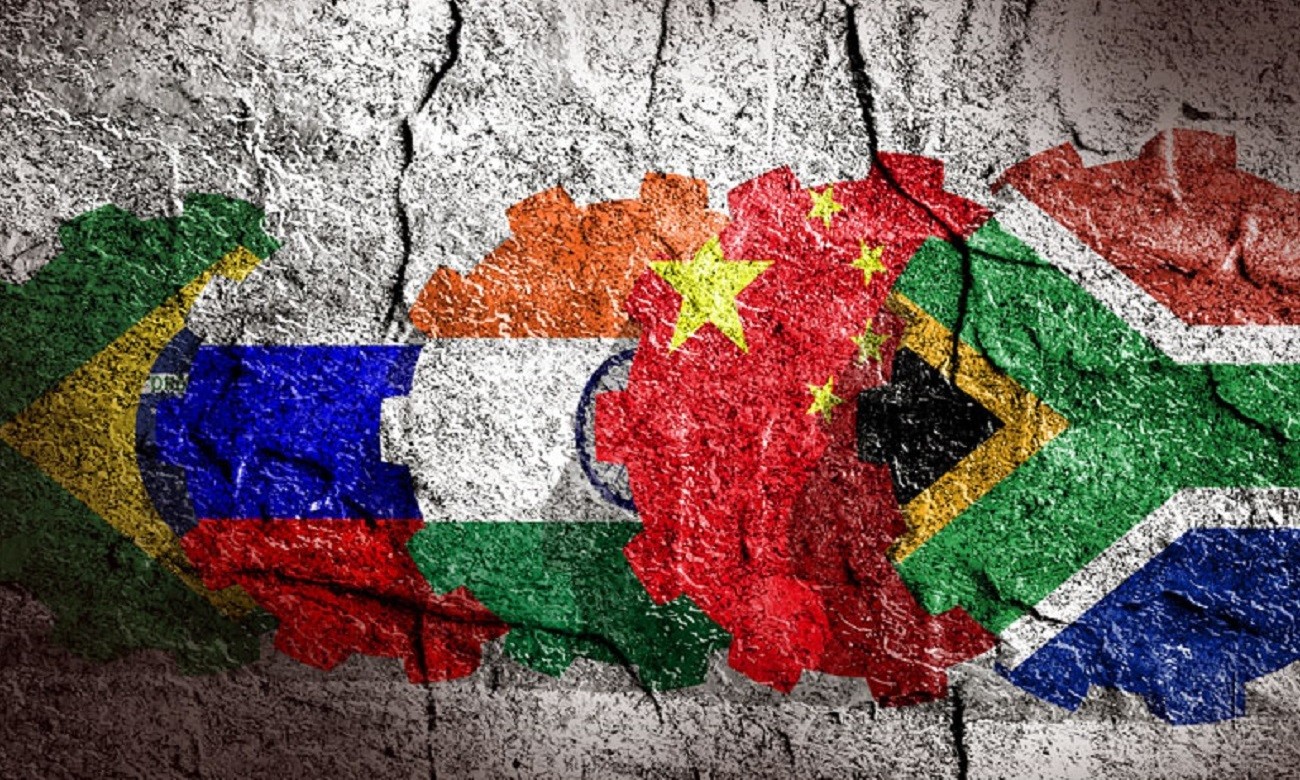
The summit also touched on artificial intelligence, cybersecurity, and the need for shared norms. There was a common understanding that technology should always be a bridge between peoples, never a wall.
Trade, Finance, and a Fairer Order
Trade and finance remained central pillars. Members explored ways to reduce friction in commerce, expand local currency settlement, and make development finance more accessible. The aim was not to isolate but to diversify, to create options that give every nation greater room to breathe.
There was talk of strengthening the financial institutions of the bloc and of channeling capital toward infrastructure and green energy. Such investments create jobs today and resilience tomorrow.
The mood was pragmatic and grounded. Nobody pretended that change happens overnight. But there was a shared conviction that patient, steady effort compounds into transformation over time.
Energy and the Green Transition
The shift toward cleaner energy featured prominently on the agenda. Members agreed that the transition must be fair, ensuring that developing nations are never left behind. Cooperation on solar power, green hydrogen, and energy efficiency held the promise of lower costs and cleaner air.
Shared research and the transfer of technology were discussed as tools to accelerate progress. The vision was clear and hopeful. Growth and sustainability can walk hand in hand.
Food Security and Shared Plenty
Food security also earned a respected place on the agenda. Stable supply chains, open markets, and joint agricultural research were seen as essential to feeding growing populations. The summit recognized a simple fact. A hungry nation cannot build a prosperous future.
A Louder Voice for the Global South
At its heart, the summit amplified the voice of the Global South. For too long, many nations felt unheard within global institutions. The gathering offered a stage where their concerns could be spoken aloud and taken seriously by the wider world.
That voice is not a demand for conflict. It is an invitation to balance, to reform, and to build an order where every region has a fair say in its own destiny.
People at the Center
Beneath the charts and communiques lay a simple and enduring truth. Economies are made of people. The summit never lost sight of this. Discussions on education, health, and youth exchange programs reminded everyone that cooperation must ultimately improve daily life.
Cultural events and business forums ran alongside the formal sessions. Entrepreneurs met ministers. Students met innovators. The corridors hummed with conversation, the true currency of any summit.
The Energy of Youth
Young people were everywhere at the summit, in panels and in crowded halls. Their energy reminded leaders that decisions made today will shape lives for decades to come. Programs for exchange, training, and entrepreneurship aimed to turn that restless energy into lasting opportunity.
The Road Ahead
As the summit closed, a sense of momentum lingered in the air. The deliverables were real, but the spirit behind them mattered even more. India had set a tone of ambition tempered by practicality, of vision anchored firmly in delivery.
The BRICS Plus outreach will not end with this meeting. It will continue to grow, drawing more partners, more ideas, and more shared purpose. The micro level work will ripple outward, touching companies and sectors, households and hopes.
History rarely announces its turning points with trumpets. More often it whispers. In 2026, on Indian soil, that whisper grew a little louder. The world leaned in to listen, and the future leaned forward.
Conclusion
The 2026 BRICS summit hosted by India will be studied for years to come. It succeeded in strengthening cohesion, in advancing economic cooperation, and in giving the BRICS Plus outreach genuine momentum. Most importantly, it planted its ambitions where they matter most, at the micro level of companies and key sectors, where real economies rise or fall.
The story of this summit is ultimately a story about connection. Nations reaching across distance. Businesses finding new partners. People discovering that shared effort beats solitary struggle. If the coming years deliver on the promises made here, the gathering will be remembered not just as a meeting, but as the beginning of a movement.