Brazil on a Knife Edge: Lula Miracle Reelection and the Trump Test
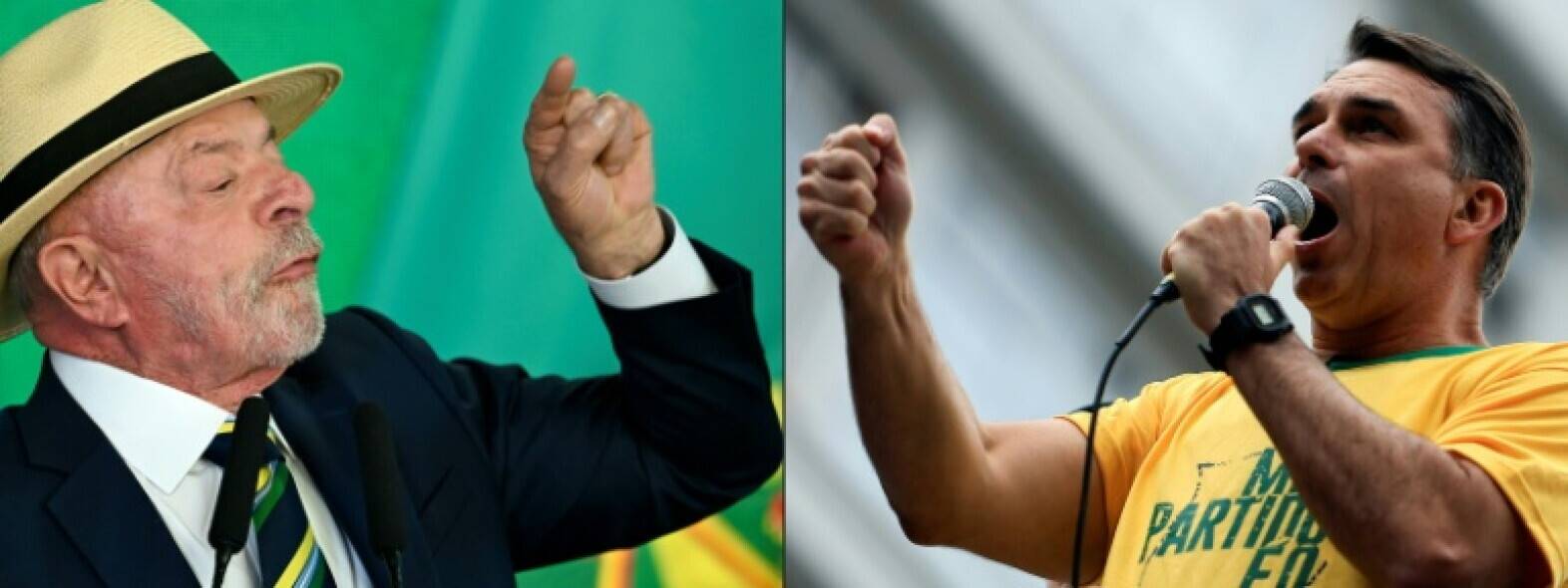
Brasilia woke to a city holding its breath. Outside the electoral tribunal, staff carried boxes of documents through metal detectors while supporters of Lula da Silva waved red flags and sang songs that sounded less like victory anthems than prayers of relief. A few kilometers away, allies of Flavio Bolsonaro stared at screens, recalculating a race they believed they had already won. The result, once confirmed, looked like a political miracle: Lula had clawed back from the edge, survived a bruising campaign and defeated the Bolsonaro family machine. Yet the morning after the comeback brought no calm. It brought accusations, suspicion and a question that now hangs over Brazil like a storm cloud: if the numbers are real, why is so much of the political class refusing to breathe easy?

The Comeback That Shocked the Capital
For months, the race had followed a familiar script. Flavio Bolsonaro carried the family name, the security language and the loyalty of voters who still saw his father as the only leader tough enough for a violent world. Lula carried the memory of past prosperity, the affection of unions and the hope of poor families who remembered cheaper food and bigger social programs. Polls moved, markets twitched and foreign diplomats prepared for a comfortable Bolsonaro family win. Then came the surge. In the final days, Lula’s rallies grew larger, his allies knocked on more doors and his campaign turned anger at the courts into a story about survival. By the time the counts moved into the final stretch, the impossible had become the likely. Supporters poured into the streets of Sao Paulo and Recife. Rivals accused the polls, the media and the courts of plotting against them. The capital did not feel like a city after an election. It felt like a city before a verdict.
Fraud Claims and the Judicial Fog
The allegations arrived before the confetti was swept away. Flavio Bolsonaro’s allies claimed that the result smelled of manipulation. They pointed to delays, turnout patterns and the role of the electoral court. They demanded audits, recounts and investigations. What they did not produce in public was evidence that met the burden of proof. That gap has not stopped the claims from spreading. In group chats and pulpits, on radio stations and social media feeds, the language of fraud has become a parallel reality. The electoral tribunal now faces a familiar trap: every explanation can be dressed up as proof of bias, and every ruling can be treated as confirmation of a plot. Judges who once worked in relative obscurity are now characters in a national drama. The controversy has done something more dangerous than any single allegation. It has made a clear result feel unfinished.

Why Washington Is Hesitating
Washington’s silence has been loud. A routine statement of recognition would normally arrive quickly, with diplomatic language about the will of the Brazilian people and the strength of democratic institutions. This time, the message has been slower, cooler and more careful. That hesitation is not only about Brazil. It is about Trump. The former president and his allies have spent years treating the Bolsonaro family as a natural partner in Latin America. They share a style, a vocabulary and a hostility toward institutions that frustrate them. If Lula’s win is certified, Washington will face a choice between accepting a left wing leader it distrusts and siding with a movement that claims, without proof, that the election was stolen. Trump’s own history makes that choice harder. He understands the power of a fraud narrative, and he knows how much his base enjoys a fight against global institutions and foreign courts. Brazil, with its size, its resources and its loud political theater, is an attractive stage.
The Trump Playbook and Brazil
Would Trump actually target Brazil? The question is no longer hypothetical. A second Trump White House could use tariffs, sanctions, financial pressure and public attacks on Brazil’s courts to shape the outcome. It could slow recognition, question the legitimacy of the result and give comfort to Bolsonaro loyalists who want the dispute to drag on. It could also use Brazil as a warning to other democracies that defy Washington’s preferences. But Brazil is not a small economy. It is a major exporter, a food powerhouse and a key player in BRICS. American companies depend on Brazilian supply chains. Brazilian farmers, miners and manufacturers have their own leverage. A blunt attack could raise prices at home, unsettle global markets and push Brasilia closer to China. Trump may enjoy disruption, but he also likes deals. The real danger is not a single tariff or a single statement. It is a long campaign of doubt that makes compromise impossible and turns every Brazilian institution into a battlefield.
The Legitimacy Crisis Inside Brazil
Beyond the capital, the crisis is personal. Lula voters see a comeback that proves democracy can survive fear. Bolsonaro voters see a system that always finds a way to stop them. Both sides can point to reasons for distrust. The courts have been pulled into politics. Congress has its own calculations. The military is watching, not with tanks, but with silence. A legitimacy crisis does not begin with a coup. It begins with whispers: the count is wrong, the judges are bought, the media is lying, the other side is not really Brazilian. Once those whispers become common sense inside a large bloc of voters, elections stop producing closure. They produce a permanent campaign. That is the danger now facing Brazil. The country may have a winner, but it does not yet have a settled result. And in a polarized nation, an unsettled result can be more powerful than any law.
A Region Watching, a World Calculating
Across Latin America, governments are watching with a mix of fear and self interest. The region has seen contested elections before, but Brazil is different. It is the largest economy in Latin America, the biggest democracy in the region and a bridge between the Atlantic and the Pacific. If Brazil’s result is doubted at home, the shock will travel. Argentina, Mexico, Colombia and Chile will all recalibrate. China will study the chaos for openings. The European Union will worry about the Amazon and about the reliability of its supply chains. BRICS will face a test of whether its members can defend a member’s democratic process without turning the group into a bloc of convenience. For the United States, Brazil is not just another country. It is a partner, a rival, a market and a symbol. What happens in Brasilia will shape how the world judges the resilience of democracy in an age of strongmen, misinformation and economic anger.
What Comes Next
Three paths now seem possible, and each has its own risks.
- Quiet settlement The electoral court publishes detailed results, outside monitors accept them and Washington offers a careful but clear recognition. Lula governs with a narrow mandate, the opposition keeps shouting but loses the argument and Brazil returns to a fragile normal.
- Prolonged dispute Fraud claims continue without proof, courts face political attacks and the result remains contested in the public mind. Lula governs, but every decision is challenged. Investors demand higher premiums, Congress becomes more unpredictable and street protests become a routine part of the news cycle.
- External shock Trump or his allies turn Brazil into a cause. Tariffs, sanctions or public attacks raise the stakes, push Brasilia toward China and give Bolsonaro loyalists a powerful narrative. The crisis becomes international, and the space for compromise shrinks.
None of these paths is inevitable. Brazil’s institutions are not weak, and Lula is a survivor. He has spent decades learning how to turn adversity into political fuel. But survival is not the same as legitimacy. If the opposition can convince millions that the game was rigged, Lula will govern in a permanent state of exception, always proving, never resting.
The final lesson is larger than one election. Democracies do not collapse only when tanks roll into the streets. They also erode when citizens stop believing that the count is honest, that the courts are fair and that the other side belongs to the same nation. Brazil now stands at that edge. Lula’s miracle reelection may have given him the office, but it has not yet given him the calm that governing requires. Washington’s hesitation, Trump’s next move and the unproven fraud claims have turned a national result into a global question. For now, Brasilia waits. The flags are still flying, the streets are still loud and the storm has not passed.