America’s Dual Battle: Foreign Interventions and the Unchecked Opioid Crisis
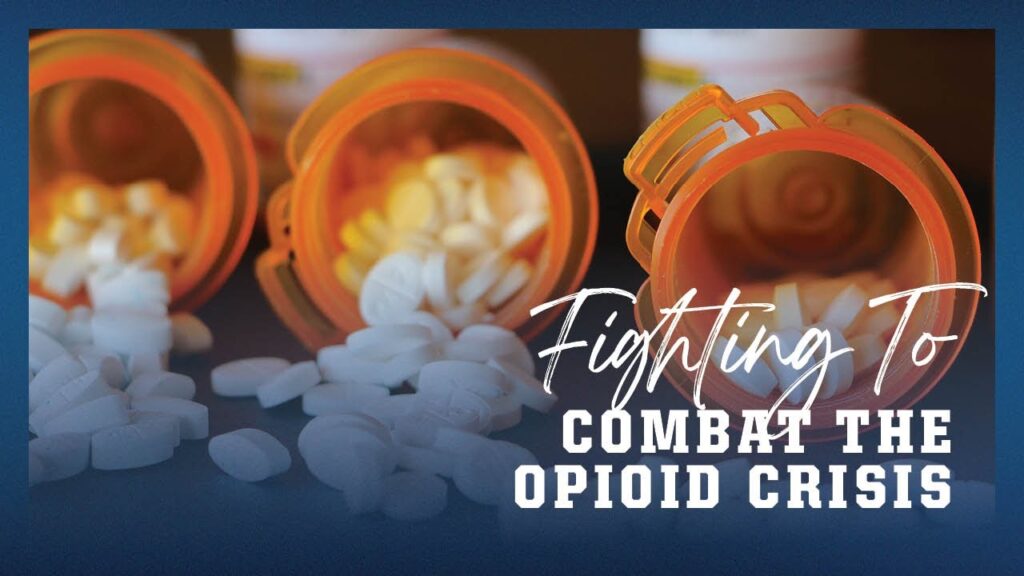
In the heartland of America, a silent storm rages, one that has claimed thousands of lives and left communities in ruins. Despite decades of combat actions and political promises, the United States finds itself losing the war against opioids, with a dependent population that only grows larger. Meanwhile, across the waters of Latin America, another battle unfolds as US forces attack boats in a relentless pursuit to curb drug trafficking. This juxtaposition paints a troubling picture: a nation fighting abroad while suffering at home. How did we get here, and why have our efforts failed so profoundly? This blog post delves into the disconnect between external militarization and internal public health failures, exploring the stories and statistics behind America’s paradoxical crisis.

The Opioid Crisis: A Domestic Nightmare Unfolding
Imagine walking through a small town in Ohio or West Virginia, where once thriving streets now bear the weight of loss and addiction. The opioid crisis is not just a statistic; it is a human tragedy that has woven itself into the fabric of American society. It began with the over prescription of painkillers in the 1990s, escalated with the rise of heroin, and now faces a new wave of synthetic fentanyl, a substance so potent that a mere speck can be lethal. Today, millions of Americans are entangled in addiction, with overdose deaths reaching record highs each year. Families are torn apart, children are left orphaned, and emergency rooms are overwhelmed. The economic cost runs into the hundreds of billions, straining healthcare systems and law enforcement. Yet, despite awareness campaigns, treatment programs, and legislative actions, the crisis deepens. Why? Because the response has often been fragmented, prioritizing short term solutions over long term healing. We have criminalized addiction instead of treating it as a health issue, leaving many without access to the care they desperately need. The opioid epidemic is a mirror reflecting our societal failures, from healthcare disparities to economic despair. It is a crisis that demands compassion and innovation, yet we continue to address it with the same old tools.
Foreign Interventions: The War on Drugs in Latin America
Shift the scene to the choppy waters off the coast of Colombia or the remote rivers of Central America. Here, US led operations target drug trafficking vessels, with boats being intercepted and destroyed in a bid to stem the flow of narcotics northward. These attacks are part of a longstanding strategy, rooted in the War on Drugs initiated decades ago. The logic seems straightforward: cut off the supply at its source, and the demand will wither. But reality tells a different story. These military actions, often conducted in collaboration with local authorities, have led to violent confrontations, human rights abuses, and geopolitical tensions. They disrupt trafficking routes temporarily, but the drug trade adapts quickly, finding new paths and methods. Moreover, these interventions ignore the complex socio economic factors that drive drug production in Latin America, such as poverty, corruption, and lack of alternatives for farmers. By focusing on militarization, the US overlooks the root causes, perpetuating a cycle of violence and instability. The boats may be attacked, but the trade persists, and the drugs keep coming. This foreign front of the drug war is costly, both in terms of resources and diplomatic capital, yet it has done little to alleviate the domestic opioid crisis. It is a strategy that feels increasingly outdated, a relic of a time when force was seen as the ultimate solution.

The Great Disconnect: Why External Actions Fail to Solve Internal Problems
Therein lies the paradox: a nation pouring billions into foreign interventions while its own people succumb to addiction. This disconnect is not merely a policy flaw; it is a fundamental misalignment of priorities. The opioid crisis is primarily a public health emergency, driven by factors like over prescription, mental health issues, and socioeconomic despair. Attacking boats in Latin America does nothing to address these domestic drivers. In fact, it may even exacerbate the problem by fueling the black market and making drugs more dangerous. When supply routes are disrupted, traffickers often turn to more potent substances like fentanyl, which is easier to smuggle and deadlier for users. Thus, the very actions intended to reduce drug availability can inadvertently increase the risk of overdose at home. Additionally, the resources allocated to foreign military operations could be redirected toward domestic treatment and prevention programs. Imagine if the funds used for boat attacks were invested in community health centers, addiction counseling, and harm reduction services. The impact could be transformative. Yet, we remain stuck in a cycle of externalization, blaming foreign actors for a crisis that is inherently local. This mindset prevents us from embracing evidence based solutions, such as medication assisted treatment and decriminalization, which have shown success in other countries. The disconnect is a story of missed opportunities and misguided efforts, a tale where the enemy is perceived as outside rather than within.
Human Stories: The Faces Behind the Statistics
To understand the true cost of this paradox, we must listen to the human stories. On one hand, there are the families in Latin America whose livelihoods are destroyed by militarized drug policies, often caught in the crossfire of a war they did not choose. On the other, there are the Americans battling addiction, like Sarah, a former nurse from Kentucky who became dependent on painkillers after a surgery and lost everything to fentanyl. Her story is not unique; it echoes across the nation, in urban centers and rural towns alike. Then there are the veterans, returning from conflicts abroad only to face the inner battle of PTSD and opioid use. These narratives highlight the interconnectedness of our actions: foreign interventions that destabilize regions and domestic policies that fail to protect the vulnerable. They remind us that behind every policy decision are real people, with dreams and struggles. The opioid crisis is not an abstract issue; it is Sarah fighting for recovery, a child growing up in a household shattered by addiction, a community mourning its lost souls. Similarly, the boat attacks are not just tactical maneuvers; they represent disrupted lives and heightened tensions in Latin America. By ignoring these stories, we reduce complex issues to mere numbers, losing sight of the humanity that should guide our responses.
Policy Failures: A History of Missteps and Missed Chances
The failure to solve the opioid crisis despite all efforts is rooted in a history of policy missteps. From the initial promotion of OxyContin by pharmaceutical companies to the inadequate regulation of prescription practices, the system has been complicit in creating the epidemic. Law enforcement approaches have focused on punishing users rather than providing care, pushing addiction underground where it thrives. Meanwhile, the War on Drugs abroad has persisted for decades, with little evaluation of its effectiveness. Programs like Plan Colombia and the Merida Initiative have poured resources into militarization, yet drug production and trafficking have adapted and continued. These policies are often driven by political rhetoric rather than data, with leaders touting tough on drug stances while ignoring the evidence that harm reduction and treatment work better. The lack of integration between foreign and domestic drug strategies is glaring: one arm of government attacks supply chains, while another struggles to manage demand. This siloed approach prevents cohesive solutions, leading to wasted efforts and escalating crises. Moreover, stigma surrounding addiction hinders progress, as many view it as a moral failing rather than a medical condition. Until we shift our policy paradigm to prioritize health over punishment, both at home and abroad, the cycle of failure will persist.
A Path Forward: Rethinking Strategies for a Healthier Future
So, what can be done? The solution lies in a fundamental reevaluation of our approach. First, we must recognize the opioid crisis as a public health emergency and allocate resources accordingly. This means investing in comprehensive treatment networks, expanding access to naloxone, and promoting prevention education in schools and communities. Decriminalizing addiction and focusing on rehabilitation over incarceration can save lives and reduce stigma. Second, we need to reform our foreign drug policy, shifting from militarized interventions to development aid that addresses root causes like poverty and governance issues in Latin America. Supporting alternative livelihoods for farmers and strengthening judicial systems can be more effective than boat attacks. Third, we must bridge the disconnect between domestic and foreign strategies, creating integrated policies that tackle both supply and demand through evidence based methods. Learning from countries like Portugal, which successfully reduced drug related harms through decriminalization and health services, can provide a blueprint. Finally, we must center human stories in our discourse, fostering empathy and driving change from the ground up. The opioid crisis and foreign drug wars are not separate battles; they are intertwined challenges that require unified, compassionate responses. By turning inward to heal our communities and outward to build partnerships, we can chart a new course toward recovery and peace.
In conclusion, the United States stands at a crossroads. The continued attacks on boats in Latin America symbolize a persistent reliance on force, while the growing opioid dependent population at home reveals a profound need for care. This dual battle reflects a deeper societal confusion about how to address complex issues. As we move forward, let us choose a path that prioritizes health, humanity, and holistic solutions. Only then can we hope to solve the opioid crisis and create a safer, healthier world for all. The time for change is now; the stories of suffering demand it, and the possibility of a better future depends on it.