Vietnam’s Tourism Revolution: How Smart Cities and New Markets Are Redefining Travel
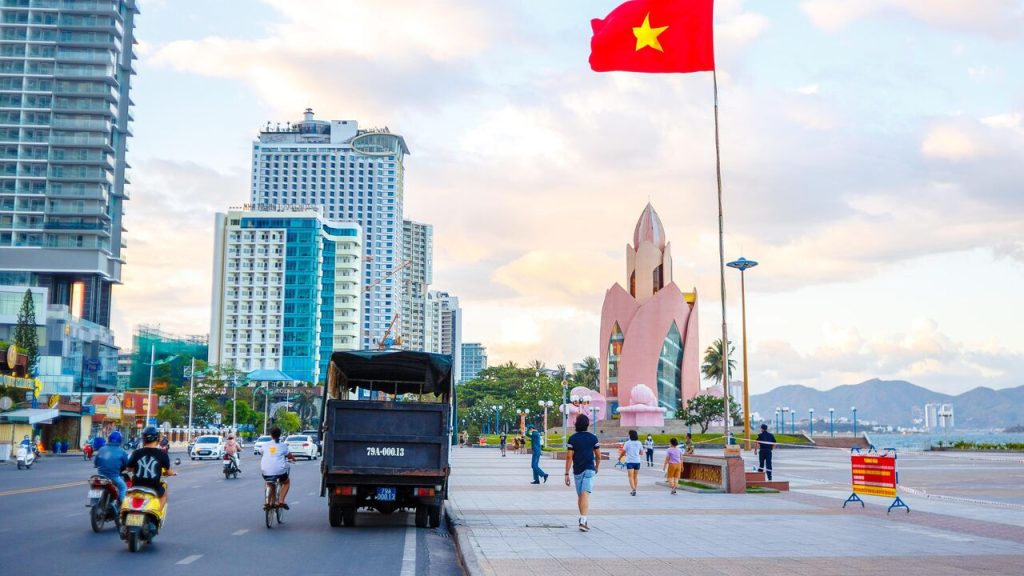
The sun rises over the bustling terminals of Vietnam’s international airports, where the hum of excitement is palpable. In recent months, a remarkable shift has been unfolding: record-breaking numbers of international travelers are streaming into the country, with a notable surge from Russia and India. This isn’t just a seasonal spike; it’s a transformative boom that signals Vietnam’s ascent as a top global destination. As the world emerges from travel restrictions, Vietnam has seized the moment, leveraging smart tourism initiatives across key cities like Nha Trang, Da Nang, Ho Chi Minh City, and Hanoi to redefine how Southeast Asia competes for travelers. This story is about more than just numbers; it’s about a nation strategically positioning itself at the forefront of the travel industry’s future.

The Rise of Smart Tourism in Vietnam Vietnam’s approach to tourism has evolved from relying solely on its natural beauty and rich culture to embracing technology and innovation. Smart tourism, a concept that integrates digital solutions to enhance visitor experiences, optimize resources, and promote sustainability, is now at the heart of Vietnam’s strategy. Across major cities, initiatives like mobile apps for seamless bookings, virtual reality tours of historical sites, and AI-powered customer service are becoming commonplace. This digital transformation not only caters to tech-savvy travelers but also improves efficiency, reducing environmental impact and ensuring that growth is sustainable. For instance, in Da Nang, smart sensors monitor crowd levels at popular beaches, while in Hanoi, digital payment systems simplify transactions for international visitors. This focus on innovation is setting a new standard for travel in the region.
Key Cities Leading the Charge The tourism surge is particularly evident in four dynamic cities, each offering a unique blend of attractions. Nha Trang, with its pristine beaches and vibrant nightlife, has long been a favorite among Russian tourists, but now it’s attracting a broader audience with upgraded resorts and smart tourism platforms. Da Nang, known for its modern infrastructure and scenic coastline, is leveraging technology to promote eco-friendly travel, such as electric vehicle tours and smart waste management. Ho Chi Minh City, the bustling economic hub, combines historic charm with cutting-edge amenities, using data analytics to personalize visitor itineraries. Meanwhile, Hanoi, the capital, blends ancient heritage with digital innovations, like augmented reality guides at the Old Quarter. Together, these cities exemplify Vietnam’s holistic approach to welcoming the world.

The Influx of Russian and Indian Travelers A key driver of Vietnam’s tourism boom is the accelerated arrival of travelers from Russia and India. For Russians, Vietnam has become a preferred warm-weather escape, offering affordable luxury and direct flight connections. The historical ties between the two nations, along with visa facilitation efforts, have fueled this growth. Similarly, Indian tourists are flocking to Vietnam, drawn by cultural similarities, diverse landscapes, and strategic marketing campaigns. Vietnam’s tourism authorities have tailored experiences to these markets, such as vegetarian-friendly menus for Indian visitors and Russian-language services in coastal resorts. This targeted approach has paid off, with arrivals from these countries skyrocketing and contributing significantly to the economy. The trend reflects a broader shift in global travel patterns, where emerging markets are becoming major sources of tourists.
Redefining Southeast Asia’s Travel Competition Vietnam’s smart tourism surge is reshaping the competitive landscape of Southeast Asia. Traditionally, destinations like Thailand, Bali, and Singapore dominated the region’s tourism scene. However, Vietnam’s integrated strategy combining technology, infrastructure development, and market diversification is challenging that status quo. By offering a blend of authenticity and innovation, Vietnam appeals to travelers seeking both adventure and convenience. The focus on sustainability also resonates with growing environmental consciousness among tourists. As a result, Vietnam is not just catching up; it’s setting new benchmarks, forcing neighboring countries to rethink their own tourism models. This healthy competition is benefiting the entire region, driving improvements in services and experiences for all travelers.
Technological Innovations and Infrastructure Growth Behind the scenes, Vietnam’s tourism transformation is supported by significant investments in technology and infrastructure. High-speed internet coverage has expanded to remote areas, enabling digital nomads to work from picturesque locales. Smart city projects in urban centers integrate traffic management, safety monitoring, and tourist information systems, creating a seamless environment for visitors. Additionally, the government has prioritized airport upgrades and transportation networks, reducing travel times between cities. For example, new expressways connect Hanoi to coastal regions, while digital platforms like travel apps provide real-time updates on attractions. These advancements not only enhance the traveler experience but also boost local economies by creating jobs and fostering entrepreneurship in the tourism sector.
Cultural and Economic Implications The tourism boom is having profound cultural and economic impacts across Vietnam. Locally, it has spurred a revival of traditional crafts and performances, as communities capitalize on visitor interest. However, there’s also a careful balance to maintain cultural integrity amidst commercialization. Economically, tourism revenue is fueling growth, with small businesses thriving and foreign investment increasing. The influx of Russian and Indian tourists, in particular, has led to cross-cultural exchanges, enriching Vietnam’s social fabric. Yet, challenges remain, such as managing overtourism in hotspots and ensuring that benefits are distributed equitably. Vietnam’s smart tourism framework aims to address these issues through data-driven planning and community involvement, promoting inclusive development.

Looking Ahead: The Future of Travel in Vietnam As Vietnam continues to break records in international arrivals, the future looks bright. The ongoing adoption of smart technologies, coupled with a focus on sustainable practices, positions Vietnam as a model for post-pandemic tourism recovery. Upcoming initiatives, such as expanding digital visa systems and promoting off-the-beaten-path destinations, will likely attract even more diverse traveler demographics. Moreover, the synergy between tourism and other sectors, like agriculture and tech, is creating innovative offerings, such as farm-to-table tours and tech hubs for travelers. Vietnam’s journey from a hidden gem to a global tourism powerhouse is a testament to its resilience and vision. For travelers worldwide, it offers an invitation to explore a land where tradition meets innovation, and every visit contributes to a brighter future.
In conclusion, Vietnam’s record-breaking international arrival boom, driven by Russian and Indian travelers, is more than a statistical highlight; it’s a narrative of transformation. Through smart tourism surges in cities like Nha Trang, Da Nang, Ho Chi Minh City, and Hanoi, Vietnam is redefining how Southeast Asia competes for global travelers. By embracing technology, diversifying markets, and prioritizing sustainability, Vietnam has crafted a travel experience that resonates with the modern explorer. As the world watches, Vietnam stands as a beacon of innovation in tourism, promising unforgettable journeys and lasting impacts. The next chapter of travel is being written here, and it’s one filled with opportunity and inspiration.