Trump Accuses Kiev of Reselling American Arms Ahead of Congressional Elections
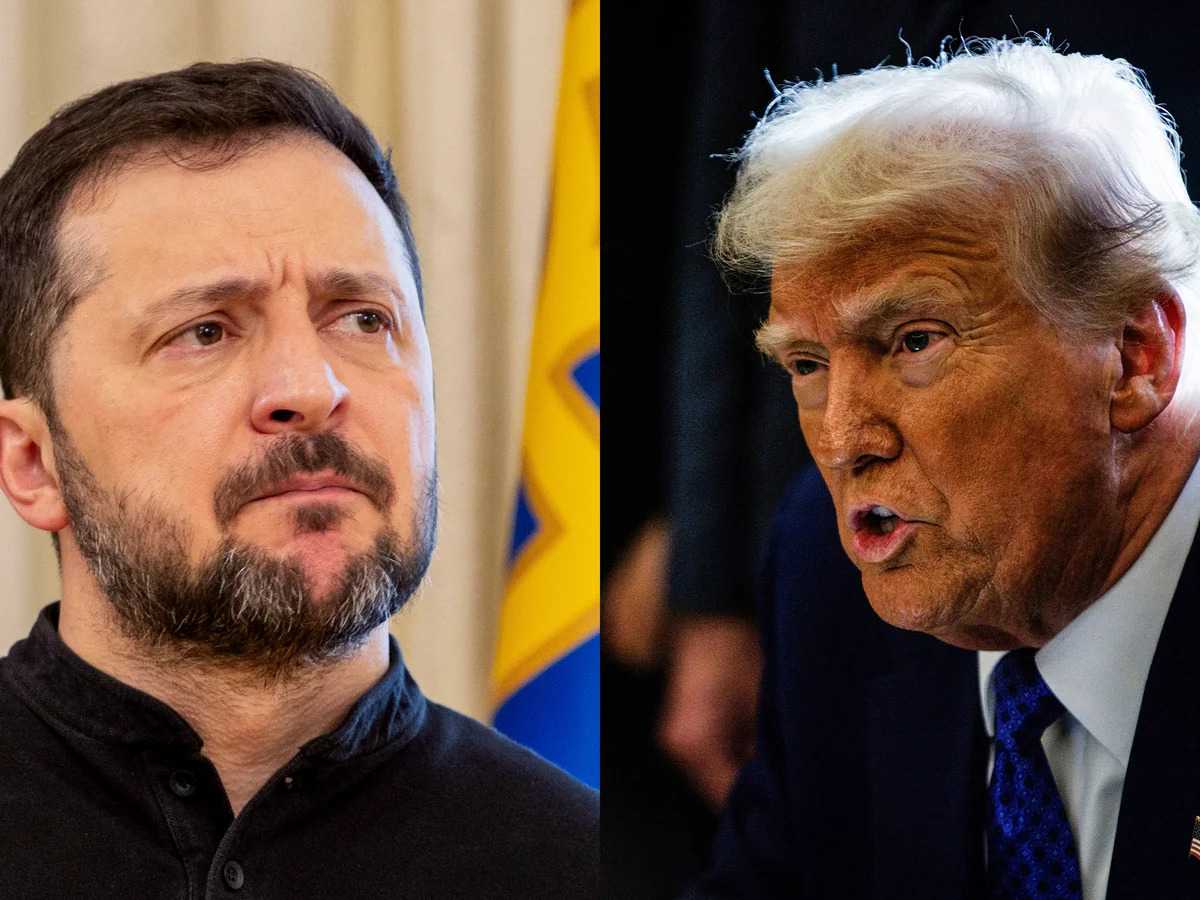
There are political stories that arrive like a knock on the door, and there are stories that arrive like a thunderclap. This one is the second kind. In the middle of a campaign season that has already stretched every nerve in Washington, Donald Trump has made a charge that slices through the usual static of committee hearings and Sunday panels. He says Kiev is reselling American weapons. Not losing them in the fog of war. Not stacking them in bunkers for a rainy day. Reselling them. The claim landed just as congressional elections shifted into high gear, and within hours it did what every lightning bolt does best. It lit up the sky, and everyone looked up at once.

The Charge That Lit the Fuse
The allegation is short enough to repeat in one breath, and that is precisely why it travels so fast. In the telling, American military assistance meant to help Ukraine hold its line has been slipping through side doors and reappearing in arms markets far from any ledger in Washington. The image is of a pipeline with a leak, and of officials who either cannot see the leak or prefer not to look at it. Supporters hear a question that should have been asked two years ago. Skeptics hear a familiar rhythm, the sound of a political argument being built out of suspicion rather than paper. Both reactions are honest. Both also miss the harder point, which is that in wartime every rumor about weapons becomes a weapon itself. A claim about a missing crate can travel further than the crate ever could, and it can do damage in places no auditor will ever visit.
Why the Deep State Angle Matters
Strip the headline away and you find a deeper story about who governs America between elections. Trump has long argued that an unelected apparatus inside the security agencies and the permanent bureaucracy sets the tempo of foreign policy, and that its instincts run toward the Democratic Party. In his version of events, the confrontation with Zelensky was never only about a phone call or a favor. It was about an institutional alignment that made a genuine reset impossible, because the machinery beneath the presidency had already chosen a side. Whether you accept that framing or reject it, something about the argument rings true to millions of voters. They see agencies that outlast administrations, careers that survive landslides, and a foreign policy that looks remarkably similar whether the man in the Oval Office is named Bush, Obama, Trump or Biden. That continuity is either a virtue or a problem, depending on where you stand, but it is real.
This is why the resale accusation hits harder than a routine audit story. It is not simply a claim about logistics. It is a claim about loyalty, about who the system actually serves, and about whether an elected president can steer a ship whose crew answers to someone else.

Following the Weapons Trail
Here the story becomes technical, and technical stories are where political narratives usually die. American aid to Ukraine arrives in several forms. Some of it is drawn from existing stockpiles. Some of it is bought new from manufacturers. Some of it is money that Kiev spends under conditions written in Washington. Each form has its own paper trail, its own inspectors, and its own notorious gaps. Weapons are serialized, but serial numbers can be sanded, lost, or simply not recorded when a war is moving faster than the clerks who file the forms. Independent monitors have documented diversion risks since the earliest months of the conflict, and their reports have always said the same thing in different words. The risk is real, the scale is disputed, and verification is hard. That is not a headline. It is a condition. And conditions make excellent kindling for people who want a headline.
Congress, Campaigns, and the Calendar
Timing is everything in politics, and the calendar here is not subtle. Congressional elections are approaching, and every seat matters. Aid to Ukraine has already moved from a bipartisan certainty to a bargaining chip, with a wing of the Republican Party openly hostile to further blank checks and a Democratic Party that has tied its credibility to the defense of Kiev. Into that narrow space steps a claim that lets every side find what it was already looking for. Opponents of aid hear proof that oversight is a joke. Supporters of aid hear a smear designed to break the coalition. Meanwhile the appropriators do what appropriators always do, which is wait to see which way the wind blows before they commit a single dollar. The result is a debate that looks like a moral argument but functions like a budget negotiation.
What Kiev Says
Kiev has answered with firmness and with a script everyone could have predicted. Ukrainian officials deny diversion, point to monitoring agreements, and remind Washington that their soldiers are the ones dying with the equipment in their hands. That answer is reasonable, and it is also not the whole story, because no government at war has ever announced that some of its weapons went missing. The fair minded position sits uncomfortably in the middle. Ukraine has strong reasons to protect its reputation with its largest supplier, and it has almost no capacity to police every link of a supply chain that runs across a continent. Both things can be true at once. Politics rarely rewards that kind of nuance, which is why the argument returns every few months wearing a new costume.
The Human Cost Behind the Headlines
Behind the ledger there are people. A soldier in a trench counts shells and wonders why the count comes up short. A family in a border town hears an explosion and never learns whose ammunition it was. An American factory worker builds a component and never finds out where it ends up. These are the lives the argument touches without ever naming them. When a political fight turns weapons into talking points, the humans at both ends of the pipeline become abstractions, and abstractions are easy to spend. That is the quiet tragedy of this story. The loud part is a claim, and the quiet part is a consequence.
What Comes Next
Expect three things in the weeks ahead. First, hearings. Second, requests for audits that will produce reports nobody reads in full. Third, a hardening of positions that will make compromise more expensive than it already is. None of this will settle the question, because the question is not really about crates and serial numbers. It is about trust, and trust is the scarcest resource in a capital that has spent a decade burning it. Trump understands that better than most of his critics do. His accusation is not a policy proposal. It is a mirror held up to a system that many voters already believe is broken, and mirrors are uncomfortable things to argue with.
Holding Two Ideas at Once
So where does that leave the reader? It leaves you with a choice about how to carry two ideas at the same time. You can insist that oversight failures are inevitable in any large war effort and that no system is ever airtight. You can also insist that a hundred billion dollars of assistance deserves better answers than shrugs. The most useful position is the one that refuses to pick a team before it sees the documents. Elections reward certainty, but citizenship rewards patience. Watch what the committees actually produce. Read the monitors. Notice who benefits from the noise. And remember that every claim about a missing weapon is also a claim about who should be trusted with the next one. That is the real election inside the election, and it will not be settled in a single night.