BRICS Plus: Indonesia and Saudi Arabia Chart a Bigger Course for Transport Ties
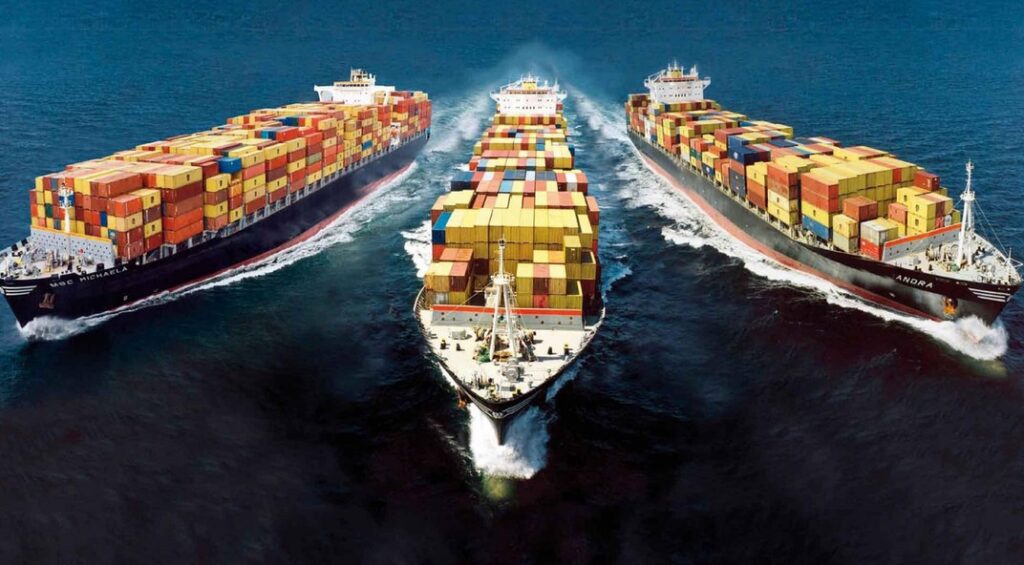
There is a certain kind of magic that happens in port cities. The air smells of salt and diesel. Cranes swing like mechanical dancers. Ships from distant continents slide into their berths as if they were always expected. Jakarta knows this rhythm well. But on a recent day, the city carried something more than cargo. It carried a conversation between Indonesia and Saudi Arabia that could reshape how people and goods move between Southeast Asia and the Gulf. The meeting was quiet, but its echoes are already traveling.

This was not a typical diplomatic handshake. It was a strategic alignment. Indonesia sits on the crossroads of the Indian and Pacific Oceans. Saudi Arabia commands the western edge of the Gulf and controls critical Red Sea routes. For decades, their transport relationship has been useful, but not vital. That perception is now changing.
The meeting in Jakarta brought together policymakers, transport planners, and logistics experts. They discussed ports, shipping lines, rail connectivity, and digital border systems. They imagined a corridor where exports from Southeast Asia could reach the Middle East with fewer delays and lower costs. This is not a fantasy. This is a roadmap.
The Weight of BRICS Plus
The term BRICS Plus has floated around diplomatic circles for years. Indonesia and Saudi Arabia have both been linked to this expansion. Their meeting in Jakarta adds substance to that label. Transport ties are not just about moving vehicles. They are about moving trust. When two nations agree to build roads, ports, and air links together, they are making a statement. They believe in each other’s future.
For Indonesia, this partnership is a chance to accelerate its infrastructure transformation. The nation has been building sea tolls and modern airports. It wants to become a global maritime axis. Saudi Arabia brings capital and ambition. Together, they can create a transport network that serves the wider region.

For Saudi Arabia, the connection to Southeast Asia is equally important. Vision 2030 is more than a slogan. It is a national overhaul. The kingdom wants to become a global logistics hub. Indonesia, with its enormous population and growing middle class, offers a market of immense potential. More importantly, Indonesia offers a gateway to the Association of Southeast Asian Nations, a bloc of over six hundred million people. That is a prize worth chasing.
Ports and Partnerships
Ports will likely be the first pillar of this cooperation. Indonesia has dozens of ports, some world class and some struggling. Saudi Arabia has invested heavily in ports like Jeddah Islamic Port and King Abdullah Port. A partnership could bring digital port management, smart container systems, and better maintenance practices to both sides.
Imagine a container loaded in Surabaya and scanned by Indonesian authorities. The same data is shared instantly with Saudi customs. The ship arrives in Jeddah and is processed in hours instead of days. Fresh fruit from Indonesia could reach Gulf supermarkets faster. Oil and petrochemicals from Saudi Arabia could be processed and shipped to Southeast Asian factories with less waste.
The discussion also touched on passenger transport. Millions of Muslim pilgrims travel between Southeast Asia and Saudi Arabia every year. Many come from Indonesia. Better air and sea links could make the hajj and umrah journeys smoother and more affordable. This is not just a commercial opportunity. It is a sacred service.
Air Corridors and Cargo Drones
Aviation is another area of promise. Indonesia has a fast growing aviation market. Saudi Arabia is building a new national carrier and expanding its airports. A bilateral air agreement could open the skies for more flights between Jakarta, Surabaya, Medan, and cities like Jeddah, Riyadh, and Dammam. More flights mean more trade, tourism, and cultural exchange.
The two nations could also cooperate on cargo drones and unmanned logistics. Saudi Arabia has been experimenting with drone delivery in remote areas. Indonesia has thousands of islands where drones could deliver medicine and supplies. A joint program could place both countries at the frontier of logistics technology.

Railways were also on the table. Indonesia is building a high speed rail link between Jakarta and Bandung. Saudi Arabia has its own high speed train connecting Mecca and Medina. These projects share similar challenges. By exchanging technical knowledge, the two countries could save time and money. They might even inspire a larger rail network that spans continents.
Digital Highways and Green Shipping
One of the most exciting possibilities is the creation of paperless trade corridors. A shared digital framework would allow companies to submit documents once and use them in both countries. It would reduce corruption and speed up border crossings. The two governments could also collaborate on cybersecurity to protect ports and airports.
There is also a major opportunity in green shipping. Saudi Arabia is investing heavily in clean energy and low carbon fuels. Indonesia has vast potential for solar, geothermal, and bioenergy. Together, they could develop green corridors for ships that run on alternative fuels. By building green shipping lanes between the Gulf and Southeast Asia, they would set a global example.
People and Challenges
Transport cooperation is not only about cargo. It is about culture. Millions of Indonesians work in the Gulf. Many Saudis visit Southeast Asia for business and leisure. Better transport links will make these journeys easier. Students will travel between universities. Chefs will introduce new flavors. The relationship will become more human.
No collaboration is easy. Indonesia and Saudi Arabia have different legal systems and business habits. There are competitors too, including the United Arab Emirates, Qatar, and Turkey. But these obstacles are not reasons to avoid the journey. They are reasons to start now.
The Road Ahead
The meeting may not have ended with a signed treaty. But it ended with a shared understanding. Both sides know that the other is serious. In the coming months, working groups will continue discussions. Technical teams will exchange data. Bankers will meet to discuss financing. This is how global breakthroughs happen. Not with a single dramatic event, but with many small, determined steps.
And then one day, a new container ship will anchor at a new terminal. A new flight will land on a new runway. And people will remember that it all began with a meeting in Jakarta.
A Signal to the World
The meeting in Jakarta sends a signal. It tells investors that Southeast Asia and the Middle East are no longer separate stories. It tells shipping lines that there is a future in routes that connect the Java Sea to the Red Sea. It tells travelers that the world is getting smaller.
Transport ties are often called the backbone of diplomacy. But they are more than that. They are the pulse. Every ship that leaves Jakarta with a container of coffee, every plane that lands in Jeddah with a group of pilgrims, they all carry the same message. Cooperation is not just possible. It is already happening.
The course has been charted. The winds are blowing. And two great maritime nations are moving in the same direction.