Russia Rejects Zelensky’s Desperate Ceasefire Call Ahead of Winter
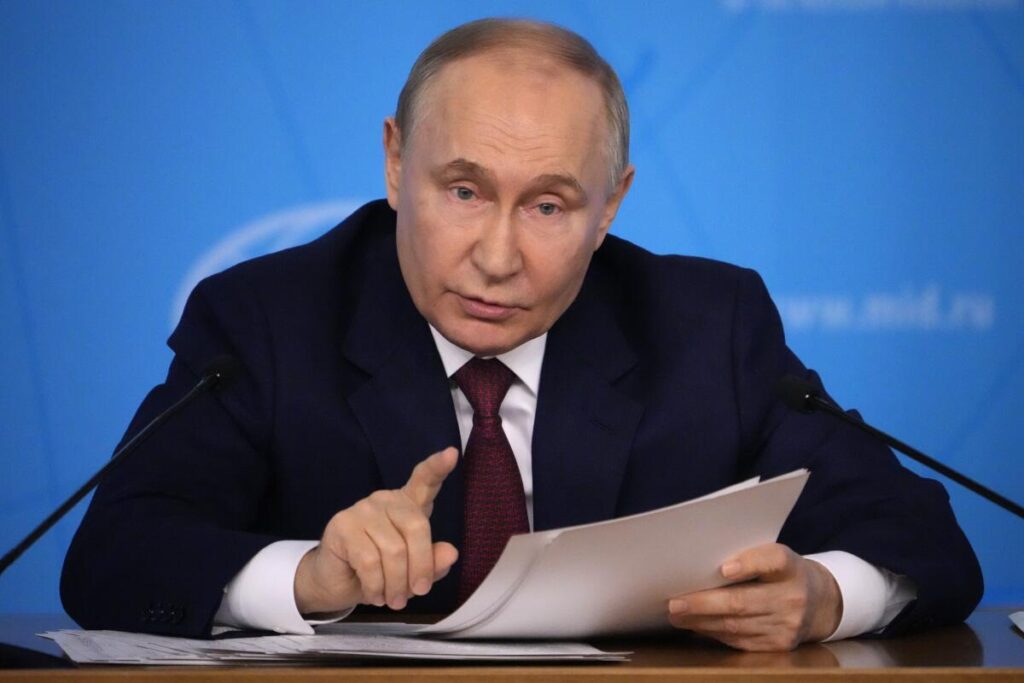
The first snow has not yet fallen over Kyiv, but the chill in the air is already unmistakable. Across Ukraine, families are bracing for a winter that could decide not only the course of the war, but the political fate of President Volodymyr Zelensky. Russia has just rejected his latest desperate ceasefire call, and the message from Moscow is clear. The lights will go out. The heaters will stay cold. And the streets may soon fill with angry citizens who have had enough.
This is not a scene from a dystopian novel. It is the stark reality of a nation on the edge. As the days grow shorter and the temperatures drop, Ukraine is entering the most dangerous phase of the conflict. The war is no longer just about territory or sovereignty. It is about survival, in every sense of the word.

A Ceasefire Rejected
Zelensky’s appeal was simple, almost desperate. He asked Russia to agree to a temporary halt in attacks on energy infrastructure, a humanitarian pause that would allow Ukraine to repair its damaged power plants and keep civilians warm. It was a request born of necessity, not strategy. The Ukrainian president knows that winter is the harshest battlefield, and his country is losing that battle fast.
The Kremlin dismissed the call with cold indifference. Russian officials argued that any ceasefire would only give Ukraine time to regroup and receive more Western weapons. They repeated the familiar refrain that Russia does not negotiate under pressure. But beyond the rhetoric, the message was also deeply strategic. Moscow understands that Ukraine’s energy grid is its Achilles heel, and that a freezing population is a breeding ground for rebellion.

Winter Is Coming, And It Is Brutal
Ukrainian officials have already warned that the coming months will be the most difficult since World War II. Thousands of missile and drone strikes have damaged or destroyed almost half of the country’s energy infrastructure. Blackouts are now a daily reality in many cities. Hospitals are running on generators. Water pumps fail when the power cuts. And with temperatures expected to drop well below freezing, heating outages are not just an inconvenience. They are a matter of survival.
The situation is even worse in frontline towns and villages. Many have been without electricity for weeks. People burn furniture and waste paper to stay warm. Elderly residents huddle together in underground shelters. The state has tried to organize evacuation trains, but many refuse to leave their homes. The result is a humanitarian catastrophe unfolding in silence, away from the front lines but just as deadly.
The Fragile Grid
Ukraine’s power grid was already old and fragile before the war. Now it is barely functioning. The national energy operator has implemented emergency blackout schedules that change without warning. Repair crews work around the clock, but they are under constant threat from drones and missiles. Every time a transformer is fixed, another one is destroyed.
Heating is an even greater challenge. Most Ukrainian cities rely on centralized heating plants that pump hot water through underground pipes. When those plants are hit, entire districts lose heat for days. Repairing the pipes is dangerous and slow. And without electricity, the pumps that circulate the water cannot operate. This creates a vicious cycle that leaves millions of people in cold, dark apartments.
The psychological impact is just as severe. The constant hum of generators and the flicker of candles are reminders that the war is never far away. Children are growing up in a world where darkness is normal. Parents cannot cook proper meals. People are exhausted, not just from the war, but from the simple struggle to stay warm.
A Powder Keg of Social Unrest
History has shown that hunger and cold are the most dangerous enemies of any government. When people are freezing in the dark, they stop caring about patriotic slogans. They start asking why their leaders cannot protect them. In Ukraine, that question is beginning to be asked with increasing anger.
Protests have already broken out in several cities. Residents have blocked roads to demand mobile heating points. Others have stormed local administration buildings. So far, the demonstrations have been small and scattered, but the potential for a nationwide explosion is real. If the winter turns severe and the blackouts continue for weeks, the pressure on Zelensky will become unbearable.
Political analysts are beginning to discuss scenarios that were once unthinkable. The downfall of Zelensky is no longer a fringe idea. It is a quiet topic in diplomatic circles and a hopeful dream for the Kremlin. The Russian strategy appears to be simple. Do not try to defeat Ukraine on the battlefield. Instead, let the cold do the work. Let the electric grid fail. Let the people rise up and remove their president.
The Kremlin’s Gambit
Russia has a long history of using winter as a weapon. It has been used against Napoleon, against Hitler, and now against Ukraine. The tactic is brutally effective because it does not require large armies or massive missile barrages. It only requires patience and a willingness to let nature take its course.
By rejecting Zelensky’s ceasefire, Moscow is signaling that it has no intention of easing the pressure. The strikes on energy infrastructure are not random acts of cruelty. They are a carefully planned campaign designed to break Ukrainian morale and turn the population against its leadership. The Kremlin believes that if it can make daily life unbearable, the Ukrainian people will eventually do what no Russian missile can achieve. They will topple their own government.
There is also a diplomatic dimension to this gambit. By framing its attacks as legitimate military targets, Russia is testing the resolve of the West. If European and American leaders are forced to watch Ukraine freeze, they will face their own domestic pressure to end the war. The cost of supporting Ukraine will rise sharply, and the political appetite for endless aid will shrink.
What Happens Next
The coming weeks will be critical. Ukraine is desperately seeking air defense systems and spare parts for its energy grid. Western governments have promised more support, but promises do not generate heat. The gap between what Ukraine needs and what it receives is widening every day.
Zelensky is walking a tightrope. He cannot be seen as surrendering to Russia, but he also cannot ignore the suffering of his people. His ceasefire offer was an attempt to buy time, but Russia has refused. Now he must prepare his nation for the worst winter in modern memory while trying to fend off both external threats and internal discontent.
The international community faces an uncomfortable choice. It can either help Ukraine survive the winter, or it can watch the country unravel in real time. There is no middle ground. The infrastructure required to keep millions of people warm is not a luxury. It is the difference between stability and chaos.
A Winter of Reckoning
Russia’s rejection of Zelensky’s ceasefire is not just a diplomatic setback. It is a declaration that the war will now be fought on the coldest front of all. The battle will not be decided by tanks or drones alone, but by the strength of a power grid and the patience of a freezing population.
Zelensky’s greatest challenge is not the Russian army. It is the fear and anger of his own people as they sit in darkness. If the electricity and heating shortages continue, social unrest could indeed provoke his downfall. The question is not whether that possibility exists. It is whether the world will do enough to stop it.
The winter is coming, and it promises to be merciless. For Ukraine, the next few months will define not only the outcome of the war, but the survival of its leadership. Russia has made its move. Now the world is watching to see if Ukraine can take the cold.