BRICS Alternatives to Dollar No Longer a Fantasy, Says the Man Who Coined the Term
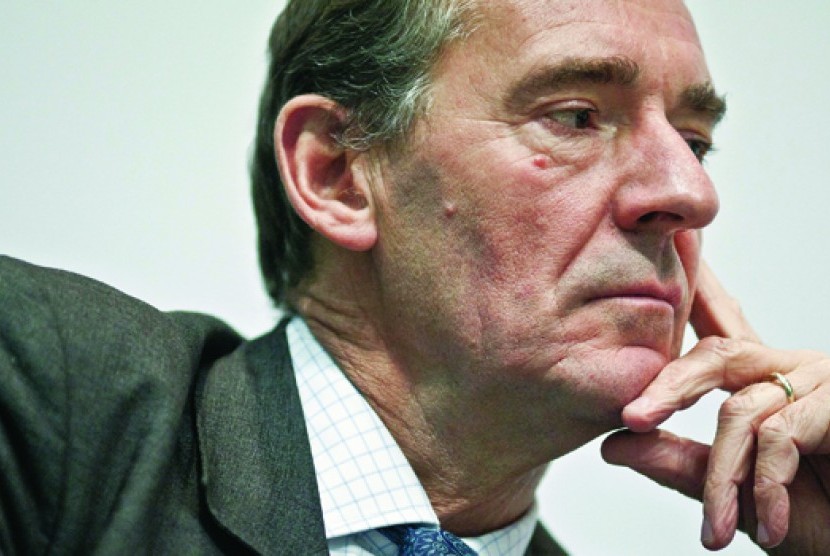
There was a time when the idea of the world moving away from the dollar felt like a distant dream. Economists would wave it off, bankers would smirk, and politicians would change the subject. But today that tune has changed. Jim O’Neill, the very man who coined the term BRICS, has looked at the global economy and said something that would have been unthinkable a decade ago. The idea of BRICS building alternatives to the dollar is no longer a fantasy.

O’Neill sees an opening. Not a crack in the sky, not a sudden collapse, but a real and growing opportunity for BRICS nations to push forward with plans that challenge the old financial order. For years, the global system has rested on the dollar. Countries trade in dollars, borrow in dollars, and save in dollars. The United States has enjoyed the privileges that come with that power. But the world is changing, and the voices calling for something different are getting harder to ignore.
The story of this shift begins with a simple observation. The dollar is strong, but not invincible. The United States has used its currency as a tool of foreign policy. Sanctions have been imposed, assets have been frozen, and nations have been cut off from payment systems. This has created fear, and fear is a powerful motivator. Countries that once felt safe inside the dollar system now wonder if their money is truly theirs. This anxiety has opened a window for BRICS to offer an alternative.
The Man Behind the BRICS Idea
Jim O’Neill is not just any economist. He is the former chief economist at Goldman Sachs, and back in 2001 he coined the acronym BRICS to describe the fast growing economies of Brazil, Russia, India, China, and South Africa. At the time, it was a marketing slogan for investors, a way to draw attention to emerging markets. Nobody thought that these countries would one day form a bloc with ambitions to reshape global finance. But here we are, and O’Neill now speaks about those ambitions with a degree of seriousness that demands attention.
In a recent conversation, O’Neill pointed to the changing atmosphere around the dollar. He did not predict the end of the dollar. He is far too careful for that. But he did say that the idea of alternatives is no longer fantasy. That is a powerful statement coming from someone who has spent his life watching global markets. It signals that the debate has moved from the fringes to the mainstream.
What changed? For one, the world has become more multipolar. The United States remains the largest economy, but its share of global output has shrunk. Meanwhile, China has grown into a superpower. India is on the rise. Brazil and Russia have enormous resources. These countries are no longer content to play by rules that were written decades ago. They want a seat at the table, and they want a system that reflects their weight.

A Shift in Global Sentiment
The sentiment around de dollarization has shifted dramatically. A few years ago, any talk of moving away from the dollar was dismissed as anti American rhetoric. Today, even mainstream financial institutions are publishing reports on the subject. Central banks are buying gold. Countries are signing swap agreements in local currencies. Trade deals are being settled in yuan, rubles, and rupees. None of this means the dollar is about to disappear, but it does mean that the monopoly is over.
The numbers tell the story. According to the International Monetary Fund, the dollar still accounts for around 58 percent of global foreign exchange reserves. That is down from 70 percent two decades ago. The drop is slow, but it is steady. And when you combine that with the rise of digital currencies and new payment platforms, the direction becomes clear. The world is exploring options, and BRICS is at the center of that exploration.
Why the Dollar Is Vulnerable
The dollar has weaknesses that were once overlooked. The United States runs massive budget deficits. It borrows trillions of dollars to fund its spending. This debt is not a problem when the world trusts the American economy, but trust is a fragile thing. If foreign governments begin to doubt the long term value of their dollar holdings, they will look for alternatives. That is exactly what we are seeing.
Another vulnerability is the weaponization of the dollar. When the United States froze the assets of the Russian central bank in 2022, it sent shockwaves through the global financial system. Countries realized that their reserves were not as safe as they thought. If Russia could be cut off, then anyone could be next. This created a powerful incentive to diversify. Even countries that are friendly with the United States began to rethink their dependence on dollar based systems.
There is also the rise of digital finance. Central bank digital currencies, or CBDCs, are being developed by dozens of countries. These digital currencies could make cross border payments faster, cheaper, and more transparent. They could also be designed to bypass the dollar entirely. BRICS countries have shown particular interest in this area. A BRICS digital currency is no longer a far fetched idea. It is a project that could become reality within the next decade.
What BRICS Could Offer
BRICS has a unique opportunity to build a parallel financial system. The bloc includes some of the world’s largest producers of energy, food, and manufactured goods. It represents a huge share of the global population and a significant portion of world GDP. If BRICS nations agree to trade among themselves in their own currencies, they can reduce the need for dollars without waiting for the world to change.
One of the most promising ideas is a BRICS reserve currency. This currency would be backed by a basket of the member countries’ currencies and commodities. It would not seek to replace the dollar overnight. Instead, it would offer an alternative for trade and investment. Over time, it could grow into a credible reserve asset. The idea sounds ambitious, but so did the euro once upon a time.
There are also practical steps that BRICS can take. The New Development Bank, formerly known as the BRICS Development Bank, was created to fund infrastructure projects in emerging markets. It could expand its lending in local currencies. The Contingent Reserve Arrangement could serve as a safety net for countries facing balance of payments crises. These institutions already exist. They just need to be strengthened and expanded.
For the first time in decades, the idea of an alternative to the dollar has moved from the classroom to the conference room. Finance ministers discuss it. Central bankers study it. Investors pay attention to it. The psychology of the market has started to shift. When people believe that change is possible, they begin to act on that belief. They hedge. They diversify. They open new accounts and sign new contracts. This behavior does not destroy the dollar overnight, but it erodes its dominance one small decision at a time.
The Road Ahead
The road ahead is not simple. The dollar has deep roots. It is supported by the vast depth of American financial markets, the strength of American institutions, and the sheer size of the American economy. No alternative can match that overnight. But the direction of travel matters more than the speed. And right now, the direction is toward a more diversified global system.
There is also the role of technology. The global financial system is being rebuilt on digital rails. Faster cross border payments, smart contracts, and blockchain based settlement systems are no longer science fiction. BRICS countries have a chance to be leaders in this new infrastructure. If they can build a reliable and inclusive payment network, they can offer the world something that the current system does not. They can offer choice.
Jim O’Neill’s words should not be read as a prediction of doom. They should be read as a recognition that the world is changing. The question is no longer whether BRICS can challenge the dollar. It is whether the bloc can deliver on its promises. That requires coordination, trust, and a shared vision among countries that have different political systems and sometimes conflicting interests.
Challenges and Realities
There are plenty of challenges. India and China have a complicated relationship. Brazil and Russia are dealing with very different economic conditions. South Africa is far smaller than the other members. Getting all of them to agree on a common currency or a common payment system will be difficult. There are also questions about economic stability. For a currency to be trusted, it must be backed by sound monetary policy. Some BRICS countries have a history of inflation and currency volatility. That will not change overnight.
There is also the question of the dollar’s endurance. Even if the dollar loses some share of global reserves, it will remain the dominant currency for years to come. The United States has enormous advantages. Wall Street is still the center of global finance. The dollar is still the default currency for commodities like oil. The American military and diplomatic network still gives the dollar a political foundation that no other currency has.
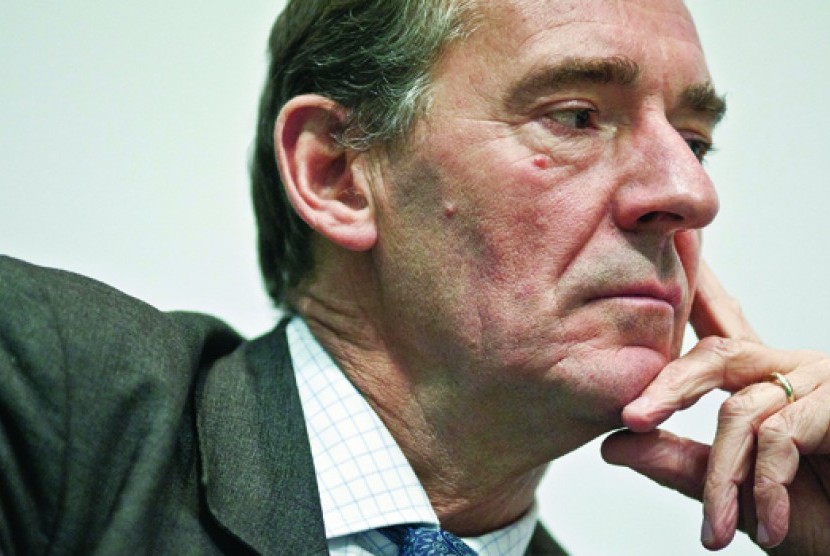
But the conversation is different now. It is no longer embarrassing to ask whether the dollar could be replaced. It is no longer radical to suggest that BRICS might create its own payment system. The fact that Jim O’Neill, a mainstream insider, is saying these things out loud is a sign of how far the debate has come.
A New Economic Story
This is not just a story about currency. It is a story about power. For eight decades, the dollar has been a symbol of American dominance. The global financial system was built by the United States and its allies. It reflects their values, their laws, and their interests. But the world has moved on. Emerging economies want a system that is fairer and more representative. They want to be able to trade without fear of sanctions. They want to hold reserves that will not be frozen by a distant government.
BRICS is not a perfect vehicle for these aspirations. It is loose, diverse, and sometimes divided. But it is the only vehicle that exists. And now, with support from people like Jim O’Neill, the idea of a real alternative to the dollar has crossed a threshold. It has become a practical possibility. That does not mean it will happen easily. But it means it can happen, and that is enough to change the global conversation.
The opening is there. The question is what BRICS does with it. The world is watching, and for the first time in a long time, the future of money is not a fixed story. It is being written right now. And the dollar, for all its strength, is no longer the only chapter.