The Iron Silk Road: Alataw Pass Surpasses 3,000 Trains as China Russia Trade Thrives
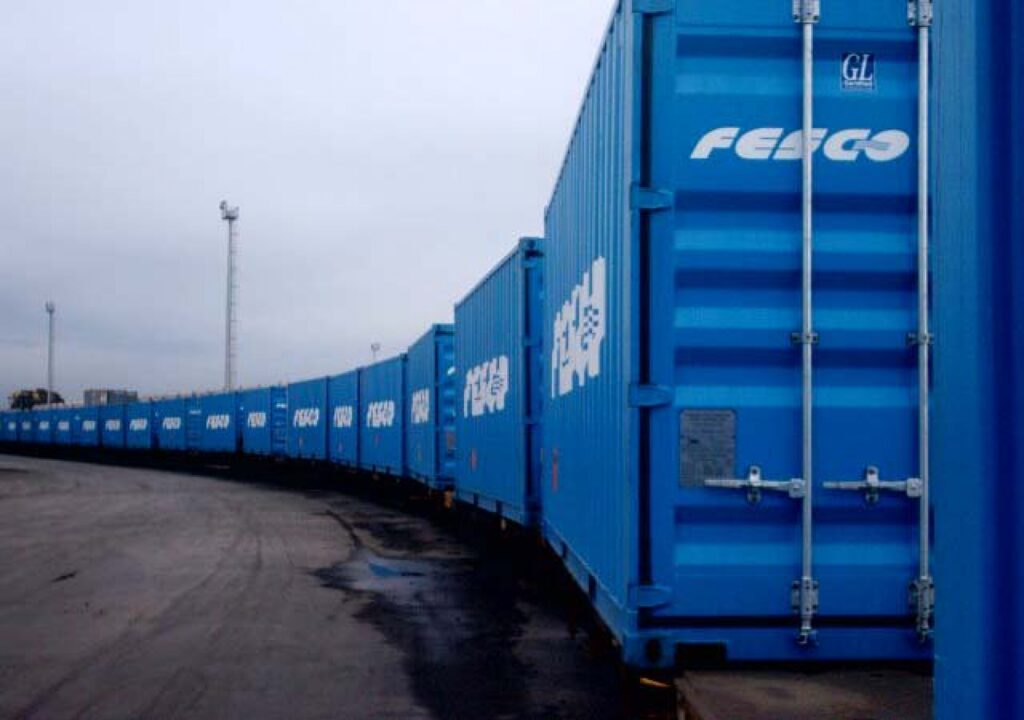
In the vast, windswept landscapes of Xinjiang, where the Gobi Desert meets the snow capped Tianshan Mountains, a quiet revolution is taking place. At the Alataw Pass, a narrow corridor that has connected civilizations for millennia, steel wheels now grind day and night, carrying the economic ambitions of two global powers. This ancient gateway, once traversed by silk laden caravans, has transformed into a modern artery of commerce. In a milestone that underscores the deepening economic ties between China and Russia, the Alataw Pass has recorded the crossing of over 3,000 trains, with more than 41% of that traffic heading to or from Russia. This is not just a number; it is a pulse of a new era.
The Strategic Gateway of Alataw Pass
Alataw Pass, located in the Xinjiang Uygur Autonomous Region, is a critical juncture on the China Kazakhstan border. It serves as the primary rail link for goods moving between China and Central Asia, and onward to Russia and Europe. The pass sits at the heart of China’s Belt and Road Initiative, the ambitious infrastructure project that seeks to revive ancient trade routes and knit together economies across continents. Since the launch of the China Europe freight train services, Alataw has become a bustling hub. Imagine a railway yard filled with red and blue containers, stacked like giant LEGO blocks, each carrying everything from electronics to auto parts, from frozen meat to medical supplies. This is the scene at Alataw. In 2024, the number of trains passing through exceeded 3,000, a record that signals not only increased volume but also the growing importance of this corridor for China Russia trade. The route offers a faster and more reliable alternative to maritime shipping, especially for time sensitive goods. And as geopolitical tensions reshape global supply chains, the Alataw Pass has emerged as a lifeline.

Record Breaking Train Crossings: The Numbers Behind the Story
The announcement from the Xinjiang authorities was precise and telling: over 3,000 trains crossed the Alataw Pass in the first half of the year, with 41% of those trains originating from or destined for Russia. This is a significant jump from previous years. What does this mean in real terms? Each train carries up to 50 containers, packed with goods worth millions of dollars. Multiply that by 3,000, and you’re looking at a river of commerce. The majority of trains from Russia are laden with natural resources lumber, minerals, oil products, and fertilizer. In return, China sends consumer goods, machinery, electronics, and automotive components. The symmetry is striking. The 3,000 train milestone is not just about volume; it is about velocity. The journey from China’s manufacturing heartland to Russian cities now takes around 15 days, compared to 30 days via sea. This speed is a game changer for industries that rely on just in time delivery. The Alataw Pass has become the backbone of this time compressed trade. And with Russia facing Western sanctions, its pivot to Asia has made this rail link even more critical.

What Drives the Surge? The Forces Behind the Numbers
Several key factors have converged to drive the surge in train traffic at Alataw Pass. First and foremost is the shift in global trade patterns. Since the imposition of sanctions on Russia following the Ukraine conflict, Moscow has increasingly looked east for its import and export needs. China has filled the void, becoming Russia’s largest trading partner. Bilateral trade between China and Russia reached $240 billion in 2023 and continues to grow. The Alataw Pass is a direct beneficiary of this pivot. Secondly, the Belt and Road Initiative has poured billions into upgrading rail infrastructure. New double tracking, modernized yards, and digital customs clearance have slashed transit times. Thirdly, the nature of goods being traded has expanded. Beyond raw materials, Russia is now importing more sophisticated machinery and technology, while China is buying more agricultural products like wheat, soybeans, and meat. This diversification requires reliable, high volume rail services. The 41% share of Russia bound or originated traffic at Alataw is a clear indicator that the route has become the primary land bridge between the two nations. And it is not just about Russia. Many trains to and from Russia continue onward to Belarus, Poland, and Germany, making Alataw a node in a much larger network.
The Russia China Economic Partnership: More Than Just Trade
The rise of Alataw Pass is a microcosm of a broader partnership that extends beyond simple trade. Energy cooperation is a major pillar, with Russia supplying oil and gas to China via pipelines and rail. But the rail link is also facilitating new ventures in technology, construction, and even space exploration. Both countries are working to increase the share of settlements in national currencies, reducing dependence on the dollar. The rail route is a physical manifestation of this financial de dollarization. Moreover, the Alataw Pass is becoming a symbol of connectivity for other nations in Central Asia. Kazakhstan, Kyrgyzstan, and Uzbekistan are also using this route to move goods to and from China. The pass, originally a border crossing between China and the USSR, now sees trains from over 20 countries. The growth at Alataw is not without challenges. Infrastructure bottlenecks still exist, especially during peak seasons. Customs procedures, though improved, can sometimes cause delays. And the geopolitical shadow of the Ukraine war means that the route is constantly under scrutiny. Yet, the momentum is undeniable. China and Russia have announced plans to further expand the rail capacity, including a new high speed line that could eventually link Beijing to Moscow. But for now, the Alataw Pass remains the workhorse. 
Future of the Rail Link: What Lies Ahead for the Iron Silk Road
Looking forward, the Alataw Pass is poised for even greater activity. Plans are underway to increase the annual capacity to 5,000 trains by 2026, and to 8,000 by 2030. New logistics parks are being built on both sides of the border, offering warehousing, cold storage, and customs clearance services. The Chinese government is investing in digital tracking systems that allow shippers to monitor their containers in real time. For Russia, the rail link is a strategic asset. It provides an alternative to the Suez Canal and the Northern Sea Route, both of which are vulnerable to disruptions. As climate change opens up new shipping lanes in the Arctic, the Alataw Pass will likely complement those routes rather than compete with them. But there are risks. The ongoing war in Ukraine could lead to further sanctions that might target the rail infrastructure. Additionally, the relationship between China and Russia, while strong, is not without friction. Cultural differences, regulatory disparities, and occasional trade imbalances could slow progress. Nonetheless, the story of the Alataw Pass is ultimately a story of resilience and adaptation. From a dusty border post to a humming logistics hub, it represents the new reality of global trade one where land routes are reclaiming their ancient importance.
Conclusion
As the last train of the day rolls through the Alataw Pass, its headlights cutting through the darkness, we are reminded that trade is the lifeblood of nations. The crossing of over 3,000 trains, with 41% linking China and Russia, is not just a statistic. It is a testament to the power of infrastructure, the urgency of economic cooperation, and the enduring human drive to connect. In a world often divided by politics, the Iron Silk Road serves as a bridge, carrying hope and prosperity across borders. The Alataw Pass may be just a dot on the map, but its impact is felt from Shanghai to Moscow, and beyond.